



Edwardian Inlaid Dresser
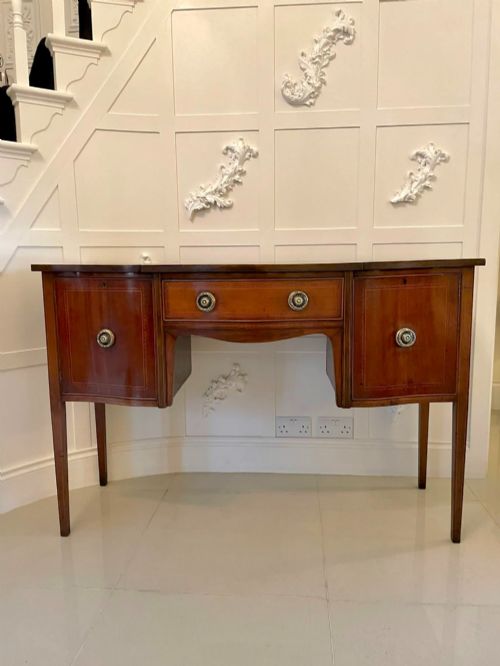
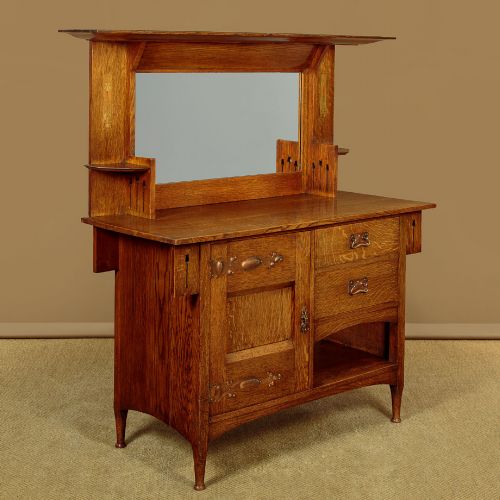
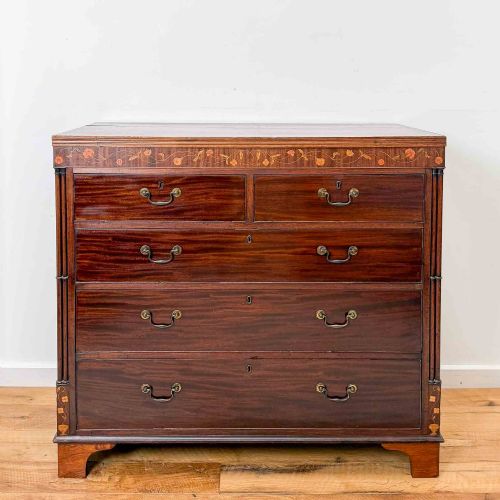
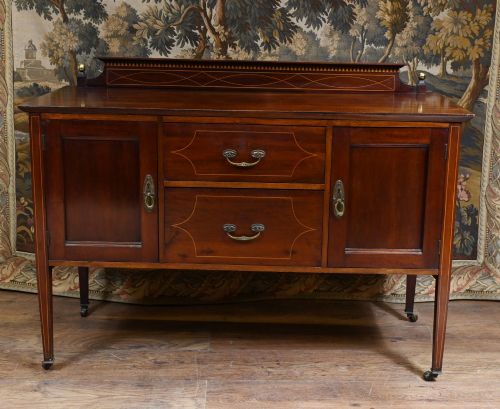
An edwardian inlaid dresser combines practical storage with delicate contrasting woodwork, bringing refined period character to a hallway or dining room.
Edwardian Inlaid Dresser
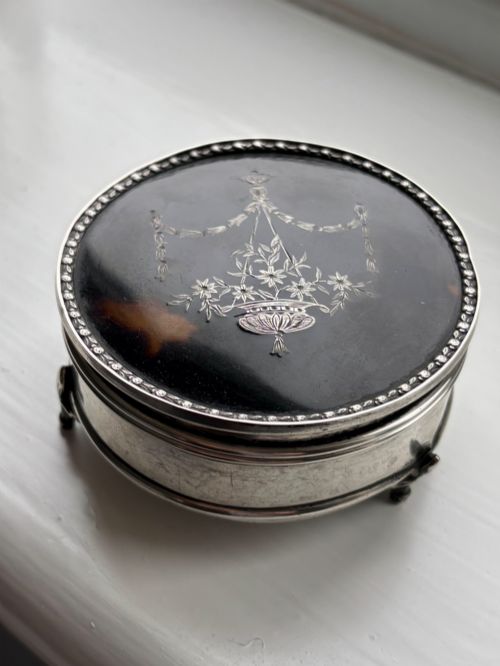
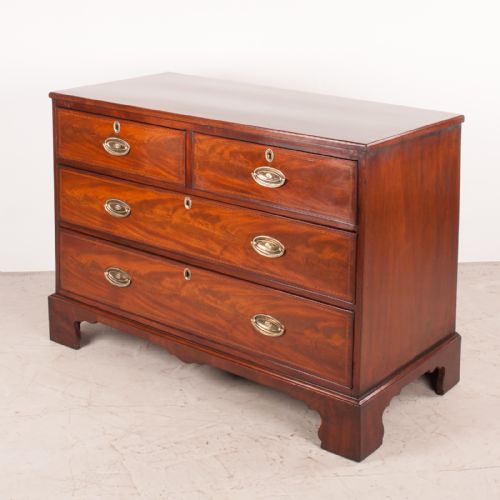
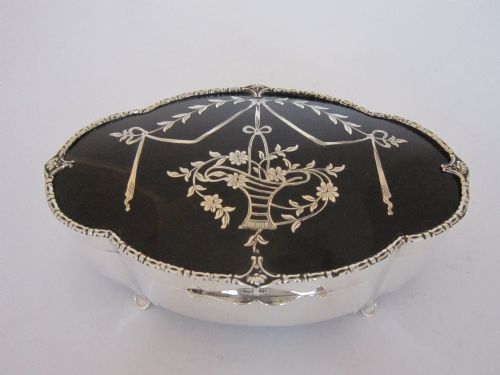
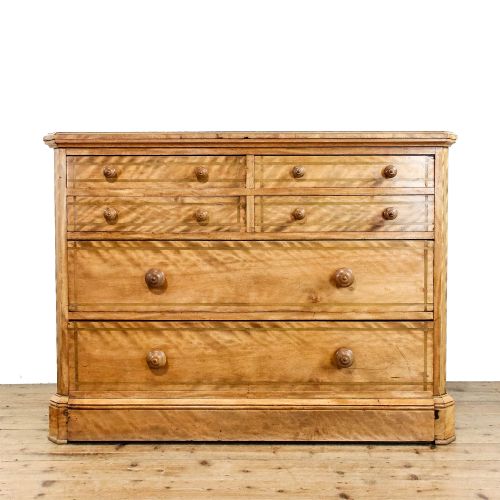
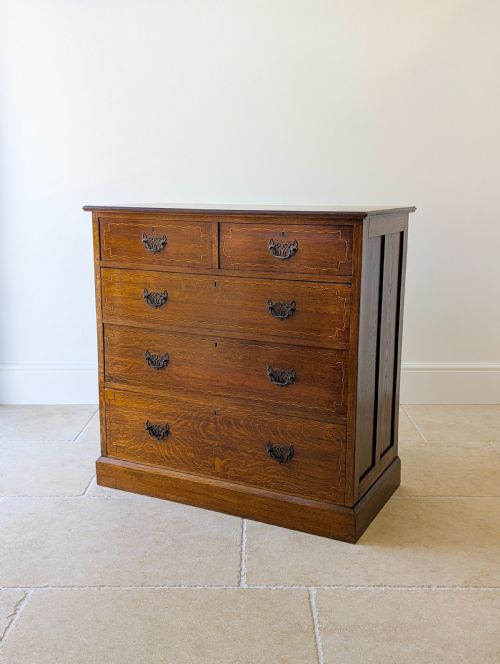
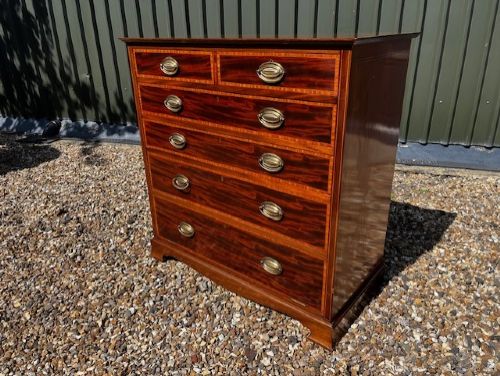
The versions most commonly met on this page date from the Edwardian period and the surrounding decades, utilising classic forms such as bow fronts and serpentine shapes. Alongside traditional sideboards, you will find tallboys, dressing table boxes, and side cabinets originating from overlapping eras including the Victorian and Georgian periods.
How They Were Made
Cabinet makers constructed these pieces using a foundation of solid hardwoods like mahogany and oak, frequently paired with satinwood and rosewood veneers for exterior surfaces. Structural stability relied on traditional joinery techniques suited to large case pieces and sideboards.
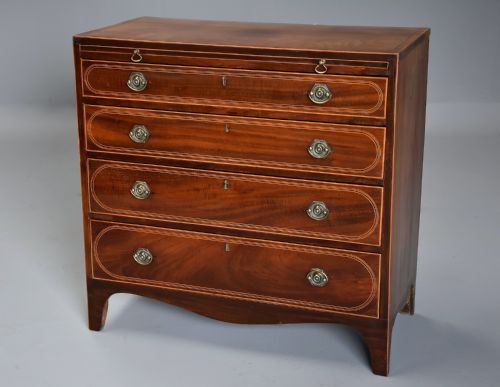
Decorative detailing was achieved through contrasting wood inlays, incorporating boxwood and satinwood inlay elements to create geometric or floral patterns. Brass handles and glass panels also appear across the inventory to complete the fitted appearance.
Secretarial desks hiding inside chests of drawers let you write love letters without leaving your socks.
What Varies in Quality
The standard of timber selection and veneer matching defines the upper tier of these pieces, where grain patterns flow harmoniously across multiple drawers and doors. Lesser examples rely on simpler wood cuts with less attention to symmetrical arrangement.
Precision in the inlay work separates ordinary pieces from superior examples, with finer items displaying crisp, tightly fitted boxwood and satinwood lines without gaps or filler. The execution of serpentine or bow fronts also demands advanced woodworking skill that elevates the stature of the finished cabinet.
Druce and Co·Ollivant and Botsford·Shapland and Petter
The Edwardian Inlaid Dresser Glossary
- Inlay
- A decorative technique where small pieces of contrasting timber are inserted into recesses in the wood surface to form patterns. Boxwood and satinwood are frequently utilised for this purpose.
- Serpentine
- A furniture front shape that curves outward in the centre and inward at the sides. This contour requires precise carpentry to execute properly.
- Bow Front
- A convex, outwardly curved front profile typical of many chests of drawers and sideboards from the period. It softens the linear appearance of heavy storage furniture.
- Tallboy
- A tall chest of drawers, often constructed in two stacked sections to maximise vertical storage capacity. They appear in both mahogany and satinwood finishes.
- Caddy Top
- A raised, moulded edge design found on the top surface of fine chests of drawers. This detail provides a finished architectural border to the piece.
Edwardian Inlaid Dresser: Frequently Asked Questions
What is an edwardian inlaid dresser?
An edwardian inlaid dresser generally refers to a sideboard, server, or large chest of drawers produced in the early twentieth century featuring decorative wood inlays. These items combine everyday storage utility with the refined aesthetic typical of the Edwardian era.
While the term dresser often implies a kitchen plate rack, the pieces found under this heading are principally dining room sideboards and polished mahogany storage chests designed for display and containment.
How do I identify an edwardian piece?
Edwardian pieces typically exhibit lighter timber tones, refined proportions, and Sheraton or Hepplewhite revival stylistic influences. Look for satinwood inlay details, brass hardware, and a general move away from heavy Victorian dark woods.
Examination of the secondary woods inside the drawers and the style of construction also helps confirm the manufacturing era, usually spanning from the late nineteenth century up to the First World War.
Where should I place a sideboard?
Sideboards are traditionally placed in dining rooms or large hallways to store tableware, linens, and serving pieces while offering a surface for display. Their finished backs and detailed cabinetry make them suitable for positioning against prominent walls.
In modern interiors, these cabinets also function effectively in living rooms or studies as media consoles or general storage credenzas.
How do I care for inlaid wood?
Inlaid furniture requires careful maintenance to protect both the polished surface and the delicate contrasting woods used in the patterns. Keep pieces away from direct sunlight and excessive heat sources to prevent the veneers and boxwood lines from drying out.
Routine dusting with a soft, dry cloth is usually sufficient, supplemented occasionally by quality beeswax formulated for antique wood surfaces.