




Edwardian Indoor Planter
An edwardian indoor planter brings the garden into the parlour with gleaming metal and fine timbers.
Edwardian Indoor Planter
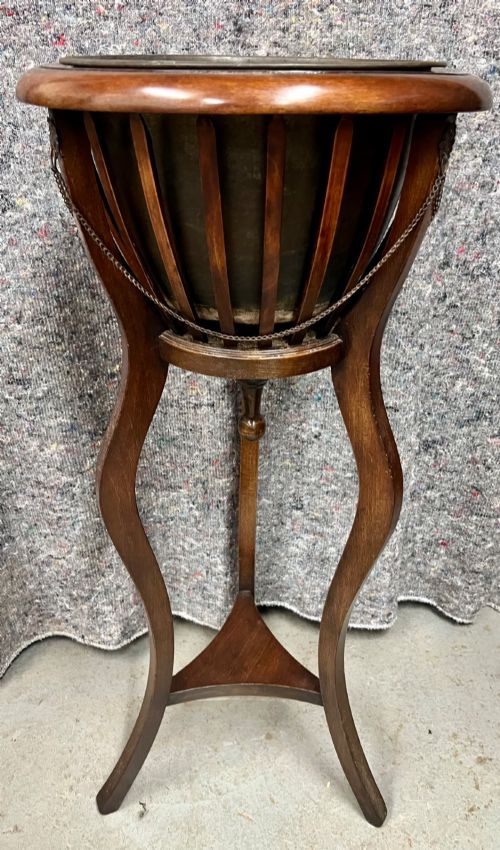
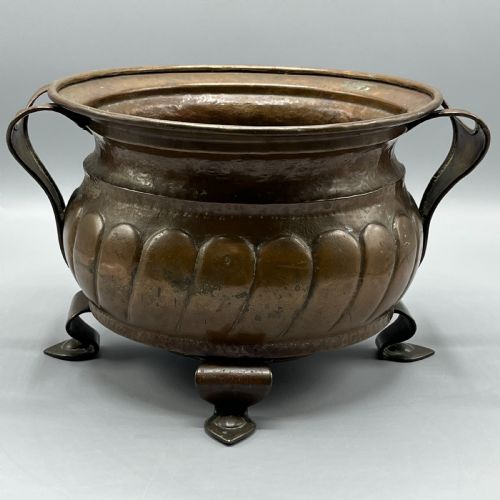
An edwardian indoor planter serves as a vessel to display potted ferns and blooms within the home. The form spans freestanding plant stands, jardiniere tables, and heavy metal pots designed to sit upon the floor or furniture.
Most examples found here date from the Edwardian period or adopt the aesthetic of the early twentieth century, alongside earlier Victorian and Georgian pieces. Makers utilised various designations such as jardiniere, plant stand, and planter stand for these domestic furnishings.
Tall stands elevate the greenery to eye level, whilst heavy metal bowls provide a stable waterproof recess for potted plants. The style reflects a domestic desire to incorporate botanical life into interior spaces.
Materials and Construction
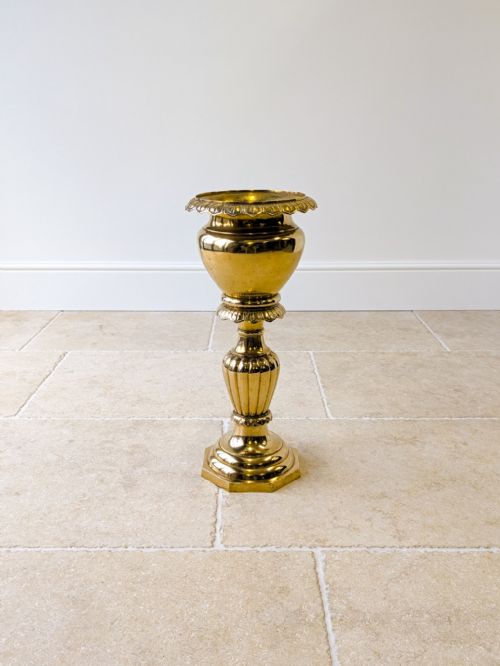
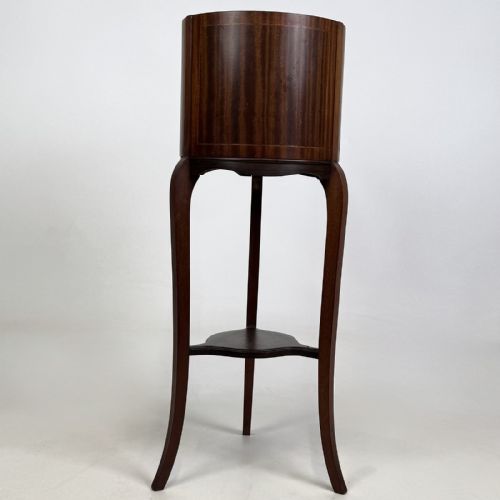
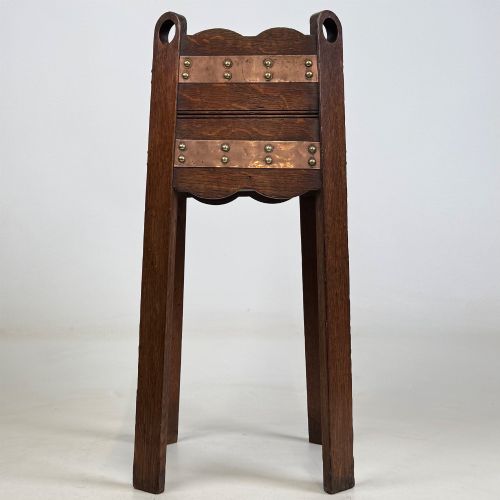
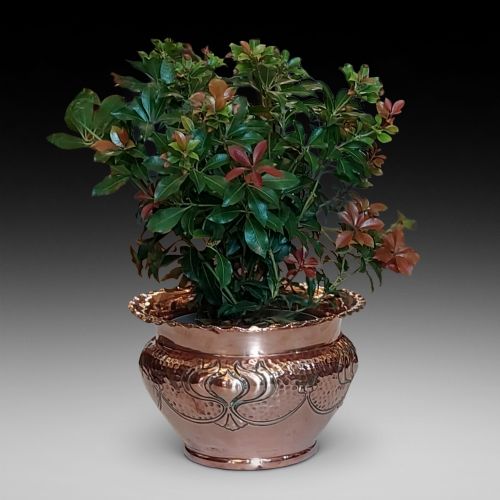
Craftsmen built timber stands from mahogany, satinwood, oak, and burr walnut, frequently employing delicate stringing and inlay. Metal planters utilise hammered solid copper, spun brass, and cast ormolu mounts to create durable waterproof chambers.
Some wooden stands incorporate coopered barrel construction with brass hoops, whilst others employ wrought iron supports for heavy metal bowls. Joinery ranges from cabriole legs on refined tables to robust riveted seams on Arts and Crafts metalwork.
Edwardian Indoor Planter Retail Price Guide 2026
Typical asking prices for edwardian indoor planter among the pieces listed under this phrase on Sellingantiques today, from the lower quarter to the upper quarter. They describe what is for sale here now, not the wider market.
Listings combine Edwardian and Victorian periods with earlier Georgian examples, utilising brass, copper, mahogany, and satinwood.
Assessing Quality
Quality rests upon the weight of the metal and the selection of timber veneers. Solid copper vessels with deep hand-hammering and substantial handles demonstrate superior manufacture compared to thin pressed sheet metal.
Timber examples distinguish themselves through crisp inlay work, select grain patterns in the satinwood or mahogany, and sturdy structural framing that bears the heavy weight of wet soil safely.
The Edwardian Indoor Planter Glossary
- Jardiniere
- An ornamental pot or stand for holding plants or flowers, usually manufactured from ceramic, brass, or copper. This French term appears frequently in period descriptions.
- Ormolu
- Gilded bronze mounts applied to furniture and decorative items to provide bright metallic highlights. The technique was favoured on refined satinwood pieces.
- Coopered
- Made with staves of wood bound together by metal hoops, much like a traditional barrel. This method suits oak planters designed to hold damp earth.
- Cabriole
- A furniture leg that curves outward at the knee and tapers inward toward the foot in an imitation of an animal limb. It is common on Edwardian mahogany stands.
- Inlay
- A technique where contrasting woods or materials are set into the surface of a primary timber to create decorative patterns. Satinwood stands often display delicate floral motifs.
Edwardian Indoor Planter: Frequently Asked Questions
What is an edwardian indoor planter?
An edwardian indoor planter is a decorative vessel or stand designed to hold potted plants inside a domestic room.
They appear as tall wooden plant stands with small receptacles or as heavy metal bowls intended to protect interior surfaces from water.
How were these planters used?
Households used them to display ferns, palms, and flowering plants in reception rooms and parlours.
The stands elevated the greenery whilst the metal liners caught drainage water from the pots.
How do I care for the metal liners?
Copper and brass vessels benefit from gentle cleaning to maintain their warm metallic sheen without stripping historic patination.
Using a plastic insert inside the original metal bowl prevents moisture from causing further corrosion over time.
How do I distinguish Edwardian from Victorian pieces?
Edwardian pieces often display lighter satinwood timbers and simpler inlaid motifs influenced by Art Nouveau and Arts and Crafts movements.
Victorian examples tend towards heavier carved mahogany, darker burr walnut, and more ornate Gothic or historic revival styling.