



Edwardian Horse Painting
An edwardian horse painting captures the spirit of the era through thoroughbreds, hunters, and coaching scenes rendered in oil or watercolour.
Edwardian Horse Painting
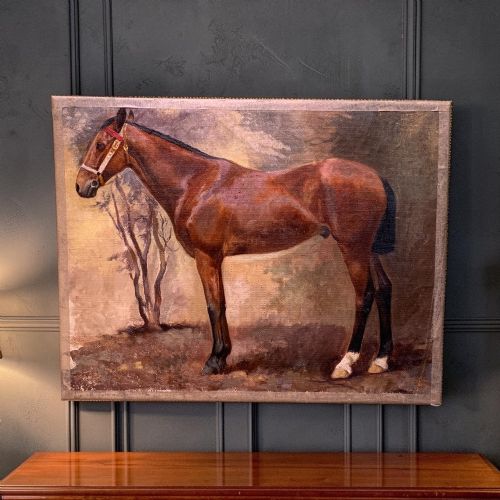
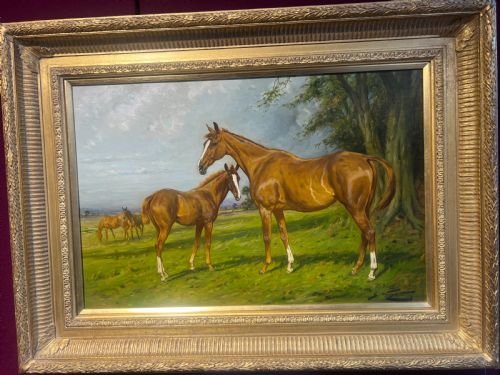
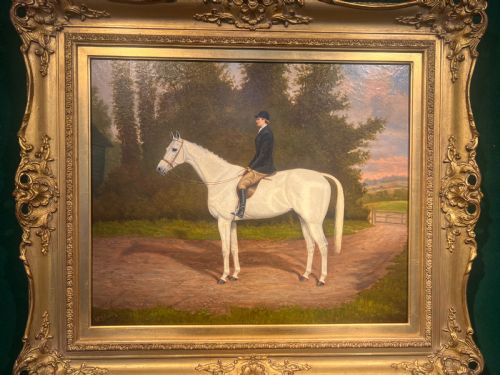
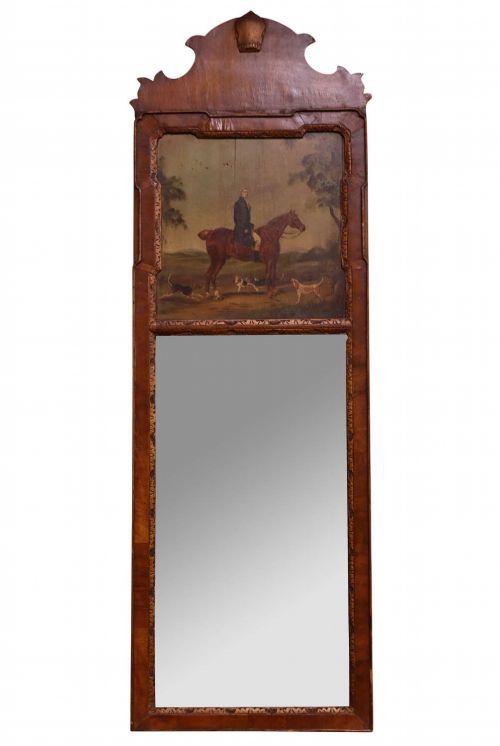
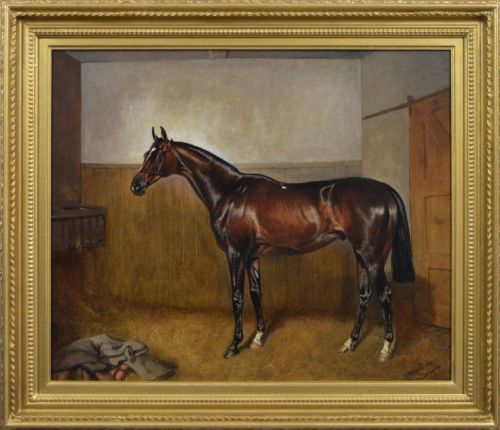
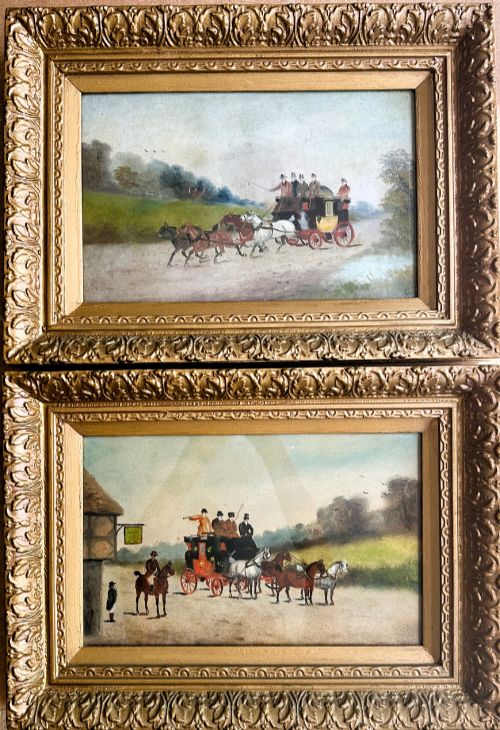
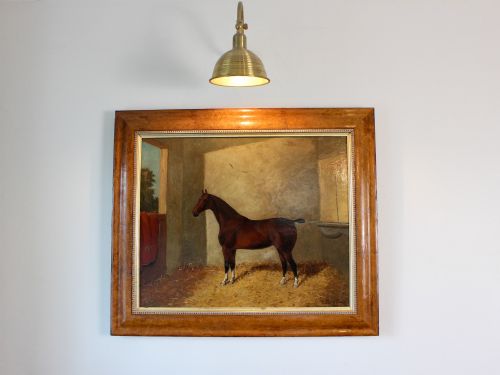
An edwardian horse painting represents the prominent equine subjects of the period, ranging from named racehorses and stable portraits to dynamic coaching and hunting scenes. These works appear primarily as oil paintings on canvas or delicate watercolours on paper, framed to suit domestic display.
The selections span British sporting art and pastoral compositions, capturing animals with specific anatomical observation. Buyers encounter both signed works by known sporting artists and atmospheric pieces from the early twentieth-century English school.
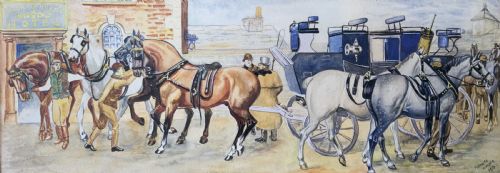
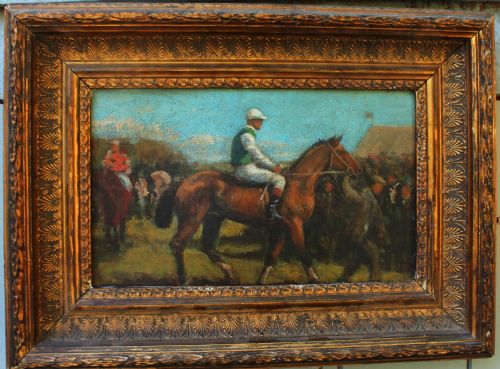
Many of these paintings place the animal firmly within a narrative context, such as a race paddock, a stable interior, or a bustling street scene. The resulting pieces reflect a society deeply connected to equestrian pursuits, from royal thoroughbreds to working farm horses.
How they were made
Artists utilised oil paint on canvas to build rich, textured coats and deep backgrounds, whilst watercolour on paper provided swift, transparent washes for atmospheric street and rural views. These traditional media were applied with careful attention to the light on hide and muscle.
Wooden frames, often original to the period, house these works, sometimes complemented by glass protection for watercolours. The construction of the canvas supports and frames reflects standard framing practices of the early twentieth century.
Edwardian Horse Painting Retail Price Guide 2026
Typical asking prices for edwardian horse painting among the pieces listed under this phrase on Sellingantiques today, from the lower quarter to the upper quarter. They describe what is for sale here now, not the wider market.
Horses share the spotlight here with royal thoroughbreds, stagecoach hounds, and even a casual cab ride through Paris.
What varies in quality
The distinction in quality rests upon the artist's command of equine anatomy, movement, and proportion. Superior works capture the precise muscle tension and individual character of a specific horse rather than a generic outline.
Composition and handling of light also divide the accomplished pieces from standard decorative works. A master hand manages the balance between the animal subject and its landscape or stable setting with confident brushwork.
George Wright·William Albert Clarke·John Alfred Wheeler·Philip Rideout·Albert Ludovici Jnr·Alfred Munnings·William Manners·King Edward VII·John Sanderson Wells·James William Booth·Charles James Lauder·Edith Alice Simkins·John Atkinson·Alfred Grenfell Haigh·Arthur Winter Shaw·Robert Hollands Walker·Basil Bradley
The Edwardian Horse Painting Glossary
- Oil on Canvas
- A painting medium where pigments are bound with drying oils and applied to a stretched fabric surface. This technique allows for deep colour blending and tactile texture.
- Watercolour
- A paint consisting of colour pigments suspended in a water-soluble vehicle, typically applied to paper. It yields translucent washes that capture natural light effectively.
- British Sporting Art
- A genre dedicated to the depiction of horses, hounds, shooting, and rural sports. It reflects the cultural importance of field sports in British history.
- Provenance
- The documented history of ownership of an artwork. A clear record adds context and authenticity to a historical piece.
- Equestrian
- Pertaining to horses and horseback riding. In art, it denotes any subject where the horse is the primary focus.
Edwardian Horse Painting: Frequently Asked Questions
What subjects do these paintings feature?
These works primarily depict named racehorses, hunters in stables, coaching teams, and rural horse fairs.
Artists also placed horses into broader pastoral landscapes and busy street scenes characteristic of the era.
Are these paintings signed by artists?
Many pieces feature visible signatures or attributions to notable British sporting painters of the period.
Others belong to the broader English school and remain unsigned whilst retaining strong stylistic markers.
How should I frame a watercolour painting?
Watercolours require framing behind glass with acid-free mounts to protect the paper from moisture and light damage.
Original period frames should be retained where possible to preserve the historical integrity of the piece.
What is British sporting art?
British sporting art is a specialised genre focusing on horses, hounds, field sports, and equestrian life.
It gained immense popularity during the Victorian and Edwardian periods for documenting prized animals and rural traditions.