


Edwardian Gold Target Ring
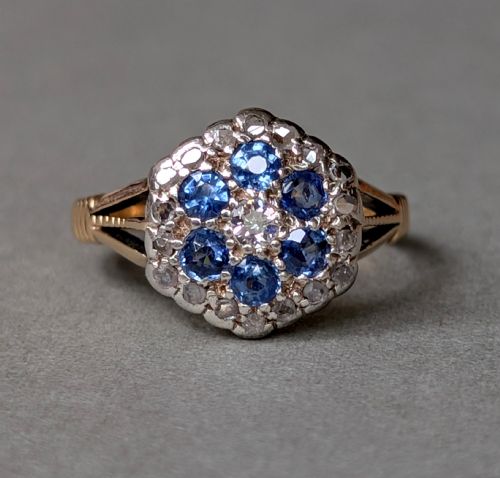
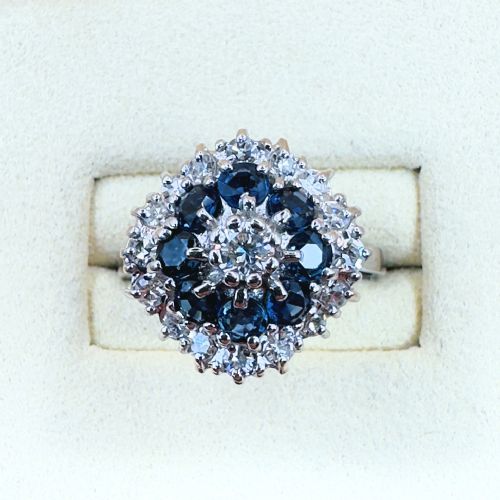
An edwardian gold target ring is a concentric concentric cluster jewel built around a central gem, offering geometric brilliance that commands the hand.
Edwardian Gold Target Ring
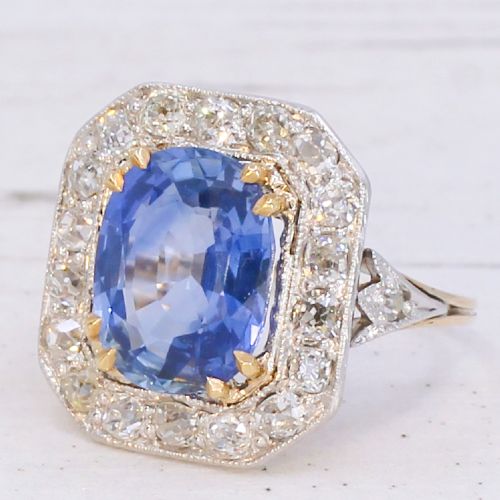
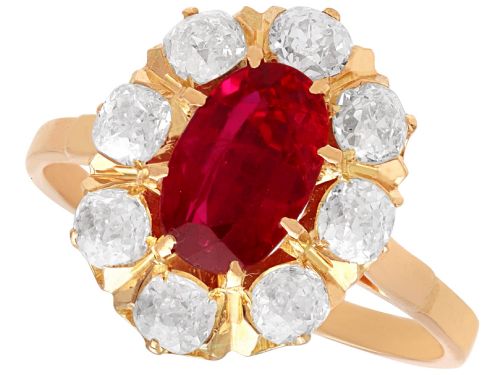
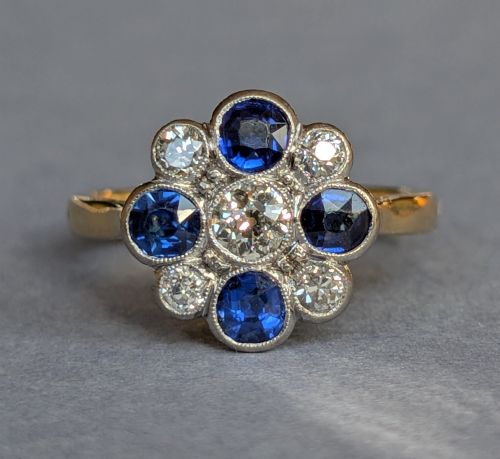
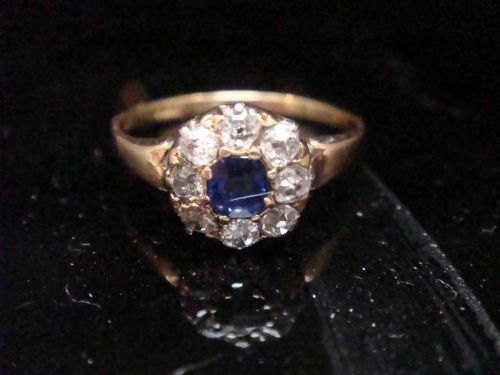
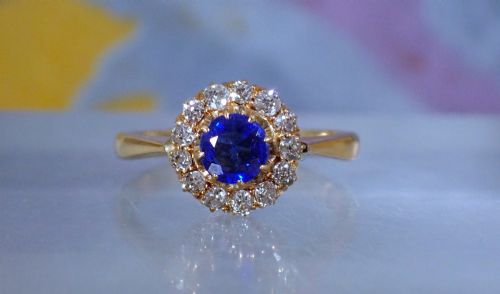
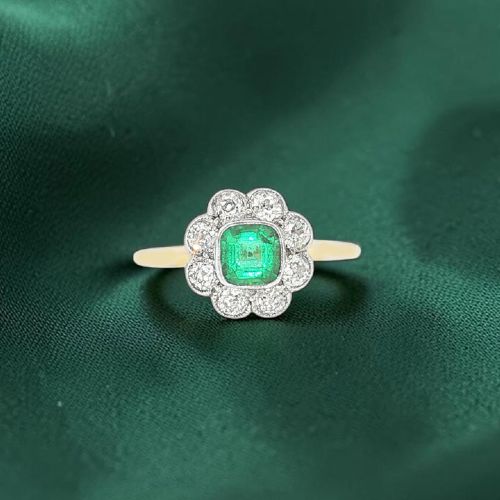
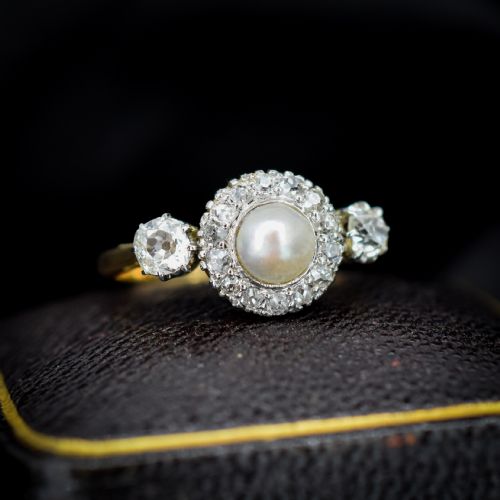
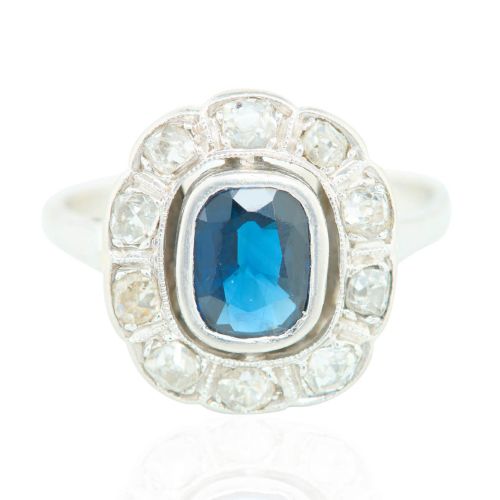
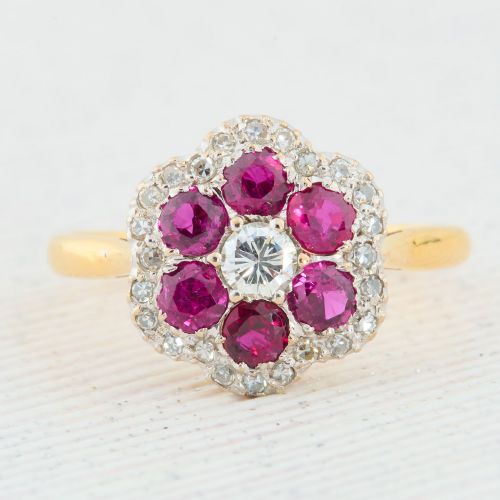
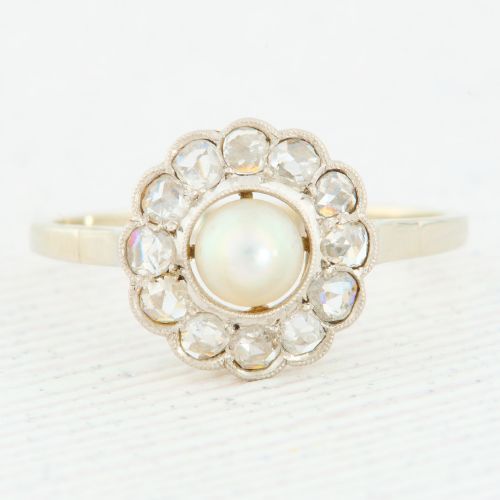
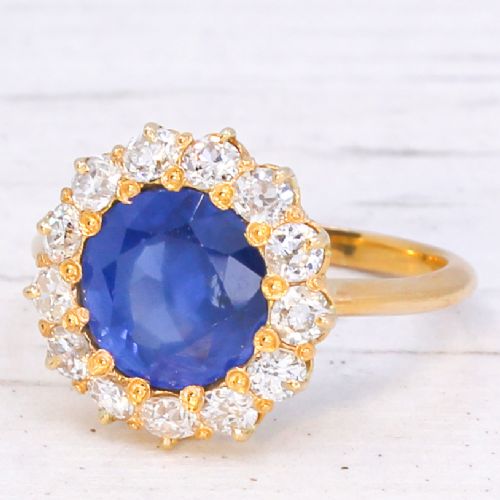
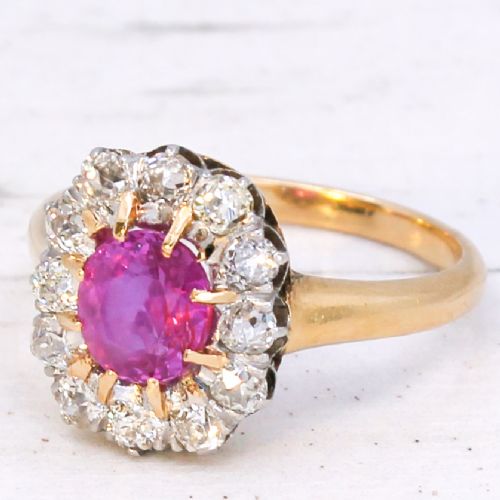
An edwardian gold target ring is a low-profile concentric jewel designed to present a central stone framed by successive rings of contrasting gems. The form centres on a bright gem, most often a diamond or sapphire, set within geometric tiers that create the bullseye visual effect from which the style takes its name.
The selections span the Edwardian period through to later Art Deco revivals, utilising yellow gold, white gold, and platinum settings. Most pieces display floral daisy motifs or clean circular tiers that sit flat against the finger for everyday wear.
Materials and Construction
The foundational structures rely predominantly on 18ct yellow gold or 18ct white gold, frequently paired with platinum settings to securely hold small pavé or bead-set diamonds. This mixed-metal approach maximised the perceived whiteness of the diamonds whilst retaining the warm glow of traditional gold bands.
Gems were hand-cut utilising old mine cuts, old European cuts, or precise calibre cuts to fit tightly into geometric concentric channels. Master jewellers balanced durability with delicate openwork galleries to let light pass beneath the stone tiers.
Materials recorded across current inventory include 18ct yellow gold, 18ct white gold, platinum, diamonds, sapphires, pearls, and rubies.
Quality Variations
The distinction between tiers rests upon the precision of the concentric alignment and the matching of the calibré or surrounding stones. Superior examples demonstrate tight, uniform spacing between the central gem and its outer rings without visible solder or uneven gaps.
The choice of central gemstone dictates upper tiers, particularly when unheated Burmese or Ceylon sapphires or high-clarity old cut diamonds are involved. Metalwork crispness, such as finely milled millegrain edges, separates standard production from exceptional jewellers' output.
The Edwardian Gold Target Ring Glossary
- Target ring
- A concentric cluster ring featuring a central stone surrounded by one or more contrasting rings of gems. The geometric layers resemble a shooting target.
- Old cut diamond
- A hand-faceted diamond cut before modern machine standards were established. It displays a smaller table, higher crown, and broad facets that catch candle or gas light.
- Calibre cut
- Gemstones specifically shaped, often square or rectangular, to fit tightly into a continuous geometric channel or border. This technique defined the precision of early twentieth-century jewellery.
- Millegrain
- A decorative technique consisting of a fine line of tiny raised metal beads along the edge of a setting. It adds a soft texture typical of Edwardian and Art Deco design.
- Daisy cluster
- A floral cluster ring configuration where rounded petals surround a central round stone. The arrangement mimics the organic form of a field flower.
Edwardian Gold Target Ring: Frequently Asked Questions
What is a target ring?
A target ring is a cluster ring featuring a circular design with a central stone encircled by one or more rings of contrasting gems. The concentric layout creates a striking bullseye pattern on the finger.
This geometry became popular during the Edwardian era and evolved into the sharper lines of the Art Deco period. These rings were engineered to sit low while maximising surface brilliance.
How do I date an Edwardian ring?
Dating relies on material combinations, gemstone cuts, and structural motifs such as millegrain borders and garland designs. Platinum began appearing alongside yellow gold around the turn of the twentieth century to enhance white stone brightness.
Maker marks, shank shapes, and the presence of old European cut diamonds further narrow down the decade of manufacture. Comparing the setting style to documented historical periods confirms the timeline.
Can I wear one daily?
These pieces were built for daily wear, particularly given their low-profile cluster construction that avoids catching on clothing. Gold and platinum settings provide sturdy foundations for everyday use.
Gentle cleaning and periodic checks by a specialist ensure the tiny claws holding the outer stones remain secure. Proper care preserves the structural integrity of the concentric tiers.
What stones are used?
Diamonds and sapphires form the primary stone combinations found in these concentric cluster rings. Rubies, pearls, aquamarines, and emeralds also appear as central or accent gems within the borders.
Natural unheated sapphires from regions like Burma or Ceylon frequently occupy the centre of superior examples. The contrast between coloured stones and white diamonds defines the target visual.