
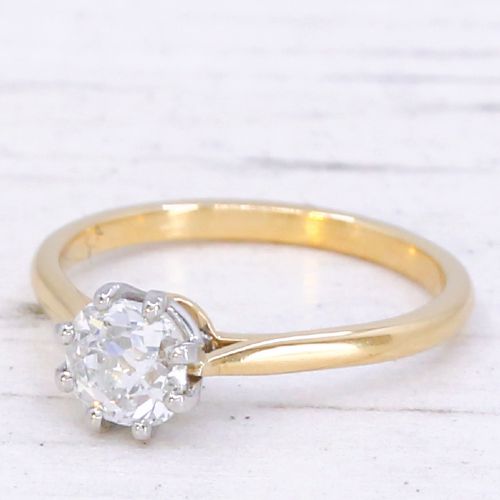


Edwardian Gold Solitaire
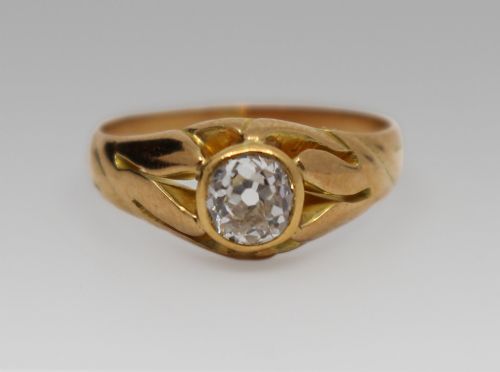
When you search for edwardian gold solitaire, you are looking at single-stone finger rings defined by the graceful aesthetics of the early twentieth century.
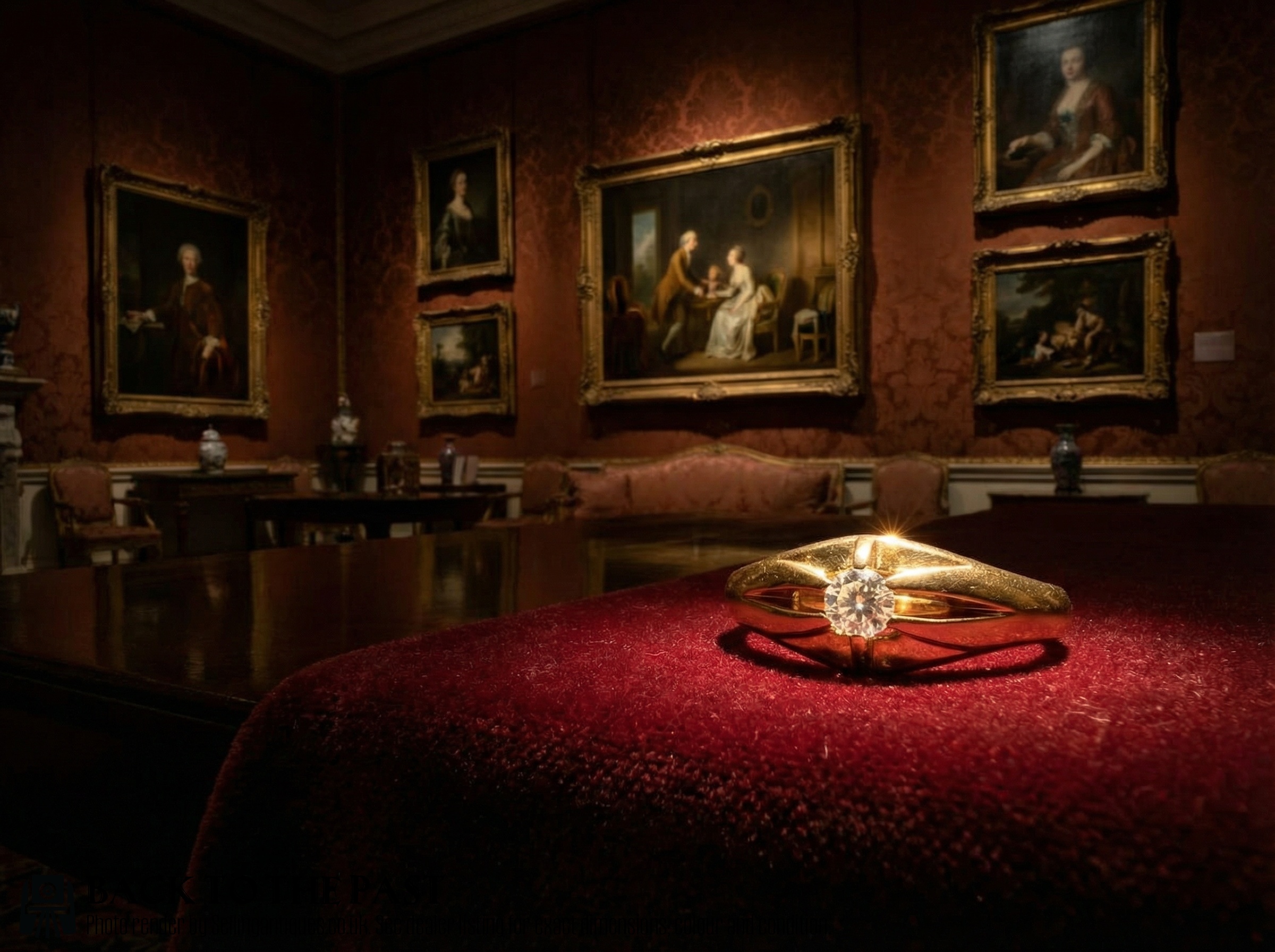
Edwardian Gold Solitaire
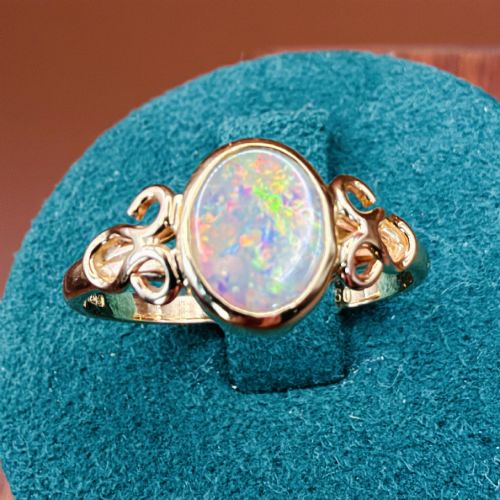
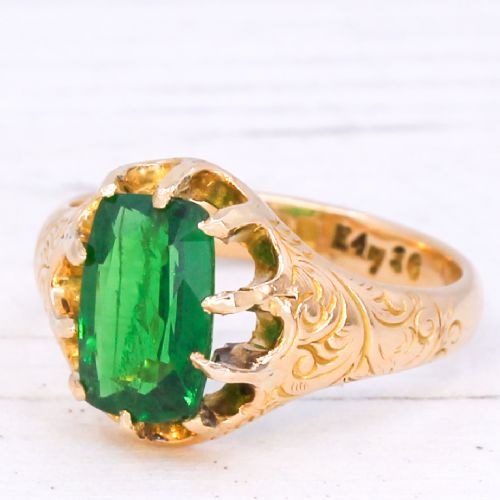
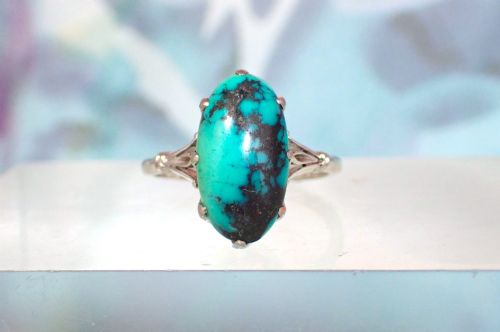
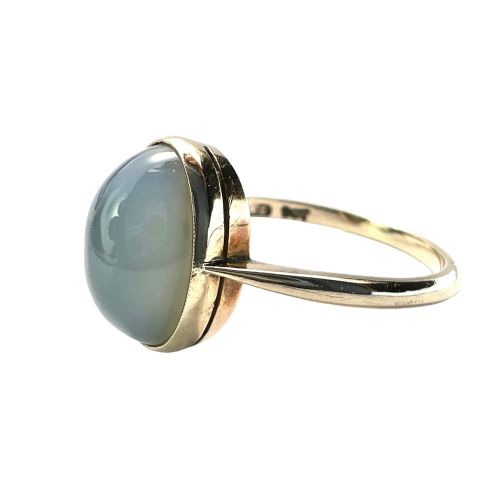
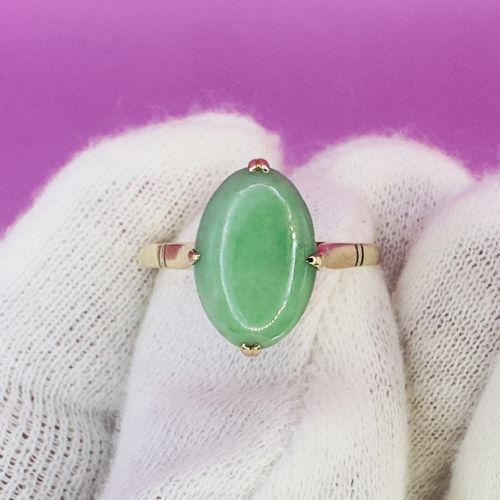
While diamonds remain common, the selection also includes coloured stones such as opals, sapphires, zircons, and chalcedony cabochons set into yellow gold, rose gold, or white gold.
Most surviving examples are rings, though the category occasionally encompasses earrings and pendants sharing the same single-stone focus.
How They Were Made
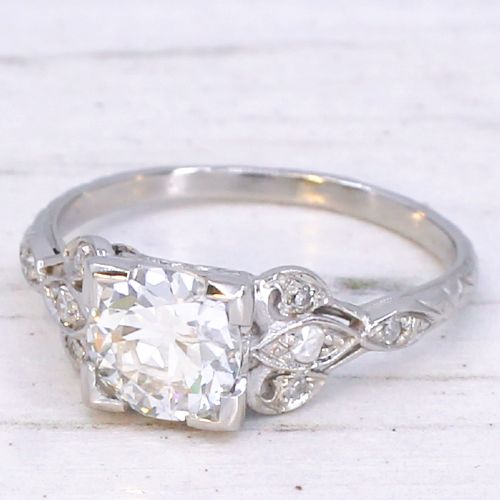
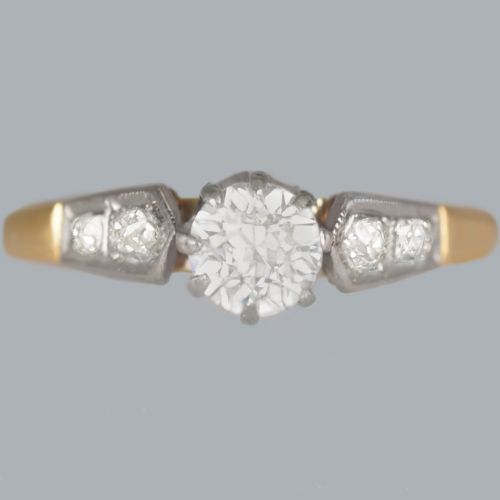
Goldsmiths of the period frequently combined yellow gold shanks with platinum settings to securely hold diamonds while enhancing their white brilliance.
Gemstones commonly display hand-cut facets such as old European cuts, old mine cuts, or smooth cabochon polishes shaped entirely by hand.
Prong settings, bezel settings, and delicate pierced metalwork are utilised to maximise light entry into the central stone.
Listings feature yellow gold, white gold, and platinum materials paired with diamonds, sapphires, and opals.
What Varies in Quality
The skill of the bench jeweller dictates the refinement of the metalwork, visible in the precision of the claw work and the delicacy of the gallery.
Gemstone selection creates a clear distinction, determined by the natural clarity, depth of colour, and cutting symmetry of the central stone.
The structural integrity of the mounting and the preservation of original hallmarks heavily influence the overall standard of the piece.
The Edwardian Gold Solitaire Glossary
- Solitaire
- A piece of jewellery featuring a single set gemstone. This design focuses visual attention entirely on the central stone.
- Old European cut
- An early form of brilliant cut diamond with a small table, high crown, and open culet. It produces a distinctive pattern of broad light flashes under candlelight.
- Cabochon
- A gemstone polished to a smooth, rounded convex surface rather than faceted. This style is typically used for opals, jade, and star stones.
- Bezel setting
- A method where a thin metal collar wraps around the rim of the gemstone to hold it securely in place. It offers a smooth profile compared to traditional prong settings.
- Platinum
- A dense, durable white metal utilised in Edwardian jewellery for its strength. It allowed jewellers to create exceptionally fine wirework and secure settings without adding bulk.
Edwardian Gold Solitaire: Frequently Asked Questions
What is an edwardian gold solitaire ring?
It is a ring featuring a single prominent gemstone mounted on a gold band, originating from the reign of King Edward VII or the surrounding years. These pieces are characterised by light, airy metalwork and elegant proportions.
They were primarily designed as engagement rings or token gifts, embodying the refined decorative tastes of the early twentieth century.
How can I tell an Edwardian ring from a Victorian one?
Edwardian jewellery generally employs platinum tops combined with yellow gold shanks, favouring lighter, lace-like motifs and white metals to showcase diamonds. Victorian pieces often rely heavier yellow or rose gold settings with warmer, more substantial proportions.
Examining the underlying construction and the style of the gallery often reveals the transition in manufacturing techniques between the nineteenth and twentieth centuries.
Are these rings suitable for everyday wear?
Many people wear antique solitaire rings daily, provided the settings are checked periodically by a professional jeweller. Harder stones like diamonds tolerate daily wear well, while softer materials require additional care.
Gentle cleaning and avoiding harsh impacts will preserve the delicate prongs and ancient metalwork for daily enjoyment.
What stones are found besides diamonds?
While diamonds dominate the category, jewellers also set natural opals, blue zircons, sapphires, chalcedony, and jade into these mounts. Coloured gemstones reflect the diverse tastes of the period alongside traditional diamond engagement rings.
Each stone type brings distinct optical qualities that interact uniquely with early twentieth-century gold and platinum mountings.