
Edwardian Gold Pearl Pendant
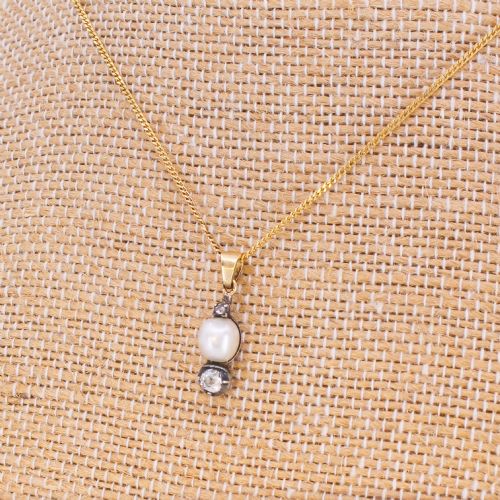
When you examine an edwardian gold pearl pendant, you hold a delicate piece of early twentieth-century jewellery that combines natural lustre with warm precious metal.
Edwardian Gold Pearl Pendant
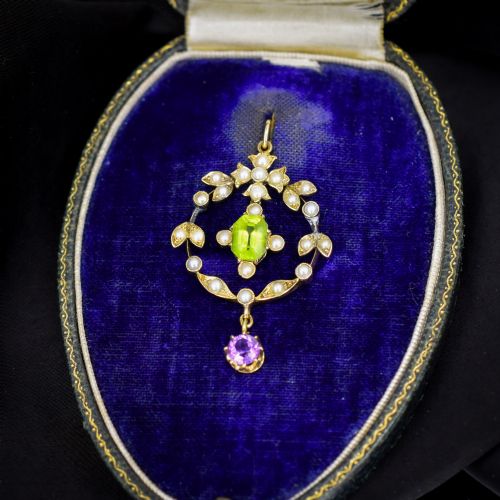
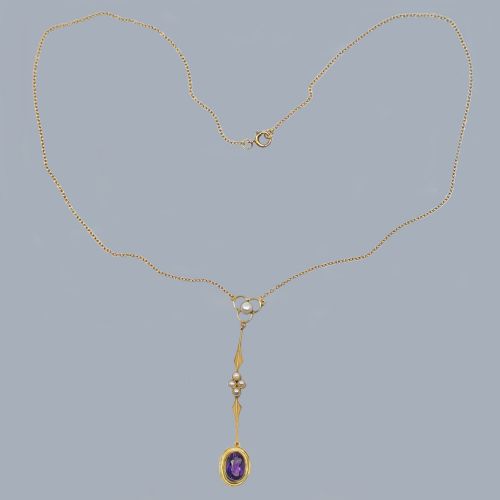
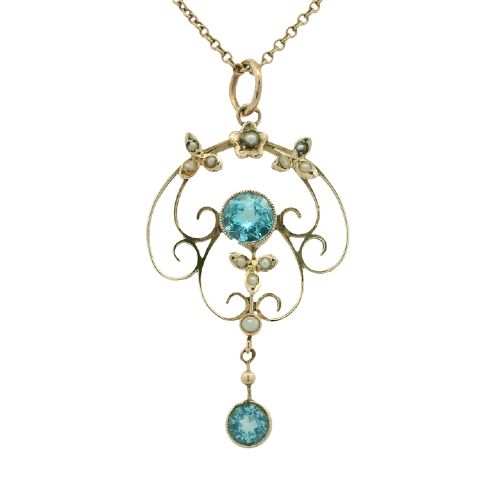
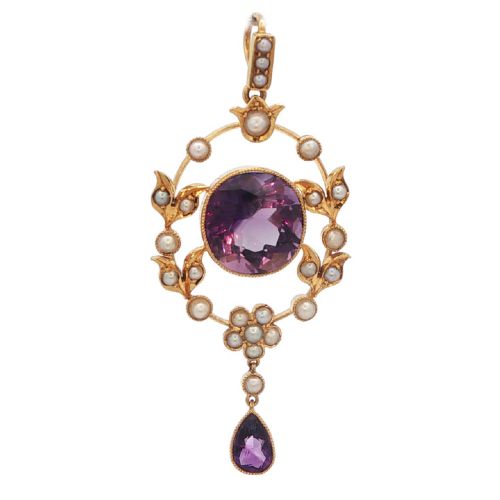
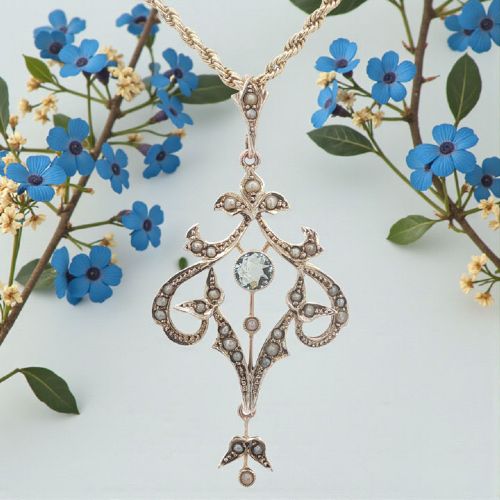
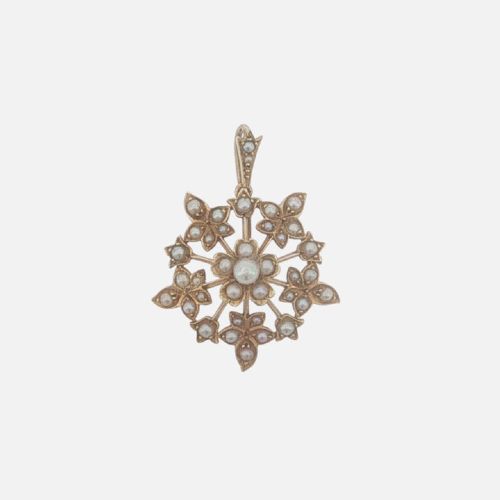
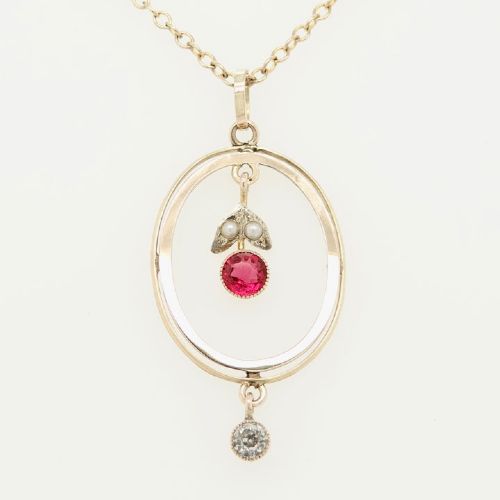
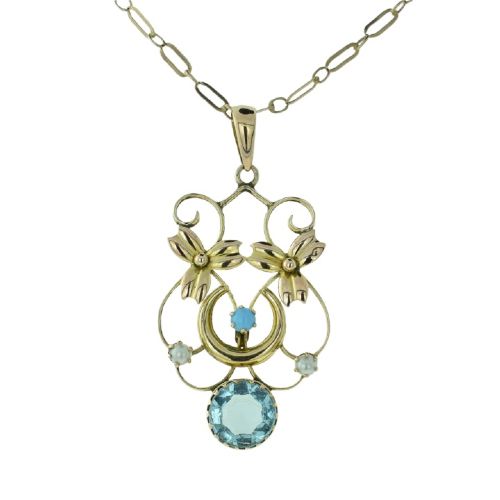
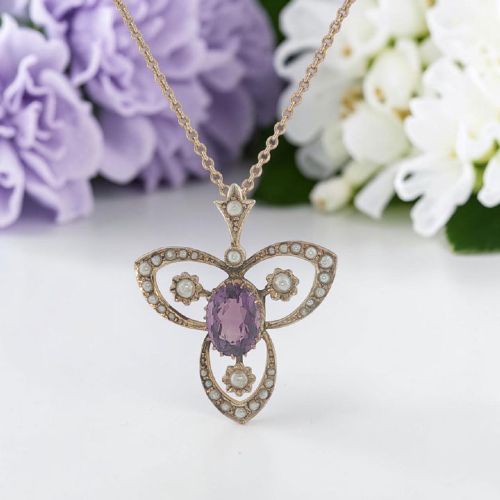
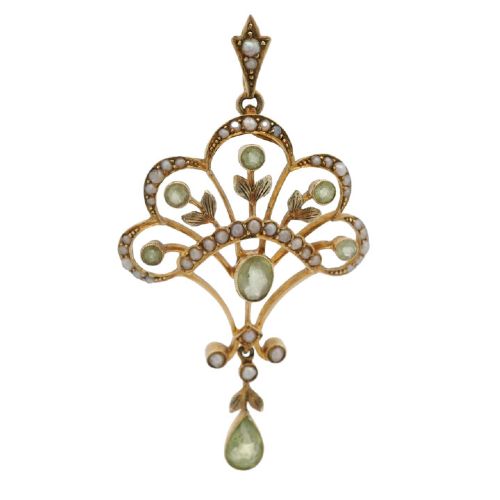
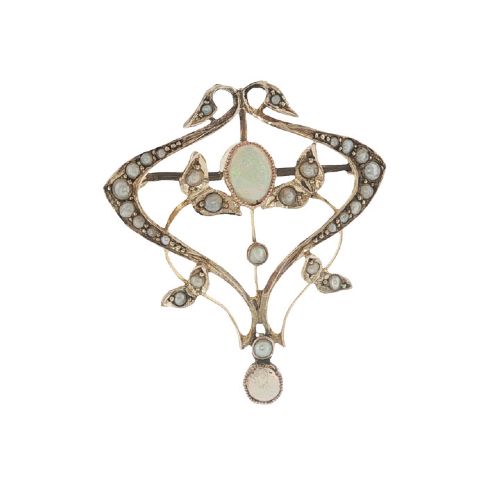
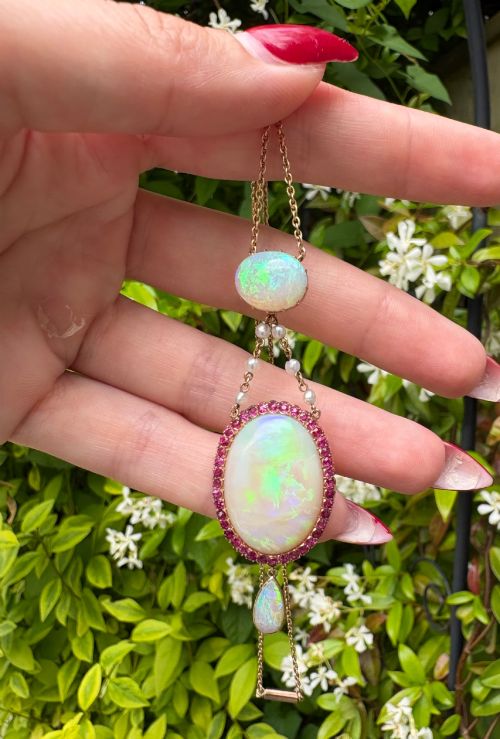
An edwardian gold pearl pendant typically takes the form of a delicate drop or lavalier necklace, often incorporating floral, botanical or flowing Art Nouveau motifs. These pieces span the Edwardian era, 1900, 1910, and occasionally extend into neighbouring Victorian and later periods. The central pearl or cluster of seed pearls frequently teams up with colourful gemstones such as amethyst, peridot, aquamarine and garnet.
Makers designed these items to be worn close to the collarbone, frequently featuring articulated drops that move with the wearer. Many surviving examples double as brooches, possessing a pin attachment on the reverse alongside the suspension loop. This dual functionality reflects the versatile jewellery habits of the period.
How They Were Made
Goldsmiths utilised 9ct and 15ct yellow or rose gold, occasionally mounting work in platinum or 18ct gold for higher-tier commissions. Seed pearls were meticulously set by hand, often threaded on fine wire or glued into delicate collets alongside larger natural pearls. Artisans incorporated intricate wirework, openwork framing and guilloche enamel to create light, airy structures characteristic of the Belle Epoque.
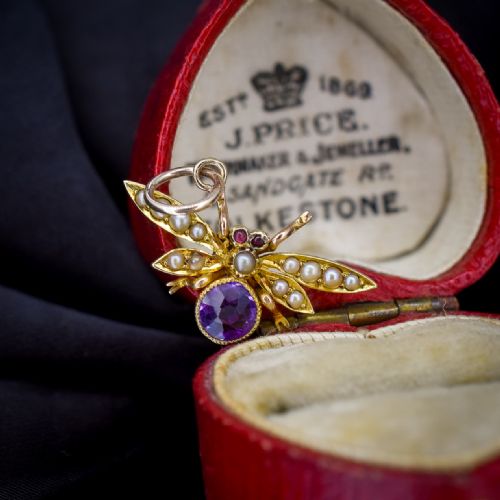
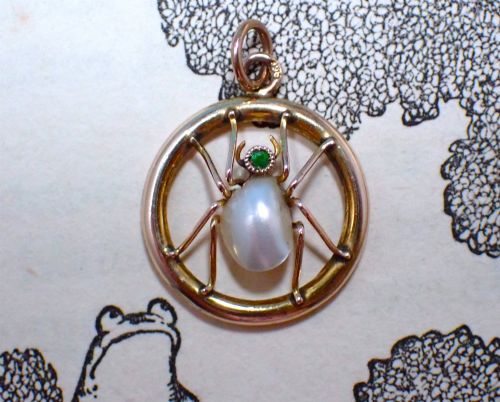
Techniques from the Art Nouveau movement heavily influenced the construction, resulting in whiplash curves, floral garlands and insect motifs like spiders and flies executed in gold. Stones such as amethysts, peridots and aquamarines were cut in oval, round or pear shapes to suspend beneath the pearl clusters.
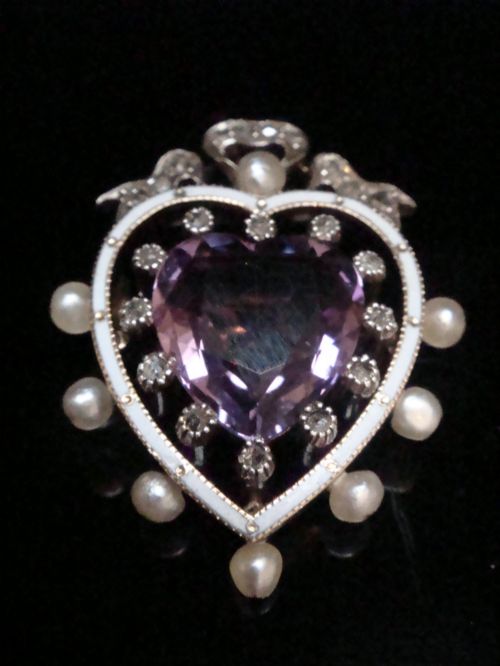
Makers occasionally transformed delicate insects like spiders and flies into jewelled companions guarding precious pearl hearts.
What Varies In Quality
The choice of gold standard creates a clear distinction across the range, with 15ct and 18ct gold pieces sitting above standard 9ct yellow or rose gold settings. The integration of platinum and higher diamond weights further elevates the tier of the piece. Gemstone saturation and the regularity of matching seed pearls dictate the visual harmony of the drop.
Execution of complex techniques like plique-a-jour enamel or delicate gallery wirework separates standard production from superior workshop output. Signed pieces bearing maker marks demonstrate higher craftsmanship levels compared to unmarked commercial stock.
S. Blanckensee & Son
The Edwardian Gold Pearl Pendant Glossary
- Seed Pearl
- A very small, naturally formed pearl, typically round or slightly irregular, used extensively in clusters and floral garlands. These tiny pearls form the delicate white accents framing larger gemstones.
- Lavalier
- A necklace featuring a pendant drop that hangs below a central motif, popular during the Edwardian and Art Nouveau periods. This cascading style accentuates the movement of the suspended pearls and stones.
- Plique-a-Jour
- An enamelling technique where enamel is applied to a cellular framework without a backing, resembling miniature stained glass. It allows light to shine directly through the translucent coloured glass.
- Guilloche
- A decorative engraving technique producing precise, intricate repeating patterns on a metal surface beneath transparent enamel. This method adds geometric depth to gold heart and disc pendants.
- Negligé
- A necklace style featuring two unequal drops suspended from a central link, creating an asymmetrical cascade. They often combine pearls with gemstones like amethyst or aquamarine.
Edwardian Gold Pearl Pendant: Frequently Asked Questions
What is an edwardian gold pearl pendant?
It is a decorative neck ornament created during the early 1900s, featuring pearls combined with yellow or rose gold and frequently accented with coloured gems.
These jewels reflect the lighter, more graceful aesthetic that followed the heavy styles of the late Victorian era.
How do you wear an antique pendant necklace?
Most of these pieces suspend from fine gold chains designed to sit high on the chest, often featuring adjustable lengths.
Because many examples double as brooches, they offer the alternative option of fastening directly to garments.
How can you tell an Edwardian piece from a Victorian one?
Edwardian designs generally favour lighter, airier platinum and gold wirework with pastel gems like peridot and aquamarine, whereas Victorian pieces often display heavier gold settings.
Art Nouveau curves and natural motifs also strongly signal the Edwardian transition away from rigid Victorian symmetry.
What gems appear alongside pearls in these pendants?
Amethysts, peridots, aquamarines, garnets and tourmalines frequently accompany pearls in these antique designs, alongside occasional diamonds and rubies.
These coloured stones provide vibrant contrast to the soft lustre of natural and seed pearls.