
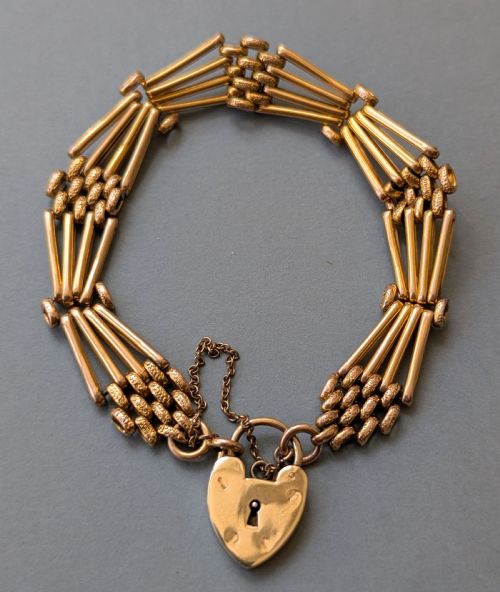


Edwardian Gold Heart Bracelet
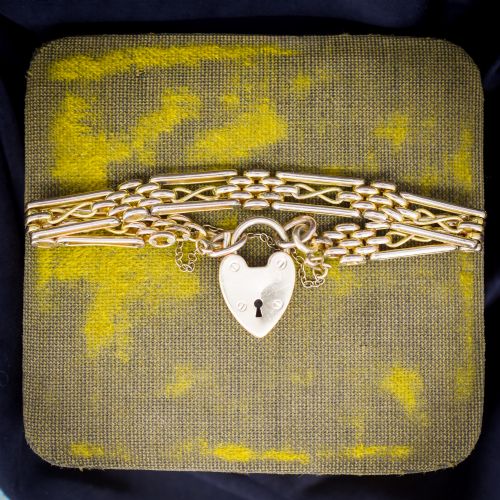
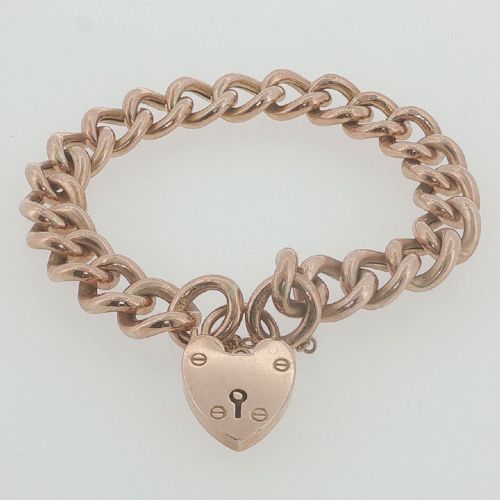
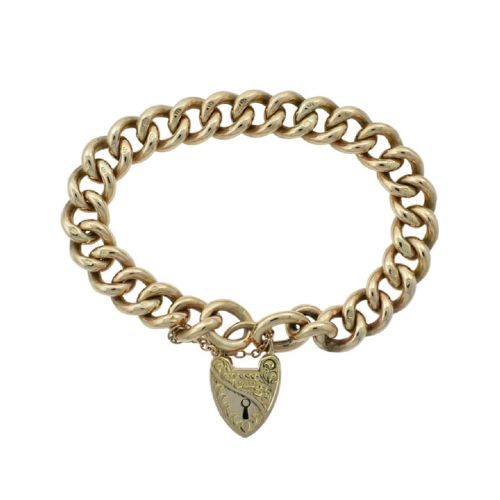
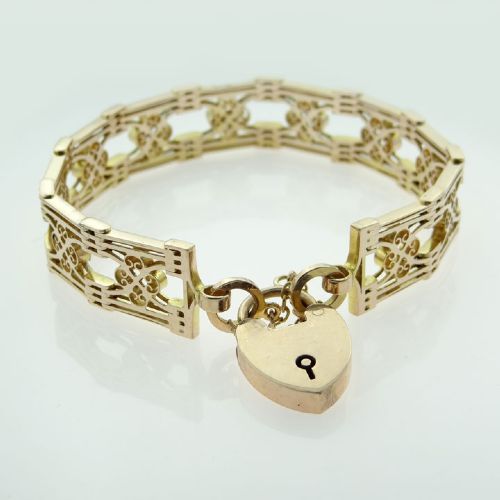
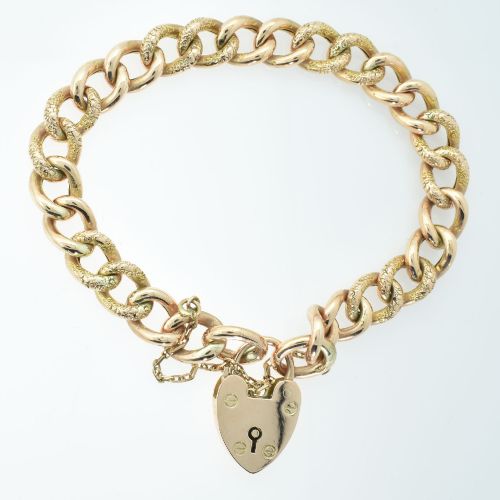
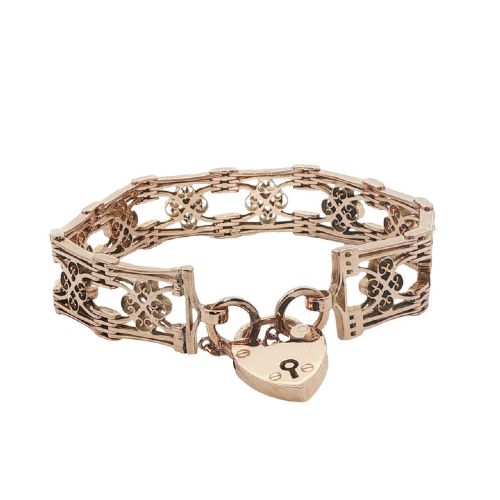
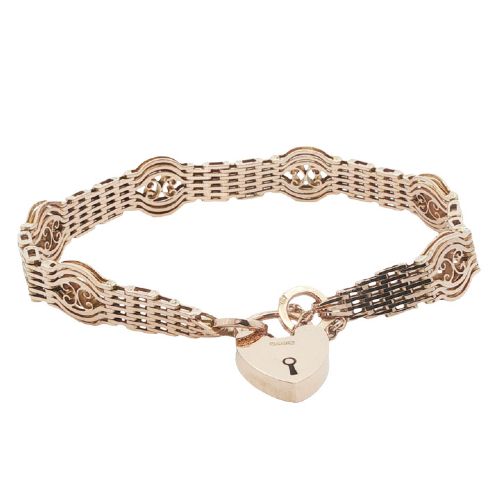
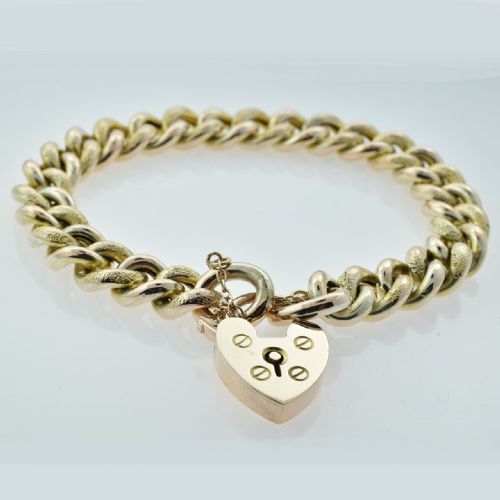
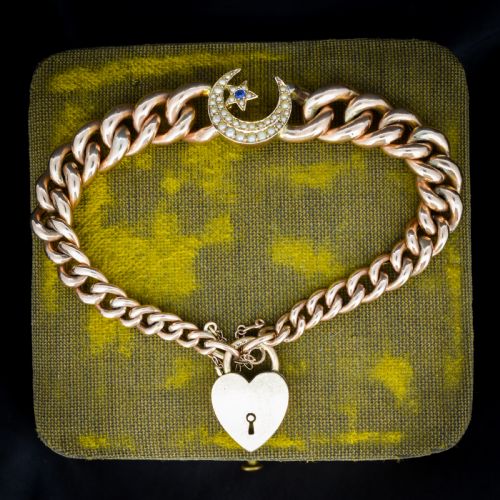
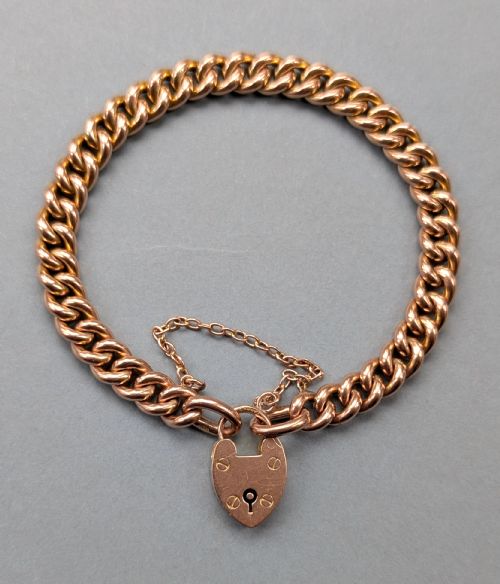
An edwardian gold heart bracelet brings together rich rose gold links and secure padlock clasps from the early twentieth century.
Edwardian Gold Heart Bracelet
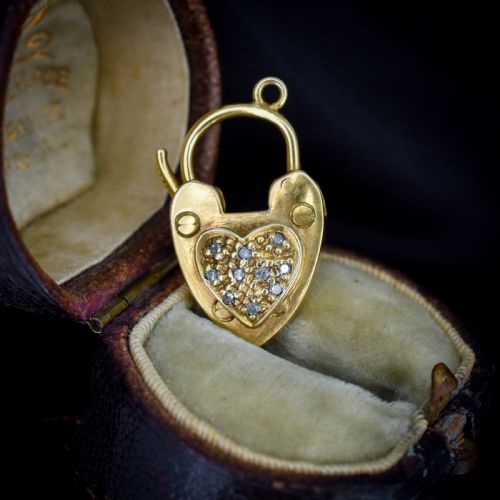
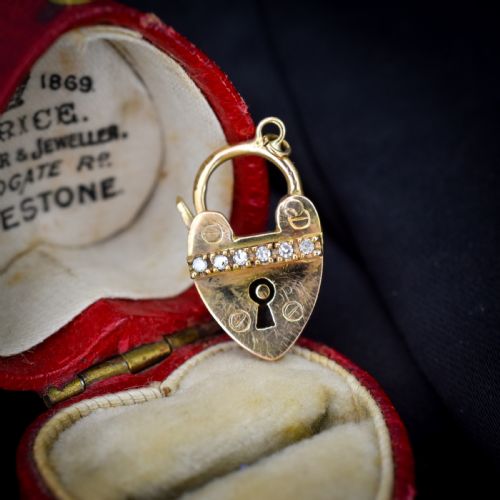
When searching for an edwardian gold heart bracelet, collectors encounter distinctive arm ornaments dominated by curb chains, gate links, and bangles originating primarily from the Edwardian period and the late Victorian era. These pieces frequently incorporate heart shaped padlocks or charms that function as functional clasps, often enhanced with precious gemstones.
The selections on this page centre heavily on 9ct rose gold and 15ct gold variations, alongside related forms such as pendants and charms. Gate links and half engraved curb chains appear regularly, reflecting the popular manufacturing outputs of assay offices in cities like Birmingham, Chester, and London during the first decade of the nineteen hundreds.
How They Were Made
Goldsmiths constructed these bracelets using yellow and rose gold alloys of 9ct and 15ct purity, shaping metal into hollow or solid curb links, fancy gate patterns, and tubular chains. Links were hand assembled, soldered, and sometimes half engraved with decorative foliate motifs by skilled artisans.
Clasps and charms frequently took the form of miniature padlocks, spring loaded purses, or double hearts set with seed pearls, diamonds, amethysts, opals, and moonstones. Gemstones were secured using traditional collet and prong settings, while niello or rock crystal elements added contrasting surface textures.
Materials appearing across these items include seed pearls, diamonds, amethysts, opals, moonstones, citrines, rock crystal, and niello.
What Varies in Quality
Substantial weight and metal purity dictate the foundational worth of each piece, distinguishing heavy gate links and thicker 15ct gold constructions from lighter, hollowed equivalents. The structural integrity of individual chain links and the snug operation of the padlock spring directly influence everyday durability.
The refinement of hand engraving, the symmetry of heart padlocks, and the matching or quality of seed pearls and gemstones establish the upper tier of craftsmanship. Complete sets of legible hallmarks stamped by regional assay offices provide vital documentation of origin and metal standard.
The Edwardian Gold Heart Bracelet Glossary
- Curb link
- A type of jewellery chain formed of uniform, interlocking links that lie flat against the wrist. These links provide a sturdy foundation for heavy padlocks.
- Gate bracelet
- A linked design composed of vertical metal bars connected in rows, mimicking Victorian and Edwardian gate structures. This style offers a wide profile on the arm.
- Heart padlock
- A miniature lock shaped like a heart that serves as the secure clasp for a chain bracelet. Many examples function with a tiny push button mechanism.
- Seed pearl
- A very small, naturally or cultured saltwater or freshwater pearl utilised in clusters or crescents. They bring a delicate, luminous accent to gold mountings.
- Assay mark
- An official stamp struck into precious metal to certify its gold purity standard. These marks often include city symbols and date letters for identification.
Edwardian Gold Heart Bracelet: Frequently Asked Questions
How do I open the heart padlock?
Most heart padlocks on these bracelets operate via an internal spring mechanism controlled by a small push button or a movable arm on the shackle. Pressing this release allows the clasp to swing open from the safety chain or jump ring.
While some padlocks were originally designed to require a tiny key, many survive with functional spring closures that permit easy daily wear without mechanical keys.
What is the difference between curb and gate links?
Curb links consist of interlocking, twisted oval rings that create a flexible, uniform chain suitable for holding charms and padlocks. They sit flat and smooth against the skin.
Gate links feature multiple vertical bars joined horizontally by small connectors, producing a wider, ladder like band. This style was widely produced in 9ct rose gold during the early nineteen hundreds.
Are these bracelets solid or hollow gold?
Surviving examples vary between solid gold construction and hollow manufactured components designed to reduce weight and cost. Heavier pieces are generally solid, while lighter gate and curb bracelets may utilise hollow tubing.
Checking the overall weight relative to the physical dimensions provides a reliable indication of whether the individual links are solid or formed from hollow sheet metal.
How can I date an antique gold bracelet?
Dating relies heavily upon official hallmarking stamps found on the jump rings, links, or padlock bodies. Assay office symbols and date letters stamped into the gold pinpoint the exact year and city of testing.
Stylistic elements, such as the prevalence of rose gold alloys and specific heart padlock shapes, further narrow the origin to the late Victorian and Edwardian eras.