
Antique Jewellery Heart Charm
When you handle an antique jewellery heart charm, you touch a tangible symbol of sentiment fashioned in gold, silver, and precious stones.
Antique Jewellery Heart Charm
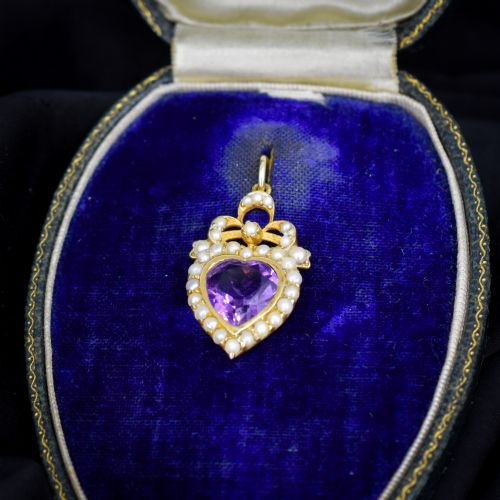
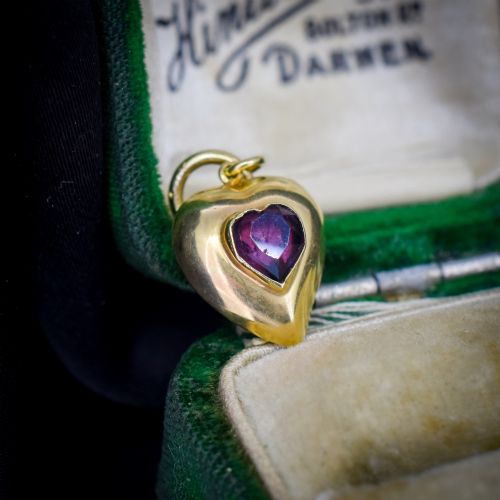
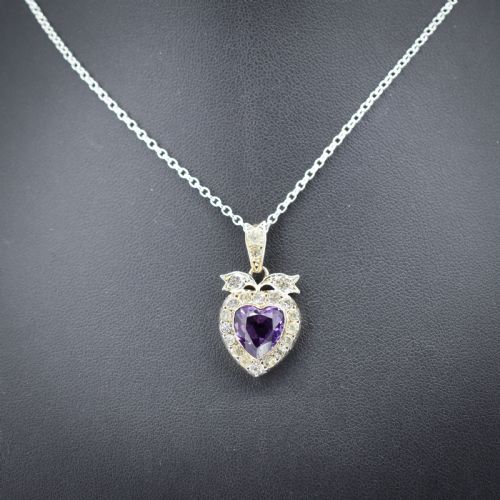
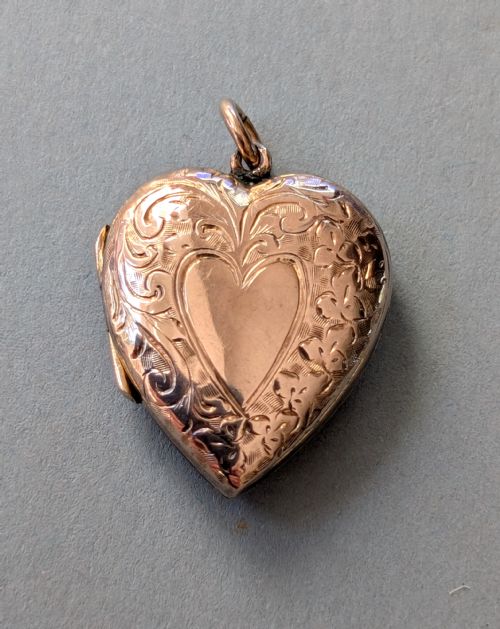
An antique jewellery heart charm represents a recurring motif across Victorian, Edwardian, and mid-century collections. Buyers seek these pieces for their sentimental forms, which appear as puffy lockets, engraved padlocks, and gem-set pendants.
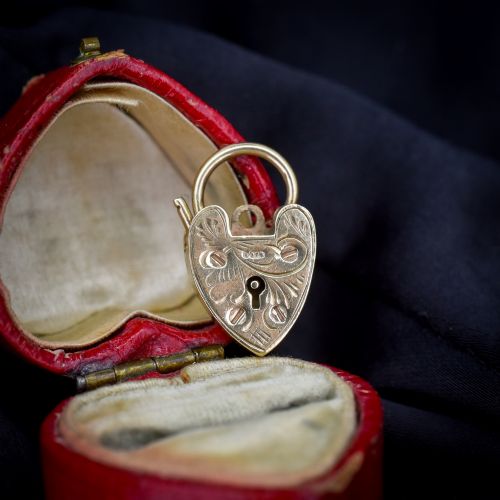
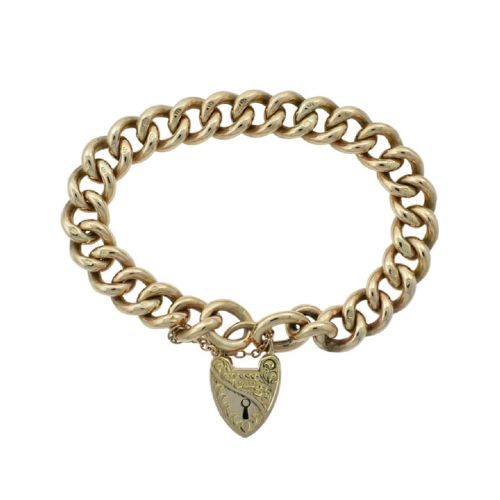
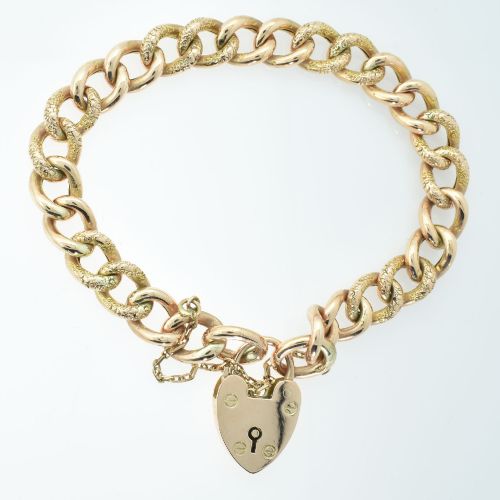
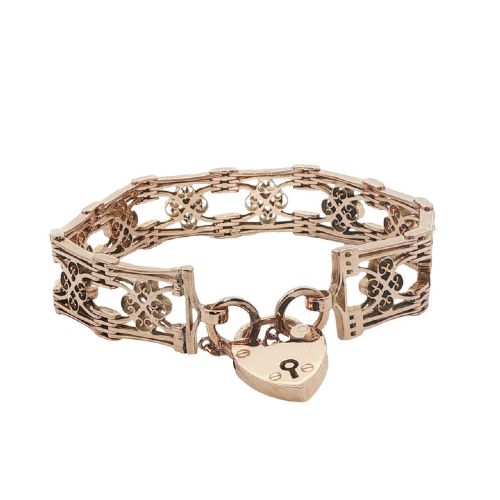
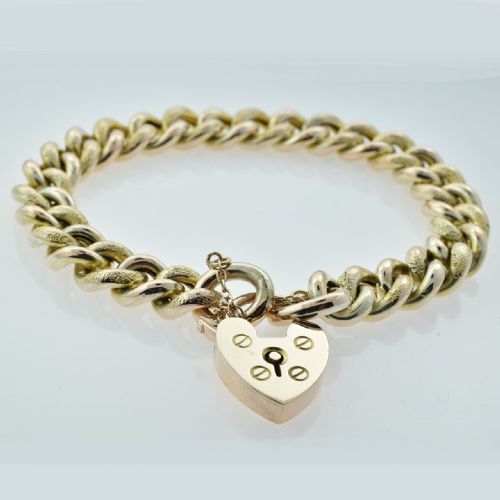
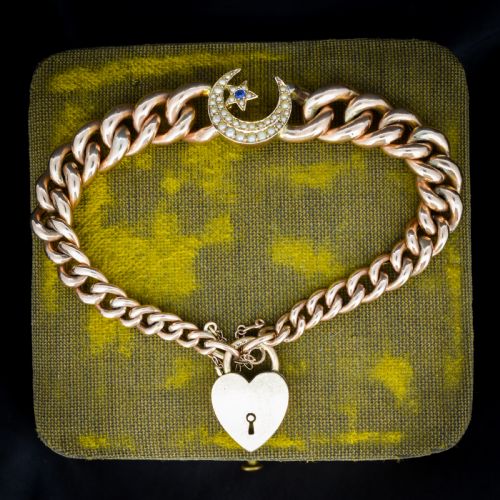
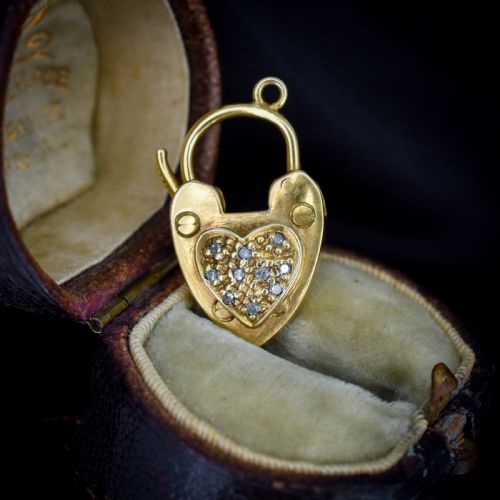
The versions most commonly met on this page include 9ct gold and yellow gold padlock charms, often attached to curb link bracelets or worn suspended from fine chains. These range from simple engraved designs to elaborate pieces set with seed pearls, diamonds, and garnets.
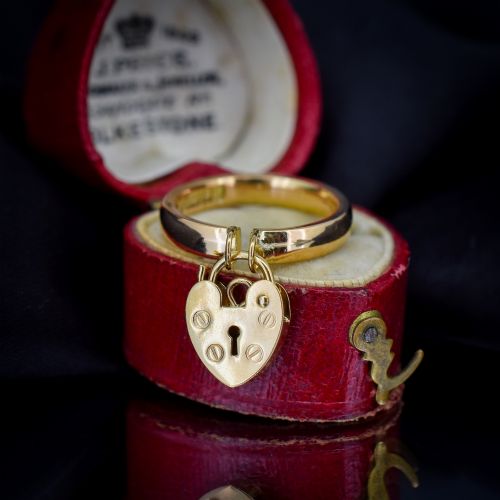
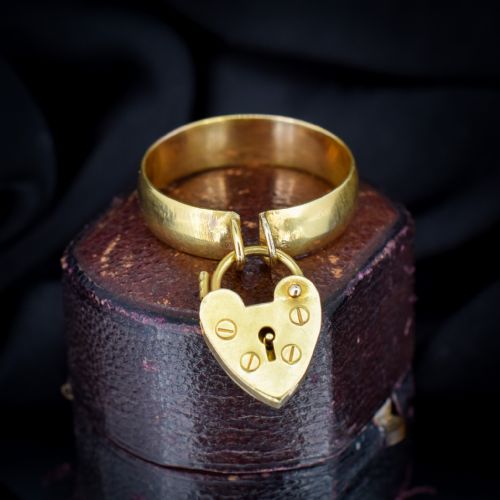
Beyond standalone charms, the evidence shows heart motifs integrated into rings, lockets, and religious medals originating from Britain and France. Each variation captures a different facet of romantic and commemorative sentiment from the nineteenth and twentieth centuries.
Materials and construction methods
Metals form the structural backbone of these items, with 9ct, 15ct, and 18ct gold appearing alongside sterling silver and French 18k yellow gold. Artisans shaped these metals into hollow puffy hearts, solid cast padlocks, and intricate gate bracelet components.
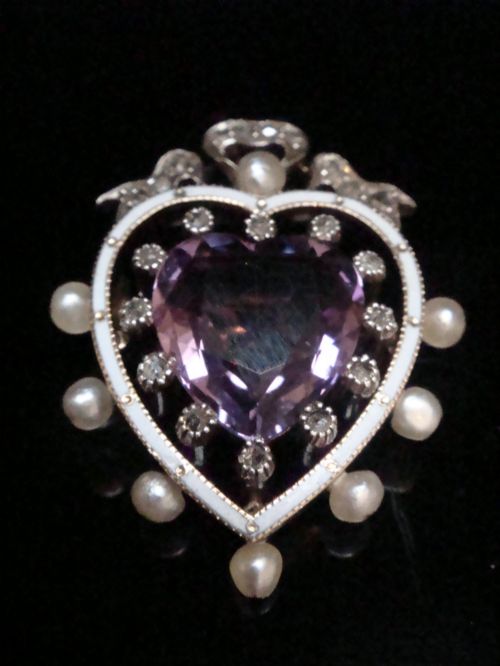
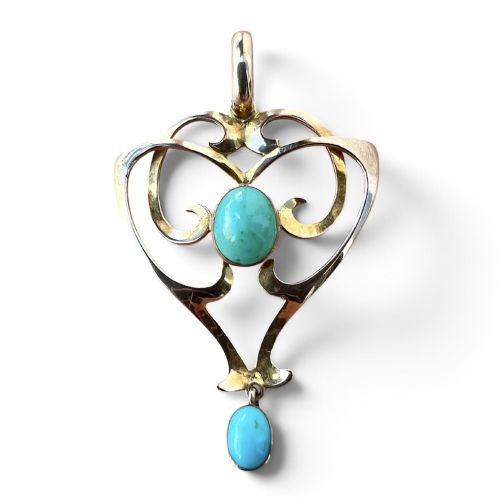
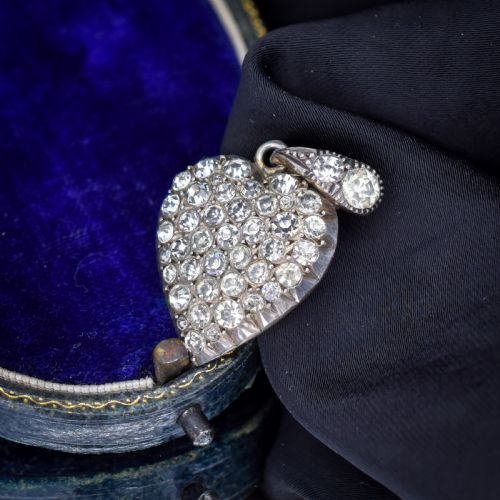
Surface decoration relies on traditional techniques such as hand engraving, guilloche enamel, and niello work. Stones including old cut diamonds, seed pearls, turquoise, amethyst, and rubies are flush or claw set into the gold and silver bodies.
Listings feature items from the Victorian, Edwardian, and mid-century periods, utilising 9ct, 15ct, and 18ct gold, silver, seed pearls, and diamonds.
Distinctions in craftsmanship and design
The level of detail in hand engraving and the precision of the metalwork dictate the standard of an individual piece. Crisply cut foliate scrolls and deep chased patterns separate superior items from worn or hastily finished examples.
Material composition also governs worth, as higher gold carat weights, natural pearls, and well-matched old cut diamonds elevate a piece. The presence of clear hallmarks adds tangible evidence of origin and period authenticity.
Deakin & Francis·Mazzoni·Vernon
The Antique Jewellery Heart Charm Glossary
- Guilloche enamel
- Enamel applied over engine-turned metalwork. This technique creates geometric patterns visible beneath a translucent coloured glass layer.
- Padlock charm
- A functional or decorative lock shaped like a heart. These frequently secure curb link charm bracelets or hang as pendants.
- Puffy heart
- A three-dimensional hollow charm formed from two embossed metal halves soldered together. They often contain inner compartments for photographs.
- Old cut diamond
- A precursor to the modern brilliant cut diamond. These stones feature smaller tables, higher crowns, and open culets hand-polished by early lapidaries.
- Niello
- A black metallic alloy used as a contrast inlay on silver. Artisans engrave designs into the metal and fill the recesses with the dark compound.
Antique Jewellery Heart Charm: Frequently Asked Questions
How do I wear a heart locket pendant?
A heart locket pendant is traditionally suspended from a short or medium chain necklace, resting close to the collarbone. These hinged pieces open to reveal small compartments intended for holding miniature photographs or locks of hair.
When wearing an antique locket, ensure the hinge and latch mechanism are secure before fastening it around your neck. Pairing it with period curb chains or delicate gold links complements the historic aesthetic of the piece.
What periods do these heart charms come from?
The pieces listed span the late nineteenth century through to the mid-twentieth century. Victorian and Edwardian examples dominate the selection, alongside Art Nouveau designs and later 1930s or 1960s vintage items.
Earlier nineteenth-century pieces often showcase high-carat gold and hand-cut gemstones, while twentieth-century variations introduce distinct French religious medals and engine-turned yellow gold padlock forms.
Are these charms solid gold?
The metal composition varies between solid gold, silver, and hollow construction techniques. Many puffy heart charms and padlocks are hollow to reduce weight while maintaining a bold three-dimensional appearance.
Solid gold items typically bear British hallmarks indicating 9ct, 15ct, or 18ct gold standards. French pieces frequently feature eagle or other regional assay marks denoting 18k gold purity.