


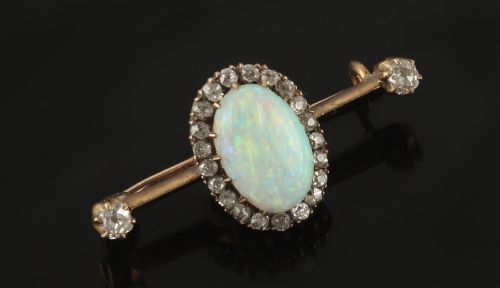
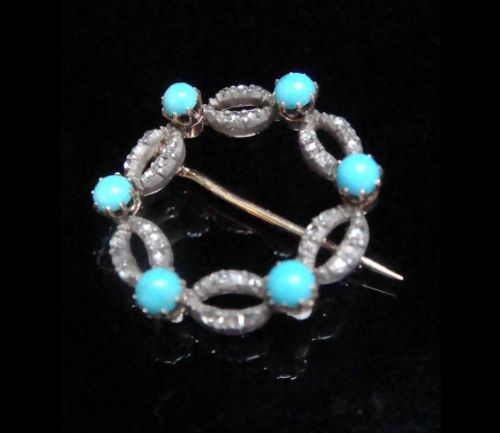


Edwardian Gold Diamond Brooch
An edwardian gold diamond brooch combines fine precious metals with old cut stones, offering a wearable piece of early twentieth century design.
Edwardian Gold Diamond Brooch
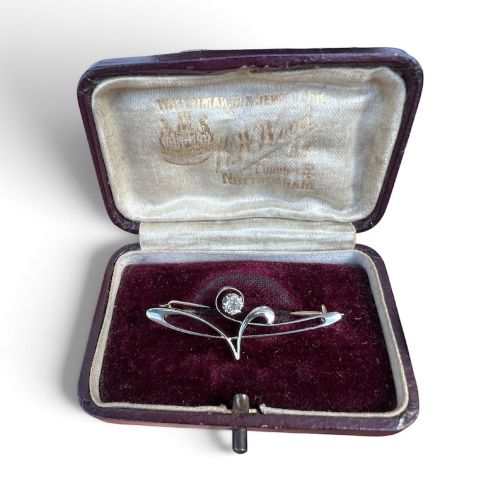
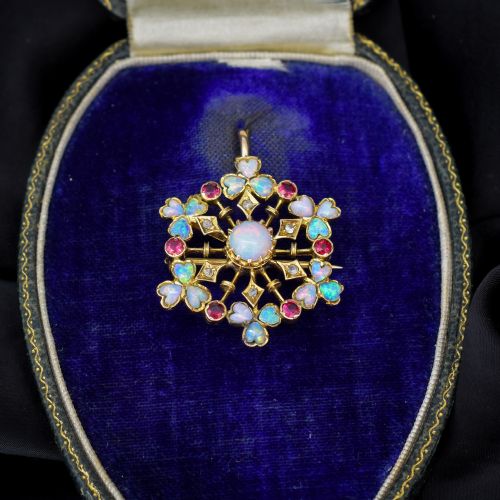
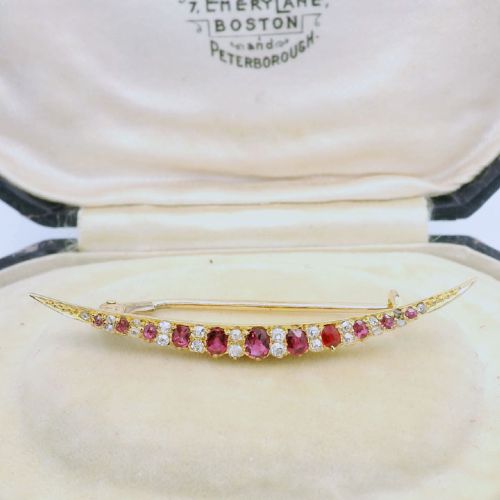
An edwardian gold diamond brooch encompasses a variety of pin-backed ornaments designed during the early decades of the twentieth century. These pieces frequently manifest as delicate bar brooches, floral sprays, crescent shapes, and convertible pendant brooches that also accept chains.
The materials paired with diamonds during this era include yellow gold, white gold, and platinum settings over gold bases. Gems such as rubies, sapphires, turquoises, and natural pearls frequently accompany the central diamonds within these antique jewels.
How They Were Made
Goldsmiths utilised combinations of yellow gold, 15ct or 18ct gold, and platinum to fabricate these intricate frames. Platinum top-settings gained popularity during this period because the durable white metal allowed for extremely fine claw and bezel settings without adding excessive weight to the garment.
Diamonds were predominantly old cut, including old European and rose-cut variations, which were hand-set by artisans. Enamelling techniques like plique-à-jour also appear alongside gemstone clusters to add vibrant colour to floral and heart motifs.
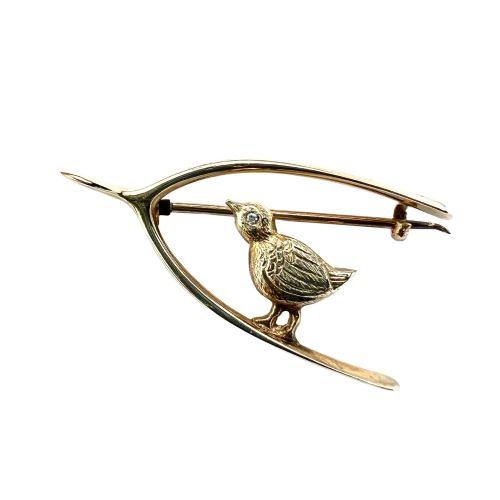
The inventory records whimsical subjects including swallows, chicks, wishbones, crescent moons, and bicycles.
What Varies In Quality
Quality rests in the precision of the metalwork, the integration of platinum with gold, and the matching of the gemstones. Superior examples demonstrate meticulous piercing and delicate granulation that maintain structural integrity while appearing weightless.
The selection and arrangement of accompanying stones, such as natural pearls or calibrated sapphires, further distinguish finer pieces. Original closures, secure pin mechanisms, and convertible pendant loops also influence the overall standard of preservation.
The Edwardian Gold Diamond Brooch Glossary
- Old European cut
- A brilliant-cut diamond style featuring a small table, high crown, and a large culet typical of late nineteenth and early twentieth century jewellery. This cutting style produces broad, distinctive facets that catch candlelight gracefully.
- Bar brooch
- A slender horizontal pin that displays gemstones singly or in a uniform line across the garment. These versatile pieces were pinned to lapels and collars with regularity.
- Pendant brooch
- A dual-purpose ornament equipped with a hidden loop or fold-down bail allowing it to be worn on a chain as a pendant or pinned directly to fabric. This adaptability made them popular for day and evening wear.
- Rose-cut
- A vintage diamond cut featuring a flat base and a domed crown covered in triangular facets resembling an unopened rosebud. They possess a subtle, understated luminescence rather than modern brilliant sparkle.
Edwardian Gold Diamond Brooch: Frequently Asked Questions
How do I wear an edwardian gold diamond brooch safely?
Secure the pin firmly using the safety catch or additional security chains where fitted. Heavier items require sturdy fabrics like wool or heavy silk to support the weight without sagging.
Avoid wearing antique brooches on delicate weaves or thin knits that might tear under the pressure of the pin stem.
Are these brooches convertible into pendants?
Many examples feature hinged bails or loops tucked behind the frame specifically for chain suspension. This dual functionality allowed owners to transition the ornament from a lapel pin to a neckpiece easily.
Examine the reverse of the setting to locate folding loops or removable pin stems on convertible pieces.
What metals are commonly found in edwardian gold diamond brooch pieces?
Makers frequently combined yellow gold or 18ct gold with platinum tops to highlight the diamonds. Platinum provided a bright white surface that made stones appear larger while keeping the structural backing robust in yellow or rose gold.
White gold also appears in pieces dating towards the end of the 1920s era.
How can I distinguish an edwardian piece from a victorian one?
Edwardian designs generally favour lighter, airier platinum-on-gold settings with garland, bow, and crescent motifs. Victorian pieces often display heavier, warmer yellow gold frameworks with denser gemstone clusters and starburst patterns.
Examining the metal pairing and overall lightness of the filigree helps clarify the period of manufacture.