

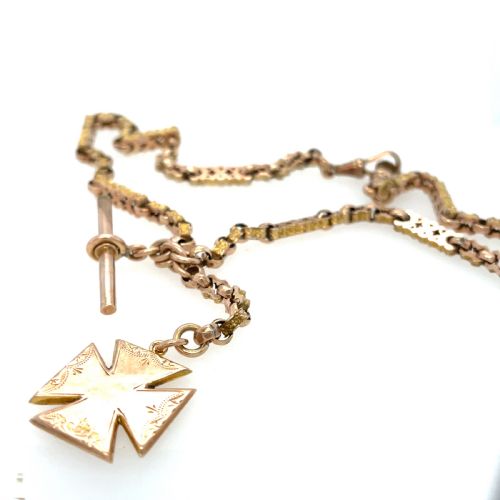


Edwardian Gold Cross
These edwardian gold cross pendants and jewellery items bring delicate craftsmanship and enduring sentiment to any collection.
Edwardian Gold Cross
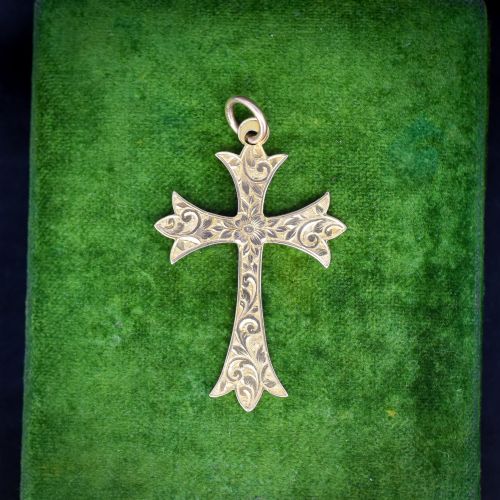
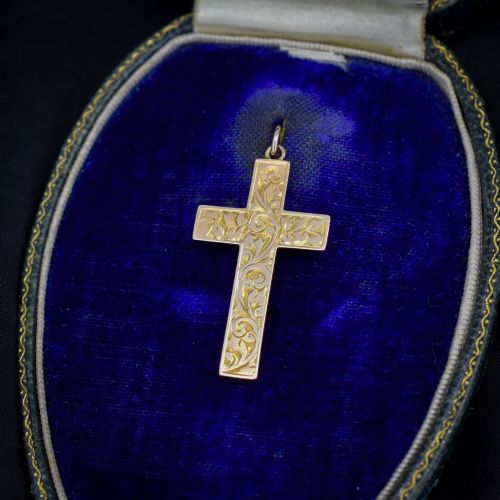
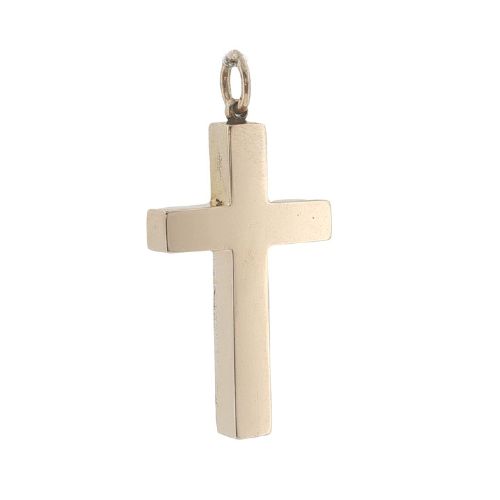
When you search for an edwardian gold cross, you are looking at small devotional and decorative pendants spanning the early twentieth century and adjacent Victorian and later periods. The most common pieces on this page are 9ct gold engraved cross pendants originating from Birmingham assay offices.
Beyond standard pendants, the selection includes related forms such as Albert chains with fobs, convertible brooch and pendant combinations, and crossover rings incorporating gemstones. These items blend religious symbolism with the refined aesthetics typical of the Edwardian era.
While the core of the selection remains firmly in the Edwardian period, surrounding styles like Victorian revival and Art Deco occasionally appear alongside the dominant gold crosses.
How they were made
Makers utilised 9ct, 15k, and 18ct gold, often shaping yellow or rose gold into hollow or solid pendant structures. Surface decoration frequently involved hand engraving with floral or scroll motifs.
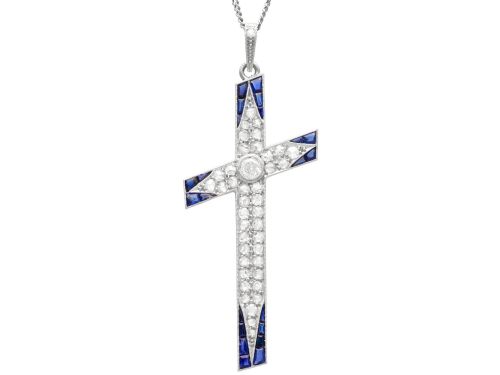
Many examples incorporate gemstones such as diamonds, pearls, sapphires, and turquoise, mounted directly into the gold framework or combined with platinum sections.
Edwardian Gold Cross Retail Price Guide 2026
Typical asking prices for edwardian gold cross among the pieces listed under this phrase on Sellingantiques today, from the lower quarter to the upper quarter. They describe what is for sale here now, not the wider market.
Materials documented across the inventory include yellow gold, rose gold, platinum, diamonds, pearls, sapphires, and turquoise.
What varies in quality
Quality rests on the crispness of the hand engraving and the structural integrity of the gold work. Finer pieces retain sharp surface details without flattening from wear.
The choice of stones also separates standard examples from exceptional ones, with well-matched pearls, clean sapphires, and properly set diamonds elevating the overall piece.
Omar Ramsden and Alwyn Carr
The Edwardian Gold Cross Glossary
- Edwardian
- Pertaining to the reign of King Edward VII, spanning from 1901 to 1910, known for light and graceful jewellery designs. Pieces from this time often feature delicate openwork and platinum toppings.
- Albert Chain
- A type of watch chain historically worn by men or women, often suspended from a waistcoat. These chains frequently feature a T-bar and attached fob.
- Brooch/Pendant
- A versatile jewellery form fitted with both a pin and a loop, allowing it to be worn either pinned to clothing or hung from a chain.
- Rose Gold
- An alloy of gold and copper creating a warm reddish hue. This metal was widely utilised in Edwardian and Victorian jewellery production.
- Crossover Ring
- A ring design where two ends of the band cross over one another, often showcasing paired gemstones such as diamonds or sapphires.
Edwardian Gold Cross: Frequently Asked Questions
How do I wear an edwardian gold cross pendant today?
These pendants suspend easily from fine gold chains or antique chains of compatible weight. Their modest scale suits daily wear, either alone or layered with other small necklaces.
For convertible pieces featuring a brooch fitting, ensure the pin catch remains secure if worn pinned to fabric.
What gold purity should I expect to find?
The listings show pieces constructed primarily in 9ct gold, alongside examples in 15k and 18ct gold. Rose gold and yellow gold variants both appear frequently across the Edwardian period.
Hallmarks often stamp the specific gold purity alongside assay office marks and date letters.
How do I tell an Edwardian cross from a Victorian one?
Edwardian pieces tend to display lighter, airier metalwork and frequently incorporate platinum alongside gold. Victorian crosses often present a slightly heavier, more robust construction with deeper hand engraving.
Assay marks and stylistic cues help confirm the exact period of manufacture.
Were these crosses purely religious items?
While the cross form retains Christian symbolism, during the Edwardian period they were worn widely as decorative jewellery and tokens of sentiment. The addition of pearls, sapphires, and detailed engraving emphasised aesthetic appeal.
They functioned simultaneously as personal ornaments and expressions of faith or style.