


Edwardian Glazed Top Desk
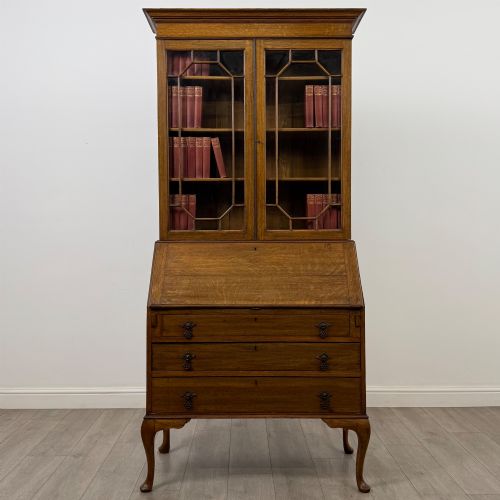
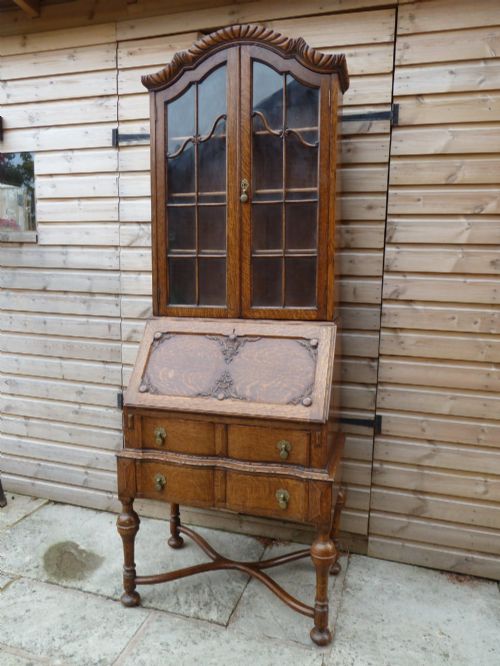
These edwardian glazed top desk examples unite upper book cabinets with drop-front writing surfaces for organised domestic study.
Edwardian Glazed Top Desk
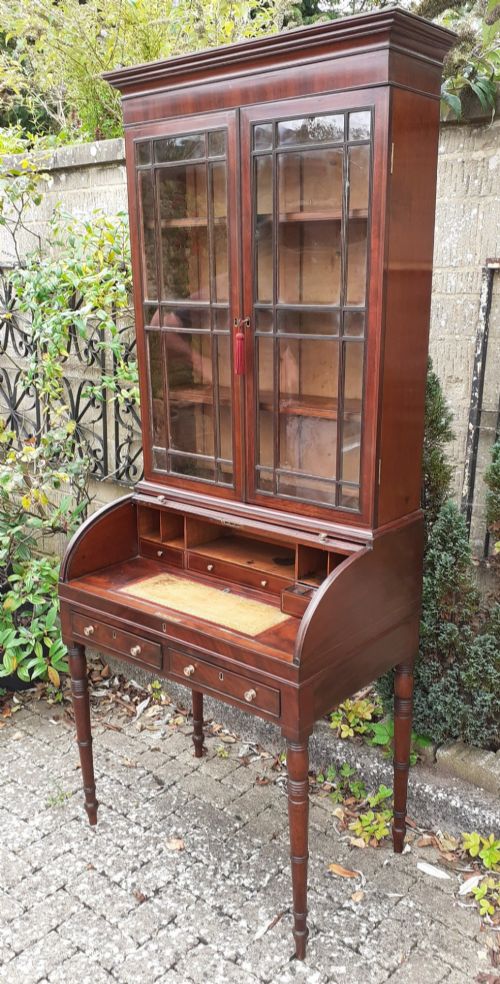
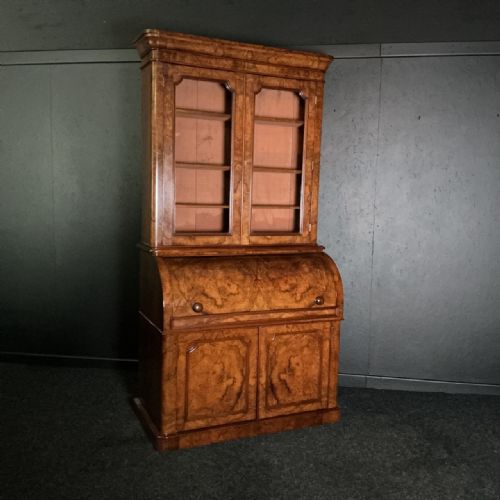
When you search for an edwardian glazed top desk, you encounter dual-purpose furniture pieces that combine upper display shelving with lower writing storage. These versatile items typically manifest as bureau bookcases, cylinder desks, and secretaire bookcases across the selection.
The materials span mahogany, oak, and satinwood, often enhanced by decorative inlay work. While Edwardian pieces dominate, the selection includes related examples stretching from Georgian origins through Victorian revivals.
Forms vary from fall-front bureau styles to cylinder desks and roll-top variants. Each version provides enclosed shelving above a functional writing slope or pull-out desk surface.
Construction and materials
Cabinet makers utilised dense hardwoods such as mahogany and oak for the primary carcase and shelving structures. Satinwood frequently appeared as a contrasting veneer for decorative banding and inlay details.
Glass panels were secured within wooden framing for the upper bookcase doors, allowing clear visibility of library contents. Brass hardware, including handles and key escutcheons, completed the functional exterior fittings.
Leather writing inserts provided a smooth, durable surface for correspondence within the fold-down or pull-out desk compartments.
Some cylinder desks hide secret compartments behind tiny drawers, designed for stashing love letters.
Assessing quality and craftsmanship
Superior examples display tighter timber grain selection and more intricate marquetry or satinwood inlay work across the exterior surfaces. Finer pieces maintain balanced proportions between the upper glazed cabinet and the lower desk base.
The execution of the interior pigeonholes, small drawers, and writing mechanisms indicates the original maker's investment of time and skill. Original glass panes and uncompromised structural joints elevate the standing of any individual piece.
Tudor & Burrey
The Edwardian Glazed Top Desk Glossary
- Bureau bookcase
- A piece of furniture featuring a sloping writing flap above drawers, topped by a glazed shelving cabinet. It serves both study and library functions in domestic spaces.
- Cylinder desk
- A writing table equipped with a curved, quarter-circle wooden shutter that slides backward to reveal the desk interior. This mechanism conceals papers and writing implements when closed.
- Secretaire bookcase
- A tall cabinet incorporating a pull-out drawer with a drop-front fitted interior for writing, positioned beneath glazed bookcase doors. It offers a cleaner exterior line than a traditional sloping bureau.
- Satinwood
- A lustrous, yellowish timber native to Ceylon and India, prized for cabinet veneers. It provides a bright contrast against darker woods like mahogany.
- Inlay
- A decorative technique where contrasting materials are set into recesses flush with the wood surface. It frequently outlines drawer fronts and cabinet doors on Edwardian pieces.
Edwardian Glazed Top Desk: Frequently Asked Questions
What is an edwardian glazed top desk used for?
These dual-purpose items provide upper glass-fronted shelving for displaying books alongside a lower fold-down or pull-out writing surface. They serve as compact home study stations and libraries combined into one footprint.
Historically, they kept correspondence and writing materials organised while protecting valuable volumes behind glass doors from household dust.
How do I tell an Edwardian piece from a Georgian one?
Edwardian examples often feature lighter satinwood inlay, brighter mahogany tones, and machine-assisted construction techniques typical of the early twentieth century. Georgian pieces generally display heavier solid timbers, hand-cut dovetails, and more subdued, architectural proportions.
Examining the secondary woods inside drawer linings and the style of the brass hardware helps clarify the true period of manufacture.
How do cylinder desks differ from standard bureau desks?
Cylinder desks utilise a curved, rolling wooden shutter that retracts upwards into the body of the desk to expose the writing surface. Standard bureau desks rely on a flat, hinged wooden flap that folds down at an angle.
Both styles conceal fitted interior compartments, but the cylinder mechanism offers a distinct mechanical operation.
How should I care for timber and glass furniture?
Keep these pieces away from direct sunlight and rapid temperature fluctuations to prevent the wood veneers from drying or splitting. Regular dusting with a soft, dry cloth preserves the polished finish without chemical buildup.
Treat the leather writing surface with appropriate balms if fitted, and ensure the glass doors are handled with care along their hinges.