
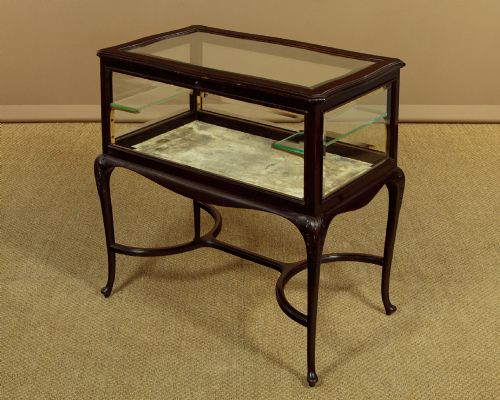
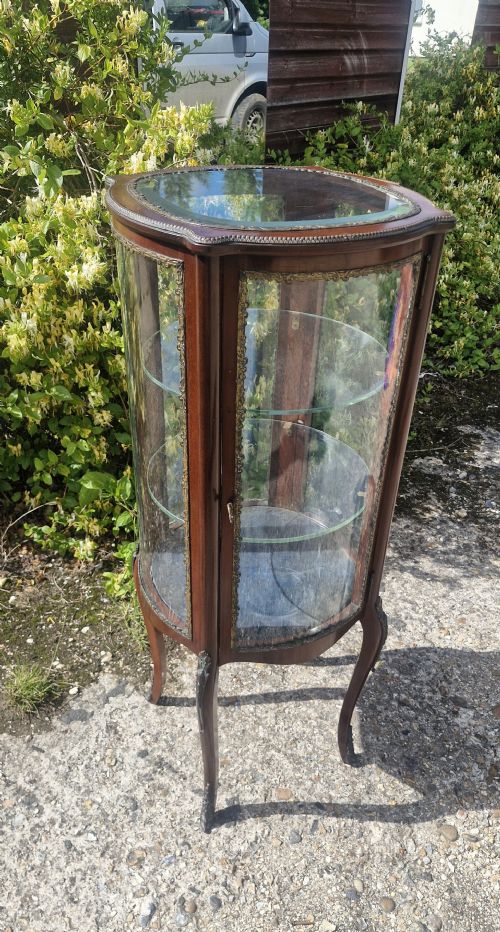


Edwardian Glazed Jewellery Cabinet
An edwardian glazed jewellery cabinet offers a tabletop view into small treasures, bringing elegance and organised display to domestic interiors.
Edwardian Glazed Jewellery Cabinet
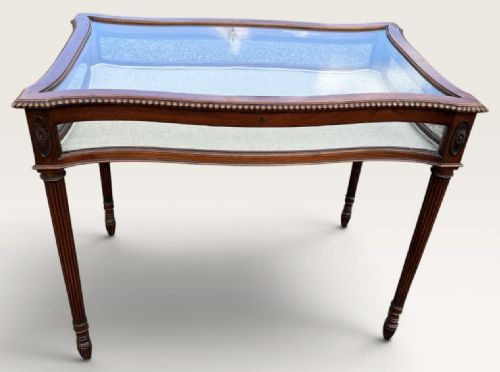
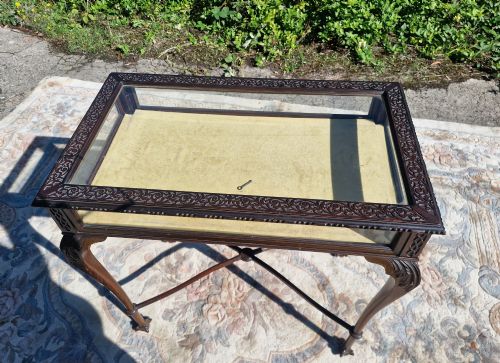
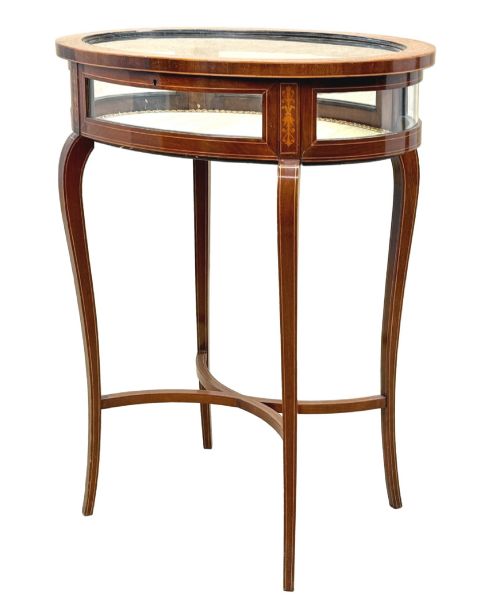
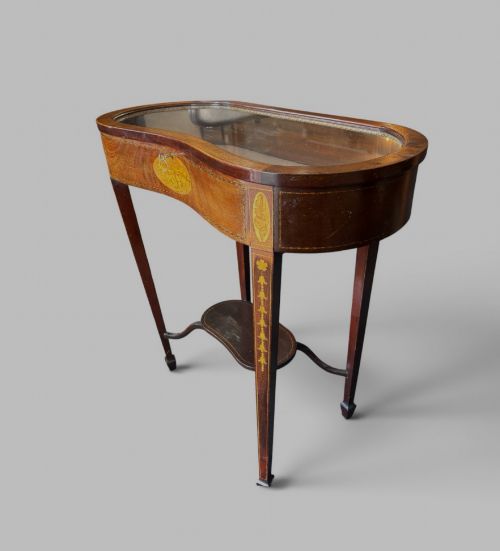
An edwardian glazed jewellery cabinet typically takes the form of a bijouterie table, display cabinet, or countertop vitrine designed to showcase small decorative objects. These pieces originate predominantly from the Edwardian period and the late nineteenth century, spanning various regional English and continental workshops.
Buyers most frequently encounter mahogany and satinwood inlaid display tables featuring glazed tops and velvet or fabric linings. Alternative forms include kidney-shaped, serpentine, octagonal, and oval tables alongside larger shop display counters and tabletop collectors cabinets.
Materials and Technique
Cabinet makers constructed these pieces primarily from solid mahogany, oak, and walnut, often applying fine satinwood veneers and intricate marquetry or crossbanding. Brass mounts, hinges, and gilt metal details provide structural accents and secure the glazed panels that enclose the display area.
Internal surfaces receive careful preparation with velvet or fabric linings designed to cushion delicate items. Glass is fitted neatly into hinged or sliding frames, allowing maximum visibility while protecting contents from dust.
One yew wood display table carries later sign writing for Breitling watches, hinting at a past life in a jeweller window.
Distinctions in Standard
The degree of refinement in timber selection and inlay work separates standard examples from finer productions. Crisp carving, precise satinwood inlay, and balanced proportions indicate superior cabinet making.
Hardware choice and joinery execution further distinguish the range. High quality pieces feature substantial brass mounts, tightly fitted glazed lids, and well preserved original fabric linings.
The Edwardian Glazed Jewellery Cabinet Glossary
- Bijouterie table
- A specialised display table featuring a glazed compartment intended for small ornaments, jewellery, and curiosities. These tables often stand on slender legs with hinged glass tops.
- Vitrine
- A glass cabinet or display case designed to protect and exhibit fragile objects and collections. They appear in both tabletop and freestanding formats.
- Marquetry
- Decorative woodwork where pieces of veneer are fitted into a ground to form geometric or floral patterns. This technique frequently adorns Edwardian tabletops.
- Crossbanding
- A border veneer applied around the edge of a panel with the grain running perpendicular to the centre. It creates a framed visual effect on cabinet tops.
Edwardian Glazed Jewellery Cabinet: Frequently Asked Questions
What were these cabinets used for?
These cabinets served to display valuable personal possessions, small trinkets, and collector items safely within domestic or retail settings. The glazed surfaces allowed owners or shop assistants to inspect contents without handling them.
Today, they function similarly in homes to showcase small collections of jewellery, medals, or miniatures while keeping them free from dust.
How do I date an Edwardian cabinet?
Dating relies on examining timber choices, construction methods, and decorative styles recorded in the period evidence. Edwardian pieces often combine mahogany with satinwood inlay and lighter structural proportions than earlier Victorian counterparts.
Reference points include hardware styles, dovetailing techniques, and accompanying key escutcheons which shifted from heavy cast brass to more refined mounts around the turn of the twentieth century.
How do I care for the fabric lining?
Original velvet or fabric linings require gentle surface cleaning with a soft brush to remove dust. Avoid moisture or chemical cleaners which can stain fragile historic textiles.
Direct sunlight should also be avoided to prevent the fading of both the internal fabric and the surrounding timber veneers.
Where should I place a display table?
These tables suit placement in drawing rooms, hallways, or studies where natural light enhances the glazed display area. Ensure they sit away from direct heat sources to protect timber joints and veneers.
Because many examples feature glass on multiple sides, positioning them where they receive ambient light from various angles works best for viewing contents.