
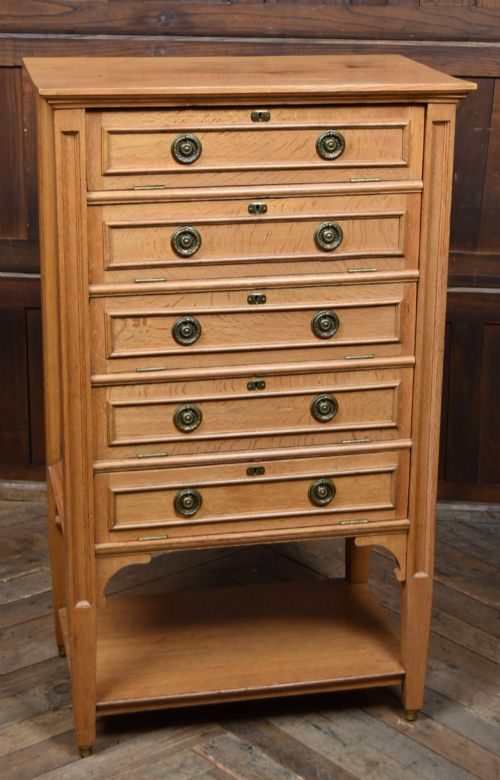

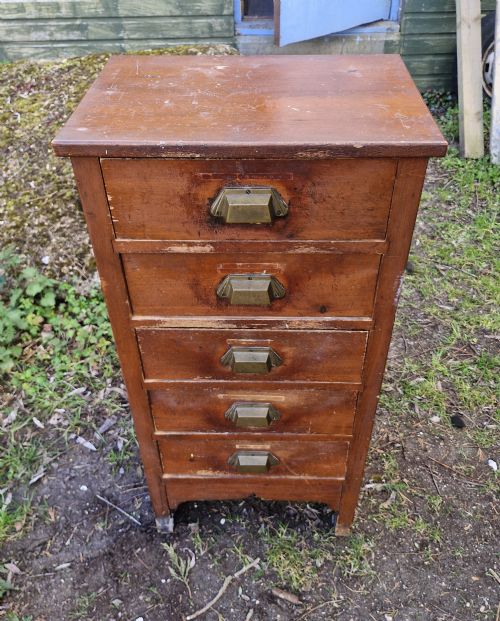


Edwardian Oak Collectors Cabinet
An Edwardian oak collectors cabinet is a functional piece designed to house small treasures, combining robust timber with practical drawer arrangements.
Edwardian Oak Collectors Cabinet
An edwardian oak collectors cabinet encompasses a variety of compact storage forms, including tabletop display pieces, multi-drawer office files, and specialised medical or watchmaker chests. Most examples originate from the Edwardian era and the early twentieth century, constructed primarily in solid oak.
Buyers frequently encounter variants with multiple small drawers, glass panels for display, or brass hardware. These items range from utilitarian office filing units to refined specimen chests suited for home display.
How They Were Made
Makers utilised solid oak alongside pine for internal secondary elements, mounting glass in doors or lids for visibility. Brass fittings such as handles, hinges, and key escutcheons provided functional durability and contrast against the timber.
Construction techniques prioritized utility and secure storage, incorporating closely fitted drawers and framed glazing. Selected pieces feature figured English oak to highlight the natural grain of the wood.
Listings feature oak alongside brass, glass, pine, fabric, and steel, spanning the Edwardian period through to industrial utility styles.
What Varies in Quality
Distinctions in quality often rest on the selection of timber, such as the choice of figured English oak versus plain utility boards. Superior construction is evident in the precision of the drawer joinery and the integrity of the original brass hardware.
The degree of preservation alters the character of each piece, distinguishing utilitarian items bearing heavy service wear from finely detailed display cabinets retaining original keys and glass.
Manoah Rhodes & Sons Ltd
The Edwardian Oak Collectors Cabinet Glossary
- Oak
- A hard, durable timber with a pronounced grain pattern, commonly used in the construction of Edwardian storage furniture.
- Brass
- A copper and zinc alloy utilised for handles, hinges, and escutcheons across office and display cabinets.
- Specimen cabinet
- A specialised storage chest fitted with multiple shallow drawers designed for organising small objects or natural history samples.
- Countertop display cabinet
- A glazed tabletop unit intended for retail presentation or private viewing of merchandise and collections.
Edwardian Oak Collectors Cabinet: Frequently Asked Questions
What were edwardian oak collectors cabinets used for?
These cabinets served to store and display small items, ranging from natural specimens and coins to office documents and medical tools. Their multiple drawers and glazed compartments kept contents organised and protected.
Over time, owners adapted them for various domestic and commercial sorting tasks, utilising the compartmentalized space for personal collections and everyday stationery.
How do I identify an edwardian piece?
Authentic Edwardian pieces typically feature construction methods and timber selections characteristic of the early twentieth century, alongside period brass hardware. Stylistic cues often align with the Arts and Crafts movement or utilitarian office design.
Examining internal secondary woods like pine and checking for period locks and keys helps confirm the era of manufacture.
Are these cabinets suitable for small spaces?
Many variants, including countertop display units and tabletop chests, possess modest footprints designed to fit restricted surfaces. Wall-mounted letter boxes and compact drawer sets offer vertical storage alternatives.
Their scale makes them practical for modern interiors requiring organised storage without occupying significant floor area.
How should I care for the oak surface?
Maintaining the timber involves dusting regularly with a dry cloth and occasionally applying traditional beeswax to nourish the oak grain. Avoiding direct sunlight and excessive moisture preserves the finish.
Gentle care ensures the brass fittings and wooden joints remain stable and secure through daily use.