
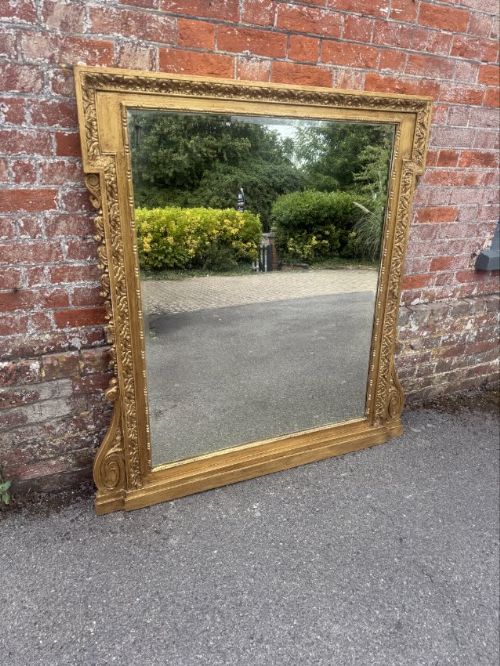
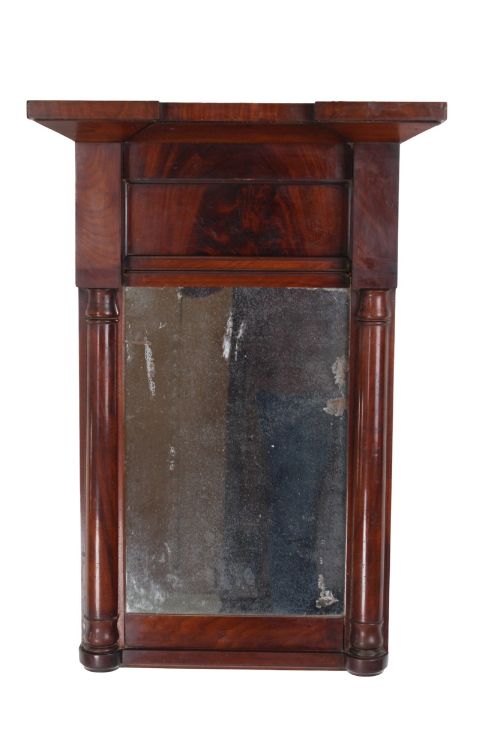
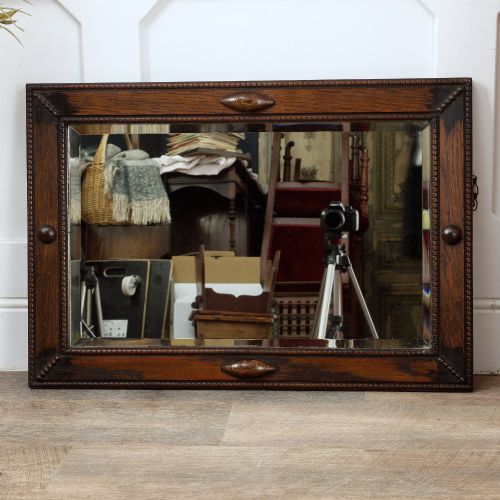
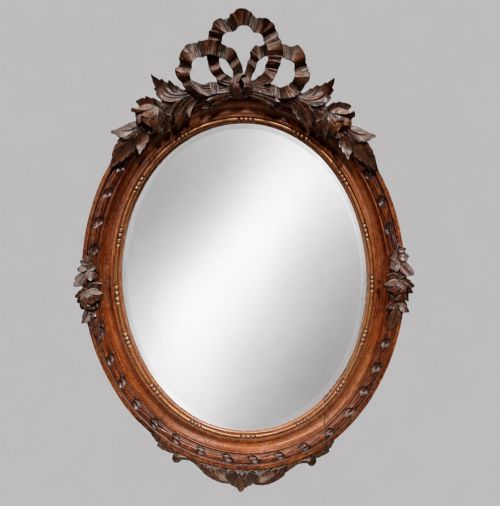
Edwardian Glass Wall Mirror
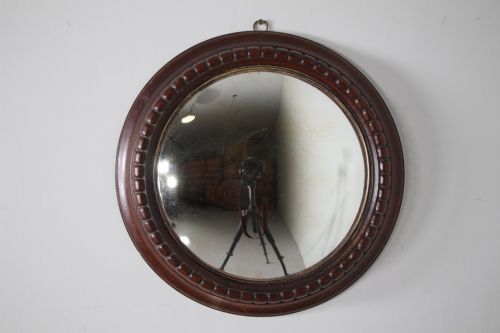
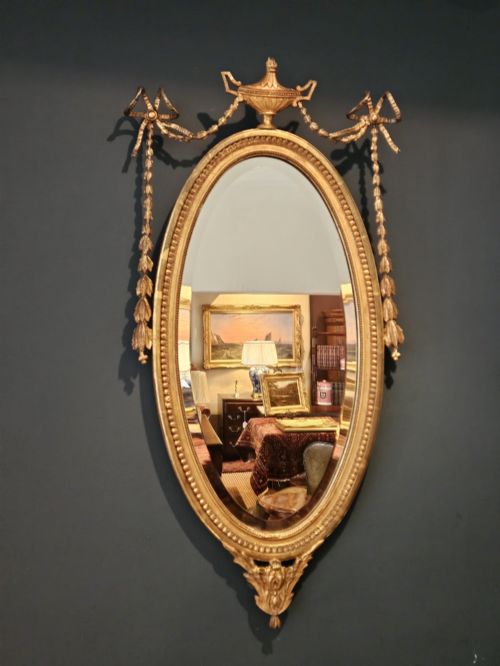
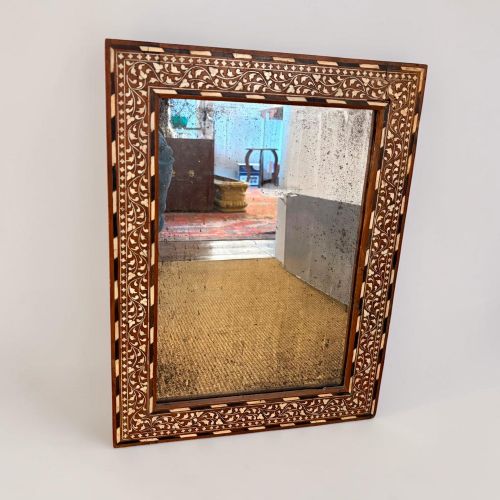
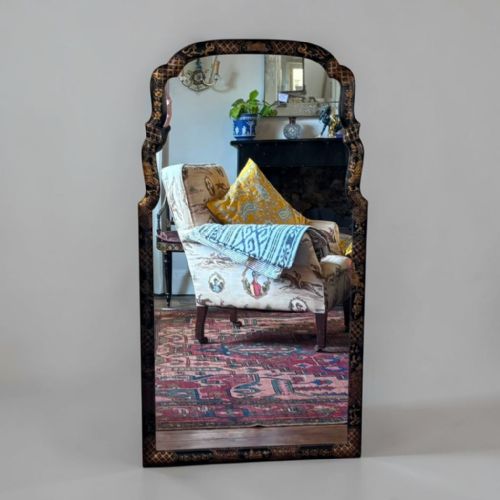
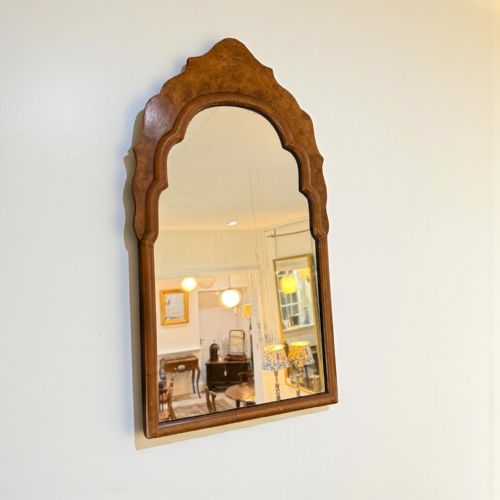
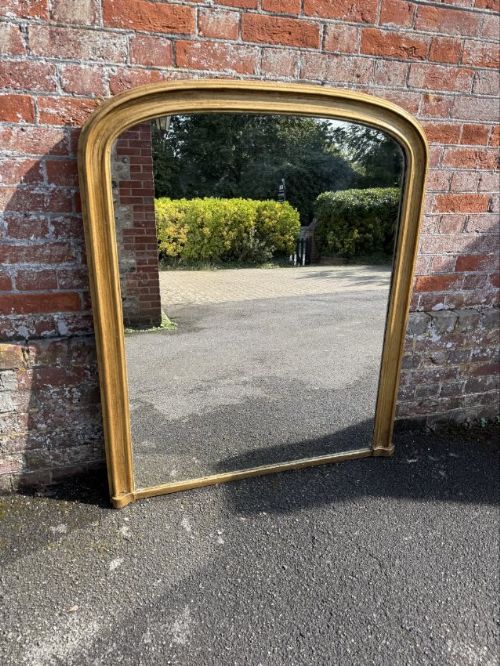
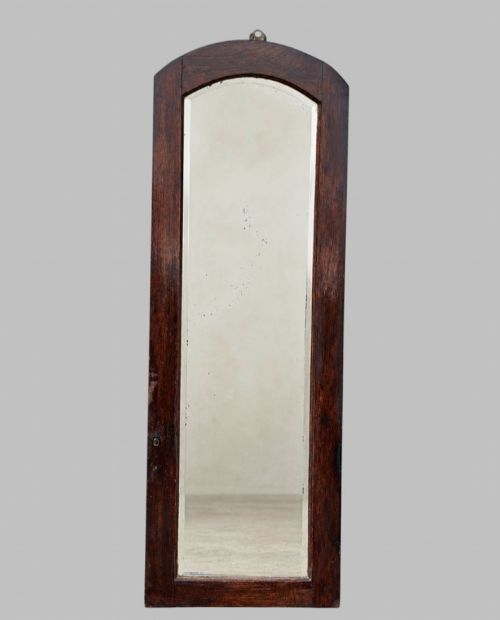
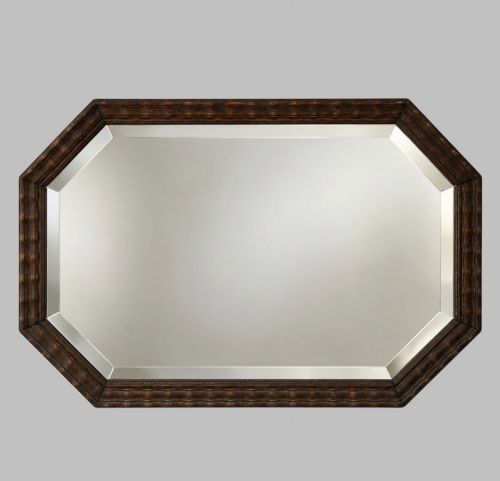
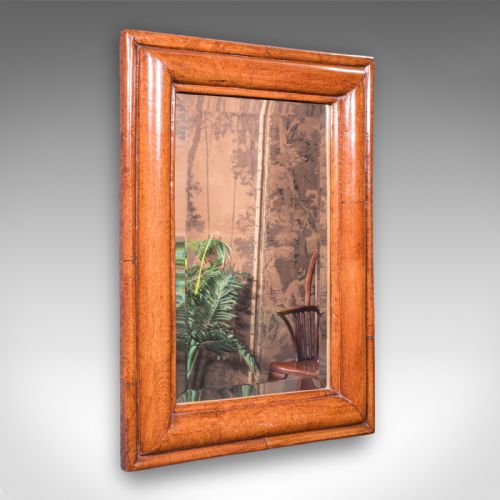
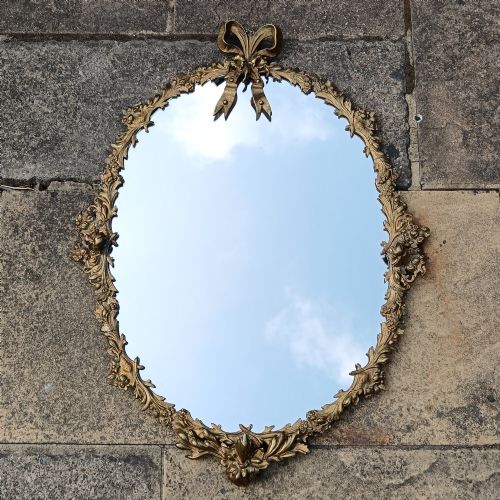
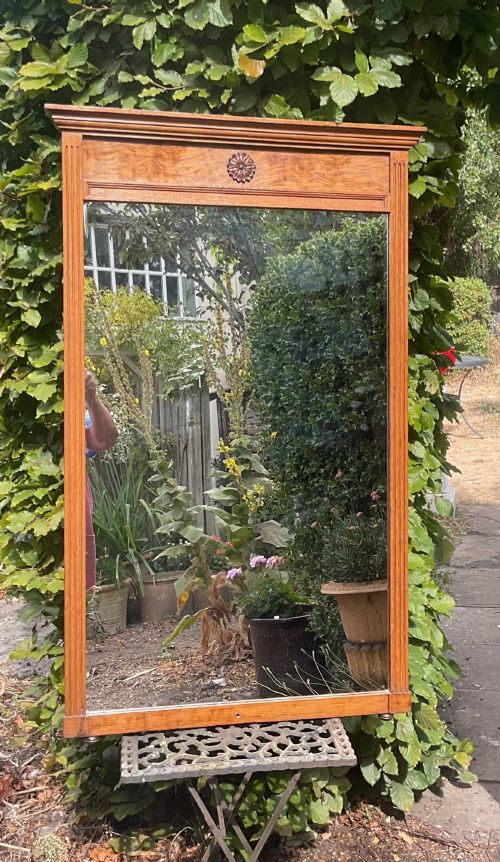
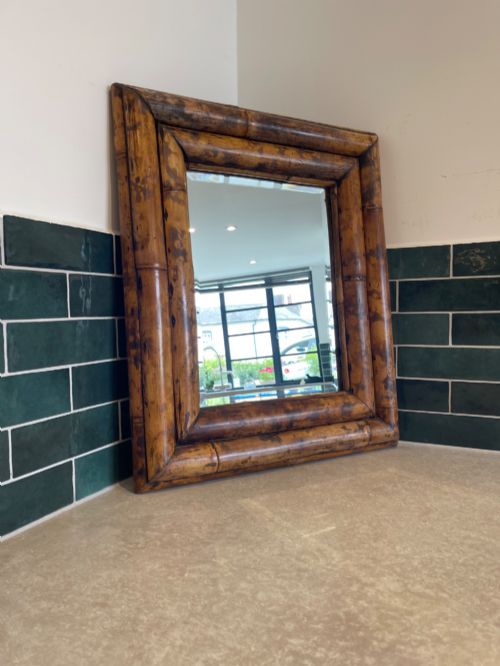
An edwardian glass wall mirror brings light and period character into a room through bevelled plates and timber frames.
Edwardian Glass Wall Mirror
When you search for an edwardian glass wall mirror, you encounter pieces designed for the home, shop or hallway during the early twentieth century and late nineteenth century. These items appear in forms ranging from simple oak frames to carved mahogany and inlaid rosewood.
The pieces you meet most often on this page date from the Edwardian period and the early twentieth century, alongside Victorian examples and revival styles. They serve practical and decorative functions, appearing as wall mirrors, overmantels, and pier glasses.
Origins span English workshops, continental makers, and commercial spaces, utilising materials like oak, mahogany, walnut, and giltwood. The selection reflects domestic utility and decorative arts from 1800 through the 1930s.
How They Were Made
Frames are constructed from solid and veneered timbers such as oak, mahogany, walnut, and rosewood, joined with traditional cabinetmaking techniques. Carved wood and gesso create relief ornament, while giltwood and gold leaf provide metallic sheen.
Mirror plates are typically set with bevelled edges, reflecting light across the room. Some older pieces retain original mercury glass plates, showing the subtle ageing characteristic of nineteenth-century silvering methods.
Fairground fun house mirrors from 1900 offer a dizzying reflection of Edwardian entertainment.
What Varies in Quality
Quality rests in the crispness of the carving, the integrity of the timber framing, and the depth of the bevel on the glass plate. Superior examples display careful joinery and well-preserved surface finishes.
The distinction between standard domestic pieces and finer items depends upon material selection, such as figured mahogany or marquetry inlay, and the retention of original silvering and backing boards.
Waring and Gillow
The Edwardian Glass Wall Mirror Glossary
- Bevelled glass
- A mirror plate with an angled edge ground down to create a framed border effect. This technique catches light and adds depth to the reflection.
- Overmantel mirror
- A large glass designed to hang above a fireplace mantelpiece. These pieces often feature arched tops and giltwood frames.
- Pier mirror
- A tall, narrow glass made to fit the wall space between windows. They frequently incorporate console tables or lower ledges.
- Mercury plate
- An early form of mirror silvering using a tin and mercury amalgam. It produces a characteristic mottled reflection in older pieces.
- Gesso
- A plaster-based mixture applied to wood frames before gilding. It provides a smooth surface for detailed carving and gold leaf application.
Edwardian Glass Wall Mirror: Frequently Asked Questions
What is original mercury glass?
Original mercury glass refers to mirror plates produced using a tin and mercury backing technique common before the modern silver nitrate process was adopted. This creates a soft, cloudy reflection with distinct dark spots and age foxing.
Finding mercury glass in an edwardian glass wall mirror indicates an earlier plate reused in a later frame, or a piece dating from the nineteenth century.
How should I clean antique mirror glass?
Clean mirror glass gently using a soft microfiber cloth and a mild, ammonia-free glass cleaner applied to the cloth rather than directly to the plate. This prevents liquid from seeping behind the bevelled edges and damaging the silvering.
Avoid harsh chemical sprays and abrasive materials that can scratch the glass surface or erode historical finishes on the surrounding timber frame.
How do I identify Edwardian style?
Edwardian mirrors often feature lighter timbers like oak and satinwood, simple geometric lines, or delicate inlay work. They frequently draw inspiration from earlier Georgian and Sheraton designs, avoiding the heavier darkness typical of mid-Victorian pieces.
The inclusion of bevelled glass plates and Arts and Crafts copper details also points toward this early twentieth-century period of manufacture.