





Edwardian Glass Jars
Edwardian glass jars are functional and decorative vessels defined by period silver mounts and cut crystal, sought after for dressing tables and dining rooms.
Edwardian Glass Jars
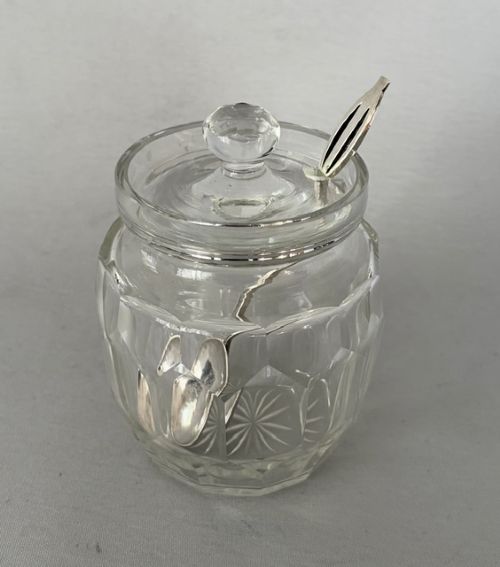
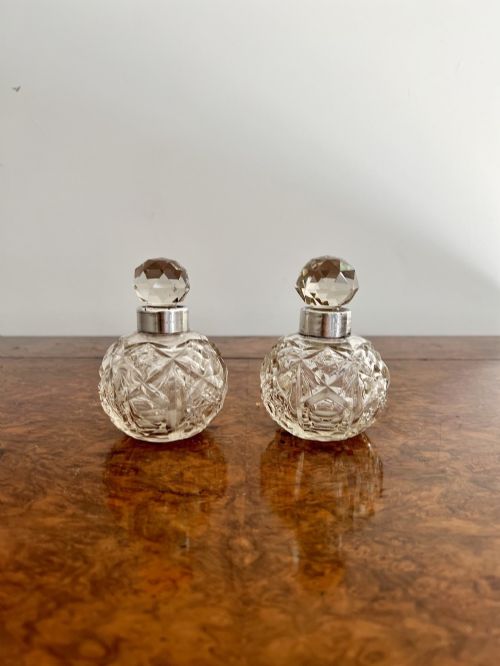
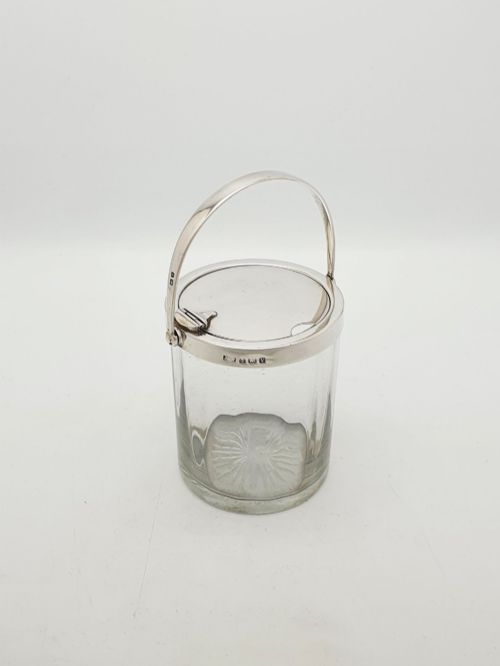
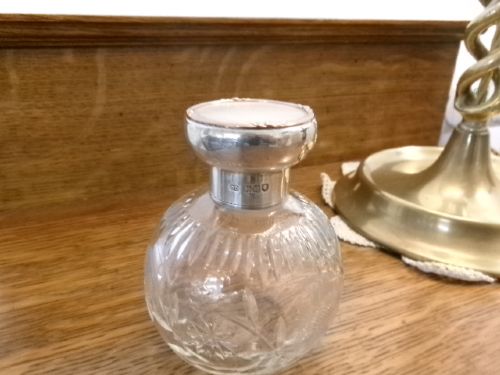
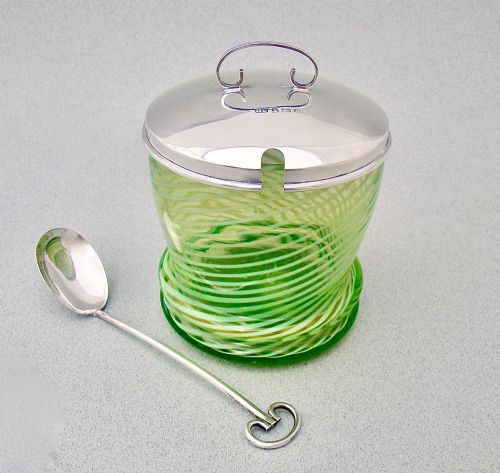
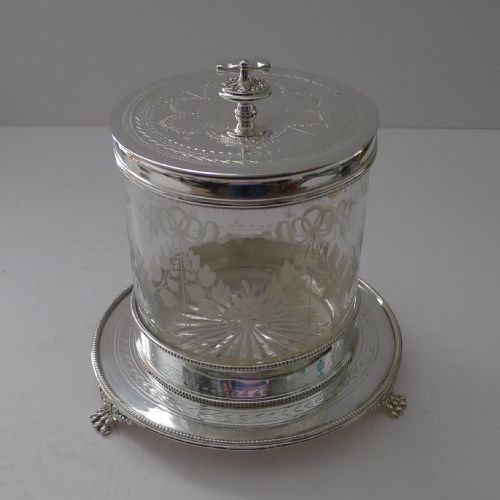
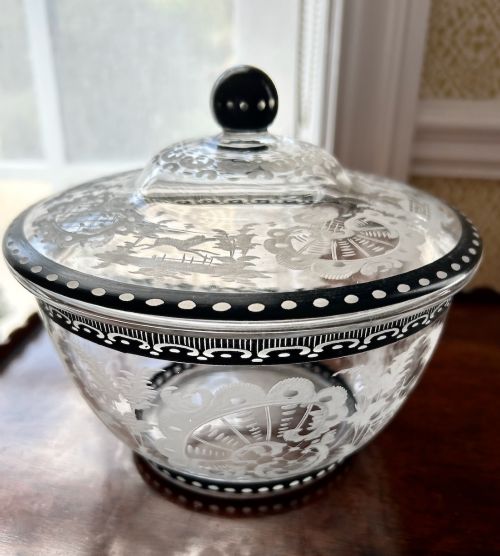
Edwardian glass jars encompass a diverse group of domestic containers, ranging from dressing table vanity jars and scent bottles to biscuit barrels and preserve pots. The phrase edwardian glass jars most frequently leads you to cut glass bodies fitted with sterling silver collars, screw tops, or hinged lids.
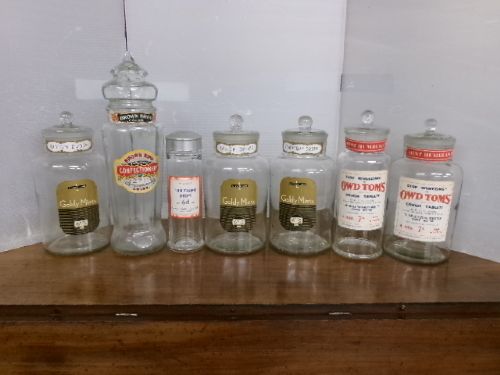
Beyond dressing table ware, the period production includes apothecary containers, display domes, and condiment jars that reflect the domestic habits of the early twentieth century. These items bridge utilitarian kitchen and pharmacy storage with refined bedroom elegance.
While the core of the inventory centres on objects made between the late Victorian era and the years following the First World War, examples also incorporate Arts and Crafts, Art Nouveau, and early Art Deco design sensibilities.
Materials and Construction
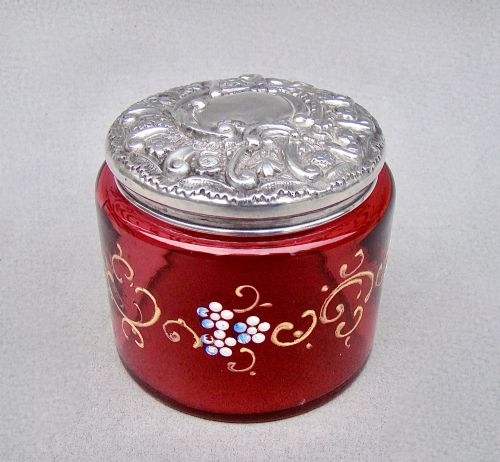
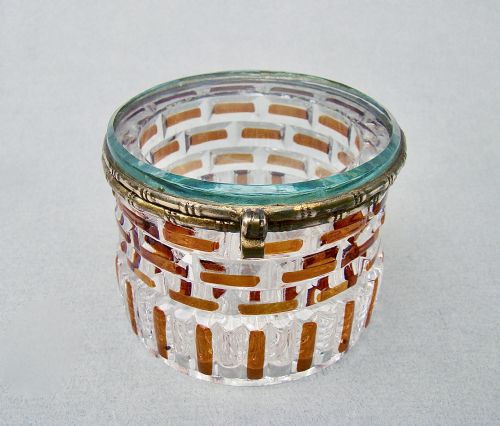
The primary bodies utilise heavy lead glass, frequently decorated with deep hobnail cutting, facet patterns, or colourful additions of cranberry, vaseline, and green glass. These glass vessels are paired with sterling silver or silver-plated mounts, often stamped with hallmarks that record the assay office and year.
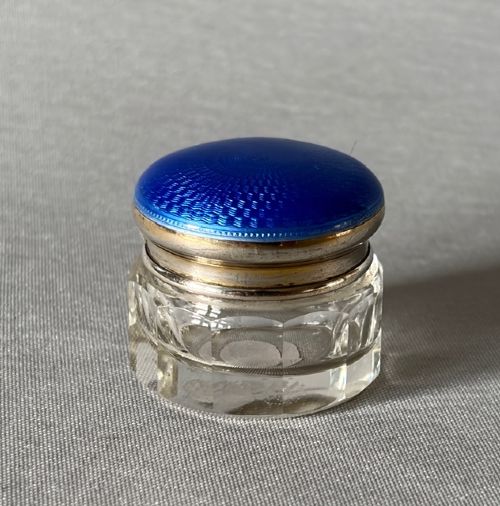
Many lidded examples incorporate supplementary media such as vitreous enamel, Connemara marble, hand-painted porcelain plaques, or gold leaf accents. Maker workshops combined glassblowing and heavy crystal cutting with silversmithing techniques to secure tight screw caps, hinged lids, and decorative collars.
Edwardian Glass Jars Retail Price Guide 2026
Typical asking prices for edwardian glass jars among the pieces listed under this phrase on Sellingantiques today, from the lower quarter to the upper quarter. They describe what is for sale here now, not the wider market.
Materials documented across the inventory include cranberry glass, vaseline glass, Connemara marble, and vitreous enamel.
Assessing Quality and Merit
The distinction between standard domestic items and the top of the range rests on the weight of the crystal, the crispness of the wheel-cut facets, and the presence of fully hallmarked sterling silver mounts rather than silver plate. Elaborate decoration, such as guilloche enamel work or custom silversmith designs, elevates individual pieces.
Completeness dictates value and collectability, particularly where original matching silver spoons, glass liners, inner stoppers, or designated presentation cases remain intact. The integration of specialty glass colours like cranberry and vaseline, combined with documented maker attributions, separates common containers from notable studio examples.
Deakin & Sons·George Unite·Mappin & Webb·Hukin and Heath·A. Bromet & Co·Hasset & Harper
The Edwardian Glass Jars Glossary
- Hobnail cut
- A sharp, geometric pattern of protruding square-topped pyramids cut into the surface of heavy crystal. This technique increases light refraction and provides a tactile grip.
- Cranberry glass
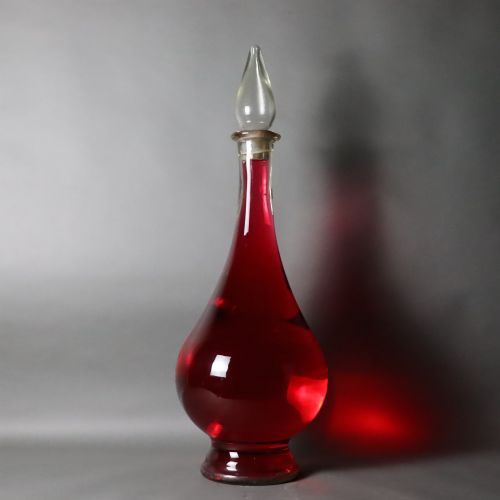
- A transparent red glass produced by adding gold chloride to the molten batch. It gained immense popularity for decorative tableware and vanity pieces.
- Hallmark
- A series of official stamps applied to silver mounts indicating the maker, assay office, standard of purity, and year of testing. These marks provide definitive historical dating.
- Vanity jar
- A small lidded container designed for dressing tables to hold cosmetics, pins, or trinkets. They almost invariably feature precious metal lids.
- Carboy
- A large, bulbous glass bottle traditionally used for holding liquids in bulk. Apothecary versions served as trade displays in chemists' windows.
Edwardian Glass Jars: Frequently Asked Questions
How were these glass jars originally used?
These vessels served diverse domestic functions, from storing biscuits and preserves in the dining room to holding perfumes, bath salts, and cosmetics on bedroom dressing tables.
Larger variants functioned as apothecary containers or display domes for preserving delicate items, while smaller lidded pots secured personal trinkets and pins.
How do I clean silver mounts on old glass?
Keep silver polish away from the glass surface and avoid submerging pieces that have cement-secured collars or delicate enamel elements in liquid.
Use a soft, dry cloth for the glass and a dedicated silver cloth applied gently around the hallmarks to preserve the natural patina.
Are original inner stoppers important?
Original glass stoppers or inner linings greatly enhance the integrity and utility of scent bottles and preserve jars.
Finding a piece with its matching component confirms that the ensemble remains complete and unaltered from its original manufacture.
How can I tell Edwardian glass from Victorian?
Edwardian pieces often feature lighter, airier aesthetics influenced by Art Nouveau and Arts and Crafts movements, contrasting with heavier Victorian designs.
Examining the silver hallmarks provides the most reliable dating method, directly revealing the exact year of manufacture and assay office.