



Edwardian Glass Flower Vase
These edwardian glass flower vase examples combine brilliant coloured glass and bright metal mounts, bringing period elegance directly to your table.

Edwardian Glass Flower Vase
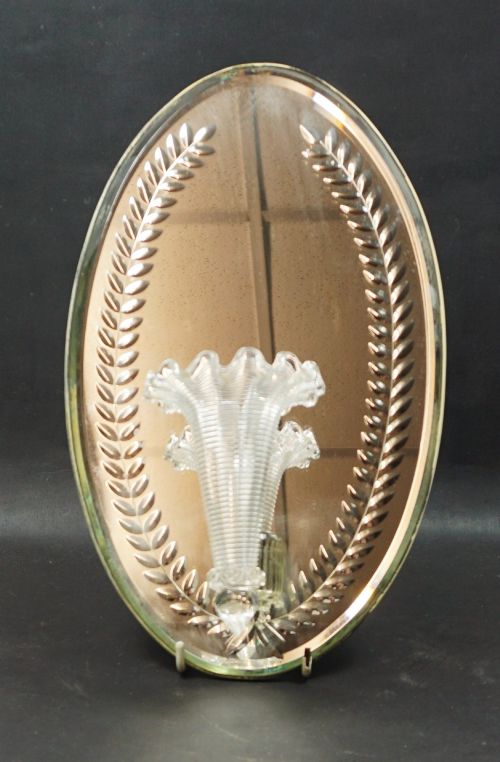
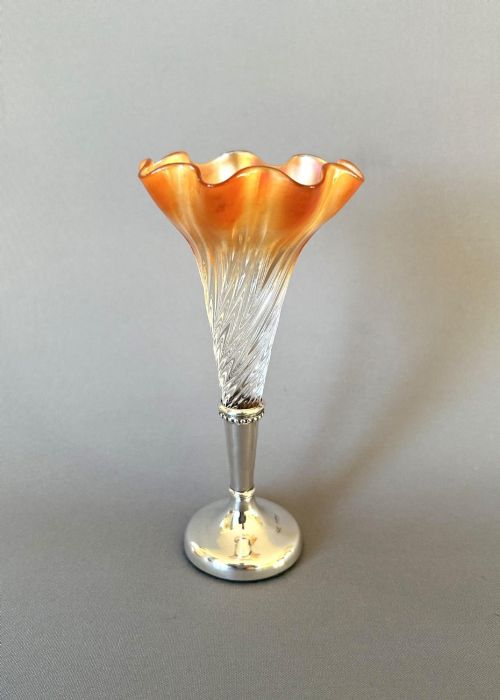
When you search for an edwardian glass flower vase, you find vessels designed to display single blooms, lilies, or elaborate arrangements. The forms span tall crystal flutes, spill vases with silver bases, and wide centrepieces intended for dining tables.
You are most likely to meet pieces shaped by the aesthetic tastes of the early twentieth century, alongside earlier Victorian examples and later iterations. Makers utilised glass and silver plate to create functional ornaments that anchor a room.
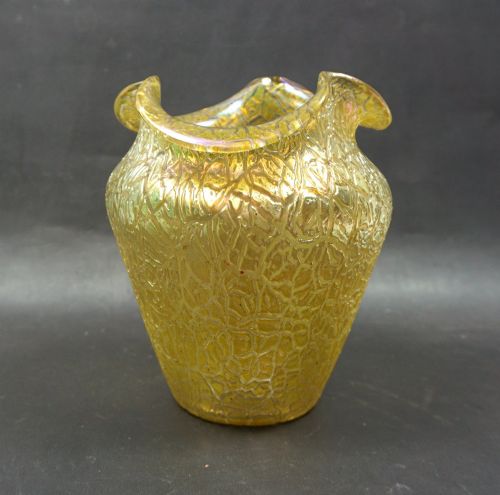
The selection includes tall blown glass vessels with delicate trails, iridescent finishes, and silver mounts bearing hallmarks from assay offices like Chester. Each object reflects the domestic habits of households that valued fresh flowers in every principal room.
How they were made
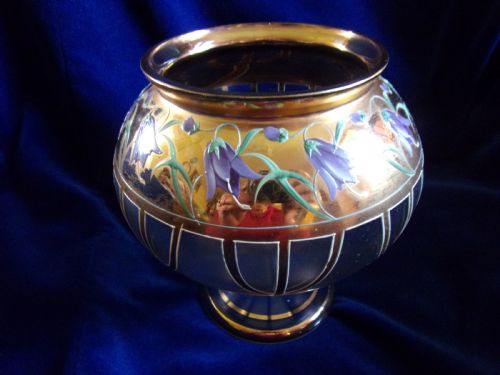
Glassmakers employed techniques such as optical blowing, cameo carving, and hot-working to shape clear, cranberry, and iridescent glass. Artisans added white cane decoration and pink trails while the metal was hot, or applied enamelled and gilded patterns to the cooled surface.
Silversmiths constructed mounts, collars, and weighted bases from sterling silver and silver plate to secure the glass inserts. Hallmarks stamped into the metal record the year of assay and the workshop responsible for the fittings.
Edwardian Glass Flower Vase Retail Price Guide 2026
Typical asking prices for edwardian glass flower vase among the pieces listed under this phrase on Sellingantiques today, from the lower quarter to the upper quarter. They describe what is for sale here now, not the wider market.
Listings feature glass, sterling silver, and silver plate across Victorian, Edwardian, and Art Nouveau periods.
What varies in quality
Quality rests in the weight of the crystal, the precision of the cut glass facets, and the fluidity of the blown form. Pieces with complex cameo work or original silver mounts display a higher degree of artisan skill.
The integration between the glass vessel and its metal base distinguishes standard production from finer examples. Heavier sterling silver mounts and intact glass liners indicate superior original commissioning.
Loetz·James Powell·Emile Gallé
The Edwardian Glass Flower Vase Glossary
- Cranberry glass
- A rich red-pink glass coloured with gold chloride during production. It appears frequently in nineteenth and early twentieth-century tableware.
- Spill vase
- A tall, slender vessel originally designed to hold wooden spills used for lighting fires and candles. They later served primarily as single-stem flower holders.
- Epergne
- A large table centrepiece featuring a central basket flanked by smaller hanging or standing vases. These pieces created multi-tiered displays for fruit or flowers.
- Silver plate
- A thin layer of silver fused to a base metal core such as copper or Britannia metal. It provided the appearance of solid silver at a lower cost.
- Optically blown
- A glassblowing technique where molten metal is inflated inside a patterned mould to create uniform ribs or ripples. This process adds texture and strength to the vessel wall.
Edwardian Glass Flower Vase: Frequently Asked Questions
What is an edwardian glass flower vase?
It is a decorative vessel made primarily during the early twentieth century, combining glass bodies with metal mounts or intricate surface decoration.
These pieces were used in domestic interiors to hold cut flowers on dining tables, mantelpieces, and sideboards.
How do I clean an edwardian glass flower vase?
Wash the glass gently in warm water with mild soap, avoiding harsh abrasives that might damage enamel or iridescent surfaces.
Punch polished metal parts separately with a soft cloth to protect silver plate and sterling silver mounts from excessive wear.
Are these vases marked with dates?
Many silver-mounted examples bear hallmarks that indicate the assay office and the exact year of production. Unmounted glass vessels rely on stylistic evidence and known maker signatures for dating.
Examining the pontil mark and base wear helps confirm the period of manufacture.
Can I use these vases for fresh flowers?
Yes, they were designed specifically to hold water and fresh stems for daily household display. Care should be taken with antique glass to avoid sudden temperature changes when filling them.
Using a soft brush inside narrow flutes helps clean mineral deposits safely.