



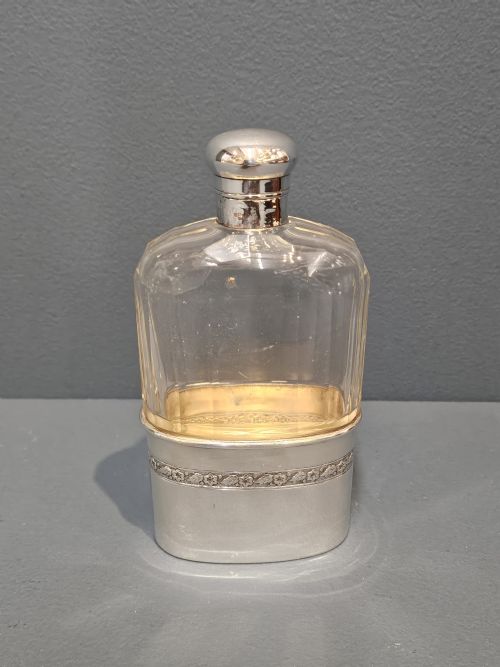


Edwardian Glass Flask
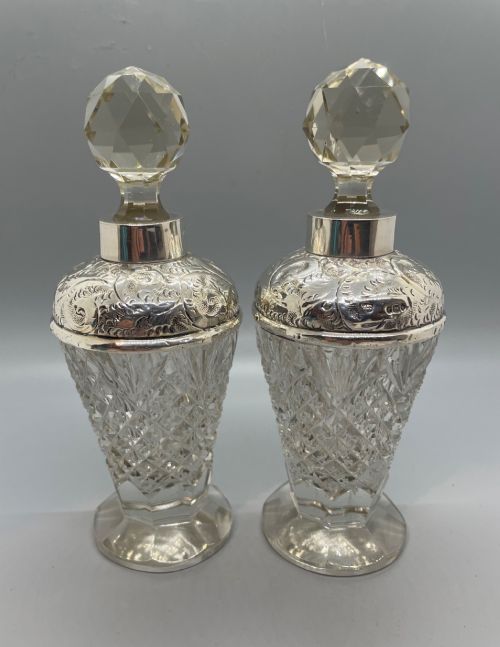
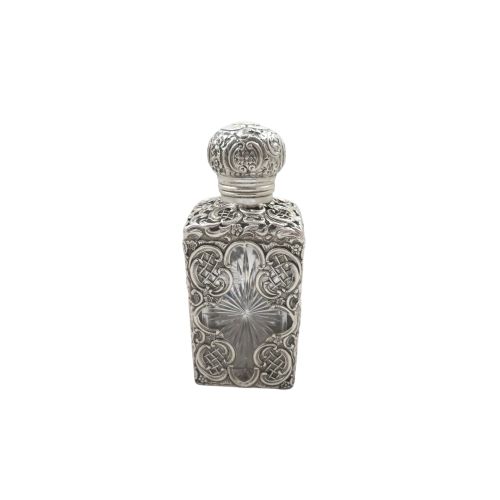
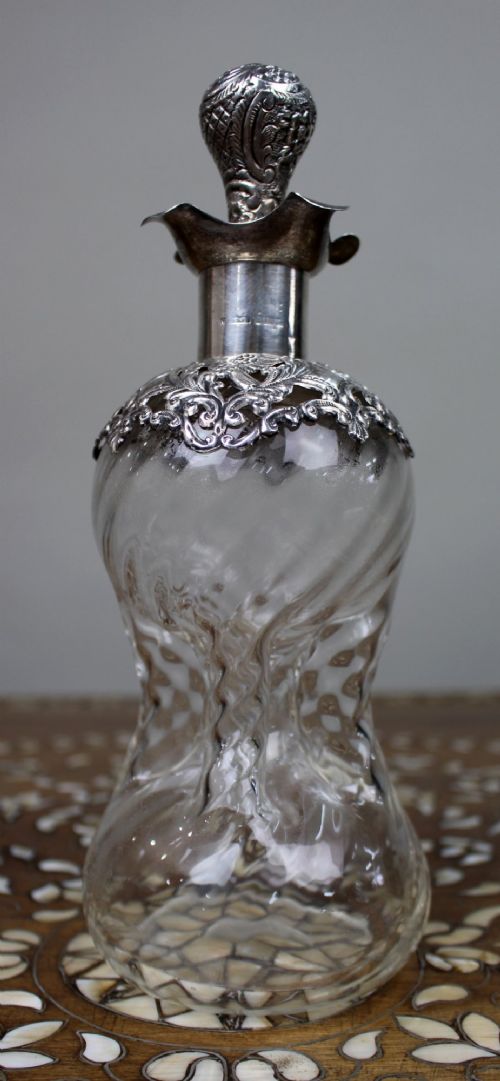
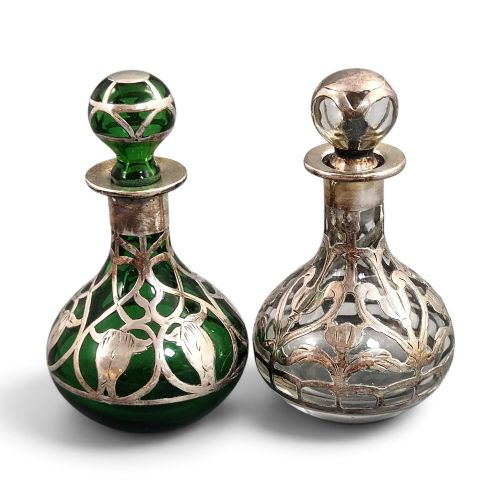
These edwardian glass flask pieces combine practical spirit storage and vanity bottles with fine metal mounts.
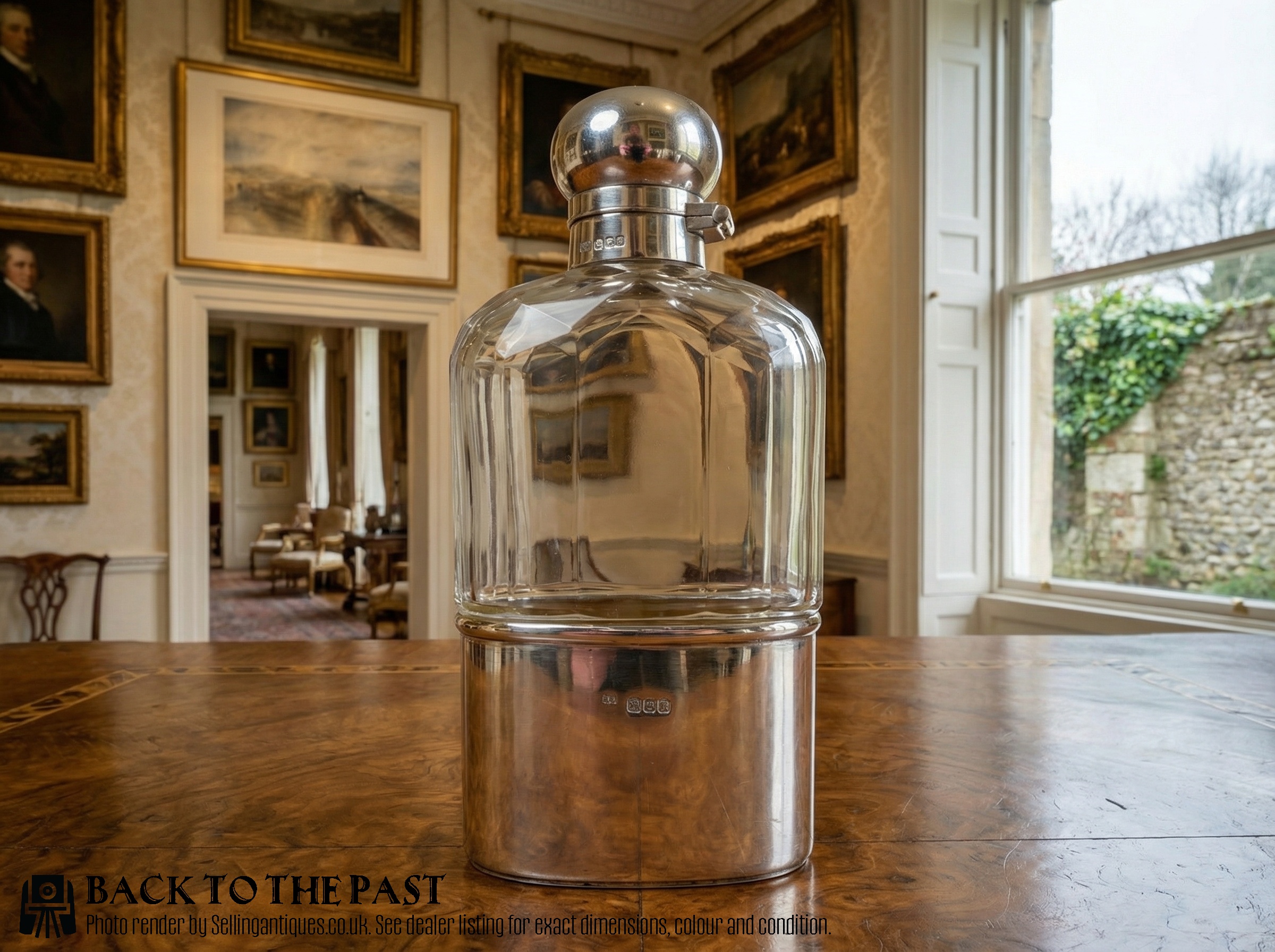
Edwardian Glass Flask
An edwardian glass flask encompasses both pocket-sized drinking vessels and dressing table scent bottles housed in glass and metal. Buyers discover pieces spanning hip flasks, decanters, and perfume bottles produced across the turn of the twentieth century.
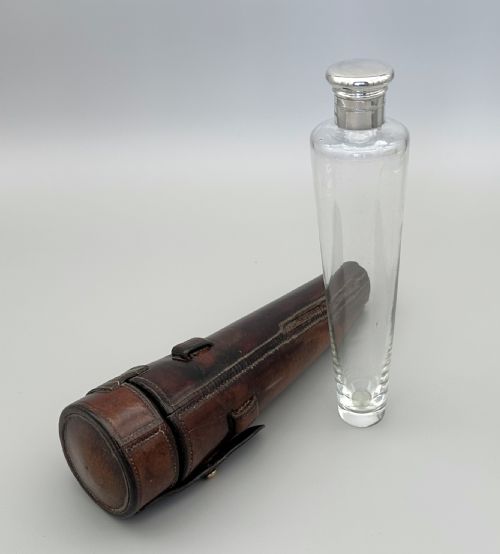
The material combinations merge clear or coloured glass bodies with sterling silver, silver plate, leather, and enamel. Many examples retain fitted leather cases or original carrying hardware intended for travel and field sports.
While the label edwardian defines the core era, related items arrive from adjacent periods including the late Victorian years, George V reigns, and the 1920s. Form follows function, ranging from pocket curves to barware decanters.
How they were made
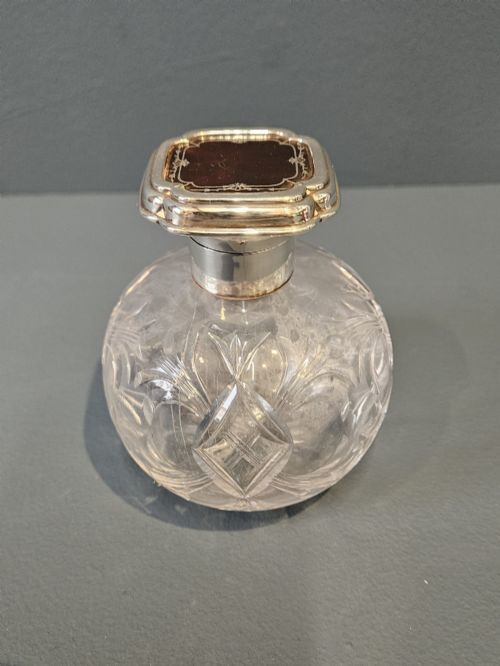
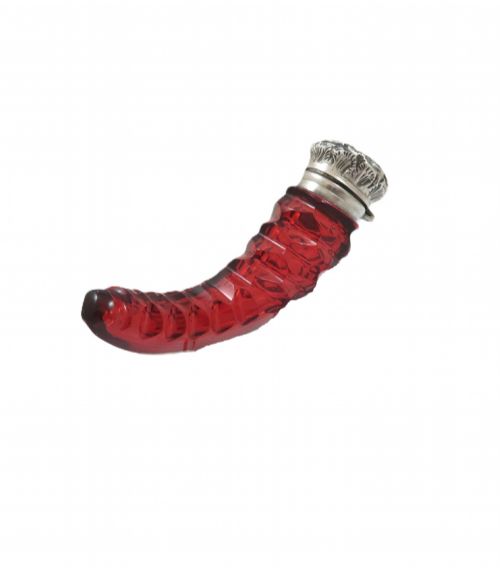
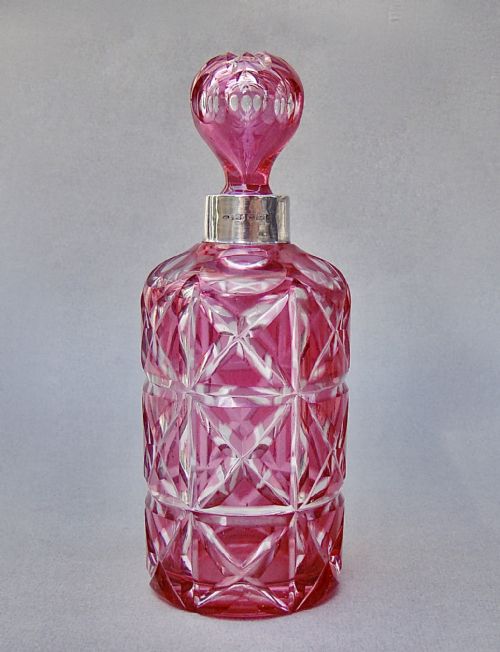
Glass bodies were formed through heavy cutting, moulding, or blowing, yielding deep facets on decanters and smooth or icicle profiles on scent bottles. Coloured variants utilised cranberry or ruby glass matrices.
Mounts, lids, and overlays utilised sterling silver or silver plate, frequently worked with hammered finishes, floral engravings, or Art Nouveau whiplash motifs. Enamel work, guilloche patterns, and leather sleeves completed the outer housings.
An owl-shaped scent bottle proves that Edwardian makers enjoyed serving spirits and perfumes from the heads of nocturnal birds.
What varies in quality
Superior items display crisp, deep cutting in the glass coupled with heavy-gauge silver mounts bearing clear hallmarks. Lesser examples feature thin plating, plain glass, or replacement caps that lack maker marks.
The integration of secondary materials dictates overall worth, where intact crocodile leather cases, guilloche enamel panels, or overlay silver work elevate the object. Condition remains paramount, distinguishing pristine crystal and tight mountings from heavy wear.
Harold Bushell and Co·Barnsley and Co·W A Ellwick Ltd·Mosley Flowers and Co
The Edwardian Glass Flask Glossary
- Cut Glass
- Glass shaped by abrasive wheels to create geometric facets that catch the light. This technique provides weight and brilliance to decanters and heavy scent bottles.
- Cranberry Glass
- Transparent red glass coloured with gold chloride during the melting process. It appears frequently in Edwardian perfume bottles and barware.
- Guilloche Enamel
- Decorative metal surface covered with translucent enamel over a machine-turned engraved pattern. It brings colour and texture to bottle caps.
- Sterling Silver
- An alloy containing 92.5 percent silver by mass, used for hinged caps, collars, and protective overlays. Hallmarks stamped into the metal reveal the assay office and date.
- Silver Overlay
- Molten or sheet silver applied directly onto a glass surface in intricate decorative patterns. The metal bonds to the vessel before final engraving.
Edwardian Glass Flask: Frequently Asked Questions
What is an edwardian glass flask?
These pieces comprise portable drinking vessels and dressing table bottles made from glass and mounted in silver or leather. They served travellers, sportsmen, and domestic households during the early twentieth century.
Survival rates are high due to robust construction materials like cut crystal and sterling silver caps. Collectors prize them for their dual utility and decorative metalwork.
How do I identify an edwardian piece?
Look for hallmarks stamped on the silver mounts, which indicate the assay office and year of production. stylistic cues like Art Nouveau curves or heavy cut glass also point toward the era.
Many items feature registration numbers or maker stamps that narrow down the manufacturing decade. Comparing the glass weight and mount thickness helps confirm authenticity.
Were these used for travel?
Many examples were built specifically for journeys, featuring captive caps that prevented spills and leather cases for protection. Campaign flasks and saddle flasks attached easily to riding gear or luggage.
Other variants remained stationary on sideboards as spirit decanters or rested on dressing tables as perfume holders. The inclusion of original cases often signals field use.
How should I clean the glass?
Wash the glass gently with warm soapy water and a soft bottle brush to remove internal residue without scratching. Avoid submerging leather-covered items or soaking antique enamel mounts in water.
Silver parts require occasional polishing with a non-abrasive cloth to maintain their lustre. Care must be taken around fragile hinged lids and glass stoppers.