


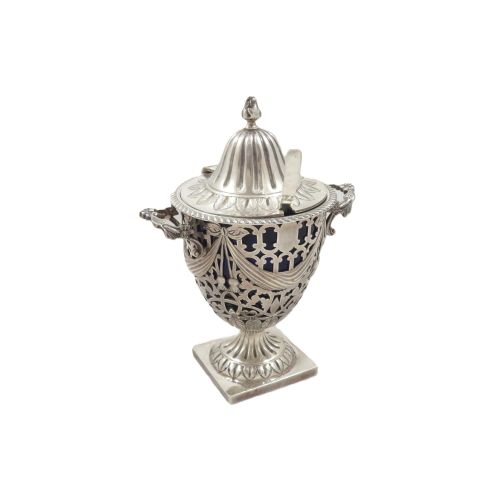


Edwardian Glass Bowl Lid
These edwardian glass bowl lid pieces bring refined functionality to dressing tables and dining rooms, combining practical lidded storage with period charm.
Edwardian Glass Bowl Lid
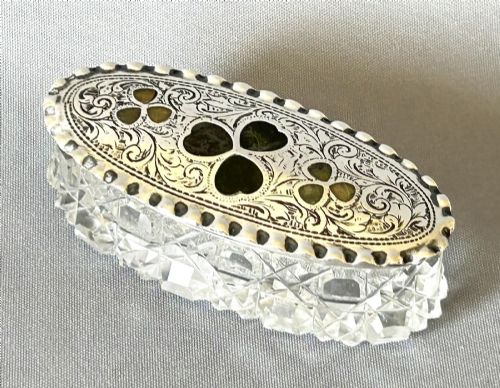
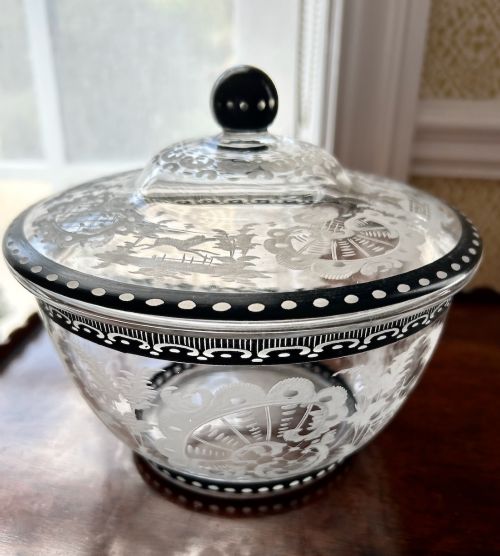
When you search for an edwardian glass bowl lid, you uncover a selection of lidded glass vessels primarily functioning as trinket boxes, vanity jars, sugar bowls, and decorative bowls. The listings show these pieces emerging predominantly from the Edwardian and Victorian eras, extending into the early twentieth century.
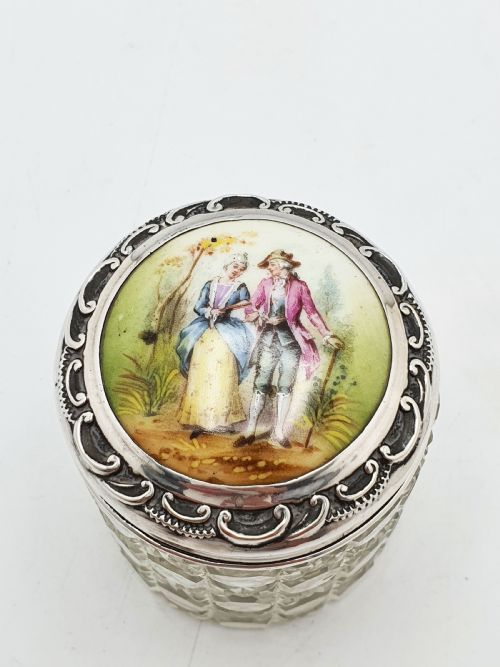
You meet a variety of forms here, ranging from small trinket pots to large punch bowls and sugar baskets. Glass bodies appear alongside sterling silver, enamel, and tortoiseshell components, reflecting the diverse domestic uses of the period.
Materials and Techniques
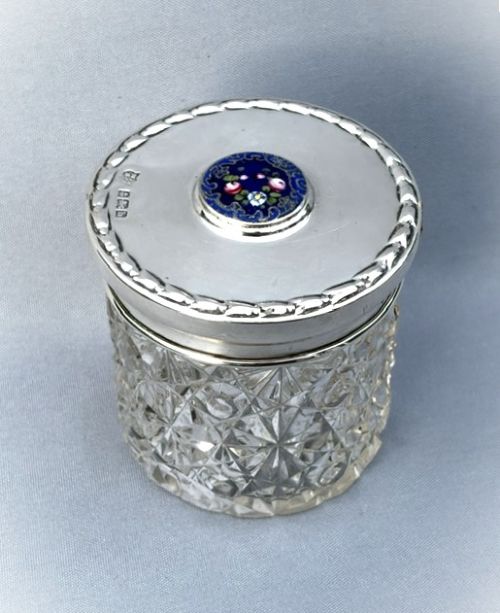
Makers shaped these items using cut glass and crystal, often pairing the transparent bodies with sterling silver lids and rims. Engraved detailing and faceted cutting give the glass a textured surface.
Enamel and tortoiseshell provide contrasting colours and textures on the fitted lids of vanity jars and trinket boxes. Birmingham assay marks and silver hallmarks frequently anchor the metal components to specific production years.
Edwardian Glass Bowl Lid Retail Price Guide 2026
Typical asking prices for edwardian glass bowl lid among the pieces listed under this phrase on Sellingantiques today, from the lower quarter to the upper quarter. They describe what is for sale here now, not the wider market.
The listings on this page span the Victorian and Edwardian periods through to the nineteen-twenties, incorporating cut glass, sterling silver, enamel, and tortoiseshell.
Judging Quality
Depth and crispness of the glass cutting separate standard utility items from finer display pieces. Sharp facets catch the light cleanly, whereas softer edges suggest simpler production methods.
The integration between the glass vessel and its fitted silver, enamel, or tortoiseshell lid dictates the overall refinement of the object. Securely mounted metal collars and intact enamel work elevate the stature of an individual piece.
The Edwardian Glass Bowl Lid Glossary
- Cut glass
- Glass shaped and patterned by abrasive wheels and polishing stones. This technique creates deep facets and geometric designs across the surface of bowls and jars.
- Sterling silver
- An alloy containing ninety-two point five percent silver by mass, standardly used for the lids, rims, and swinging handles found on these vessels.
- Tortoiseshell
- The mottled brown and amber keratin shell of certain turtle species, applied as decorative panelling to silver-mounted trinket boxes and vanity jars.
- Assay mark
- A stamp or group of stamps impressed onto silver components to indicate the standard of purity and the location of testing, such as Birmingham.
- Pot pourri
- A mixture of dried plant materials scented with spices, traditionally held within lidded decorative baskets and pierced containers.
Edwardian Glass Bowl Lid: Frequently Asked Questions
What were glass bowl lids used for?
These lidded vessels served various domestic functions, from holding sugar on the dining table to storing cosmetics and small trinkets on bedroom dressing tables.
Larger variations also functioned as punch bowls or pot pourri containers, keeping contents contained while displaying the decorative cut glass.
How do I date an Edwardian glass piece?
Dating relies heavily on accompanying silver mounts, which frequently carry Birmingham hallmarks and year letters corresponding to the early twentieth century.
Stylistic markers such as Edwardian proportions and early twentieth-century cutting patterns further help place the item within its historical period.
Can I use these bowls for food?
Many of these vessels, such as sugar baskets and punch bowls, were originally designed for culinary use during the Victorian and Edwardian periods.
However, pieces featuring delicate tortoiseshell, enamel, or silver components require careful handling and are more commonly displayed rather than used daily.
What is the difference between cut glass and crystal?
Cut glass refers to vessels shaped with mechanical wheels to create decorative facets, a technique widely applied across the listed vanity jars and bowls.
Crystal contains lead oxide, which increases the weight, refractive index, and clarity of the glass compared to standard soda-lime alternatives.