
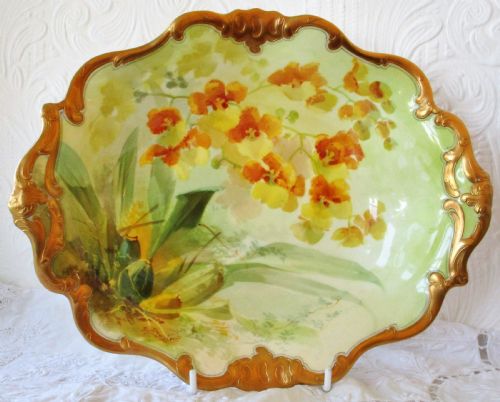
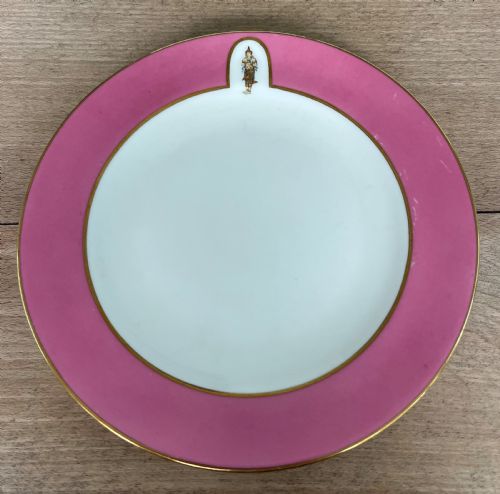
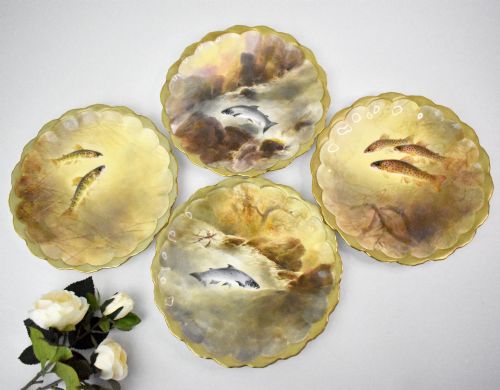


Edwardian Gilt China Plate
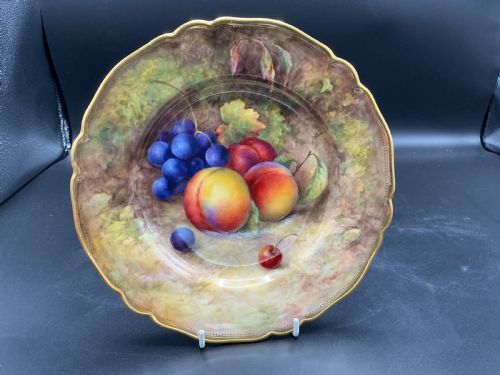
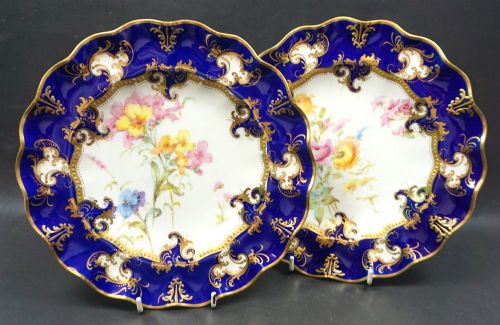
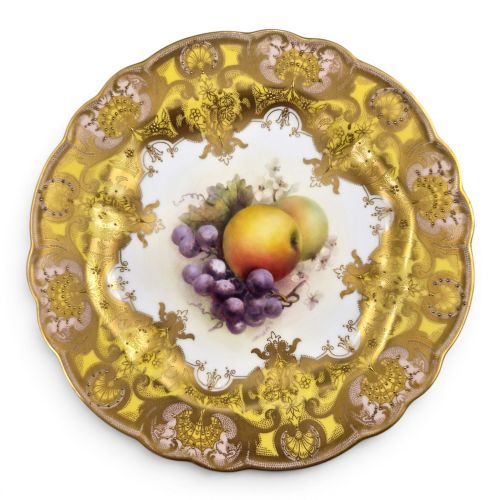
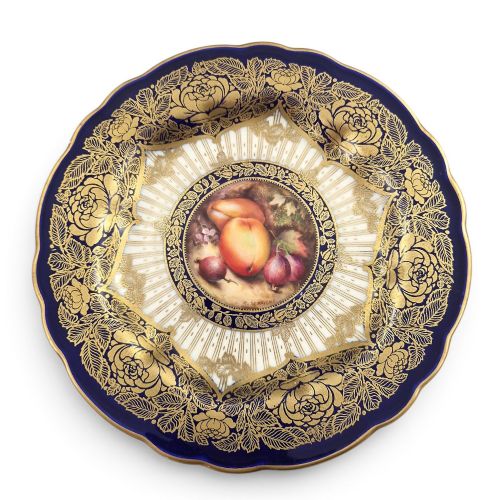
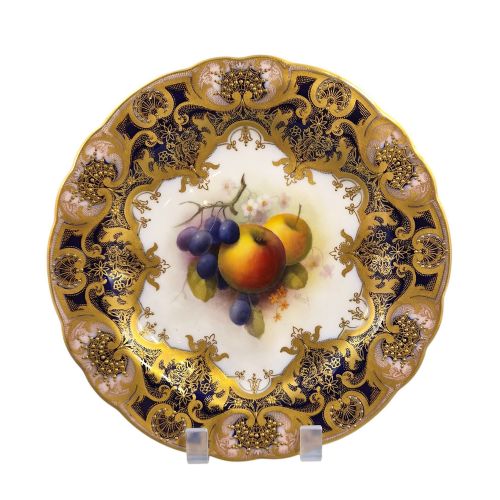
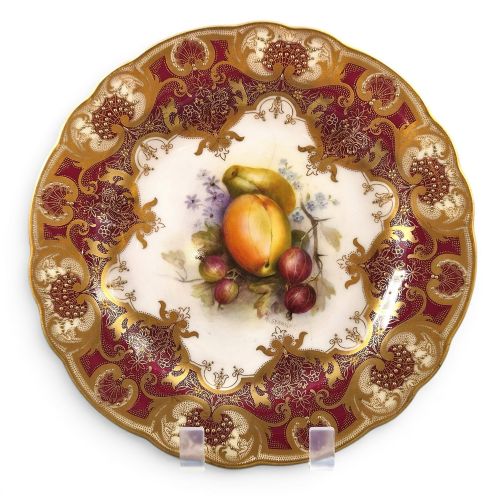
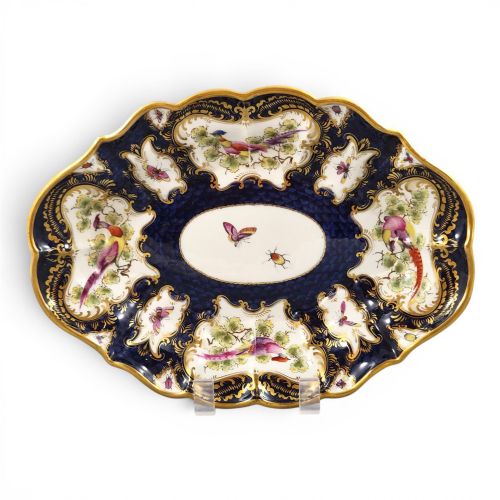
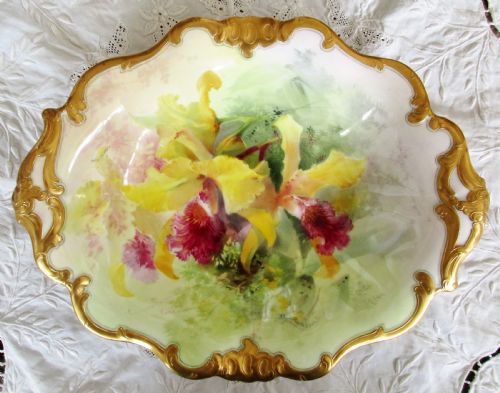
These edwardian gilt china plate pieces bring refined painted fruit, floral and bird subjects together with rich gold leaf borders for display.
Edwardian Gilt China Plate
An edwardian gilt china plate is typically found as a decorative cabinet plate, dessert dish or porcelain service piece created during the early twentieth century. These items were designed primarily for display in cabinets or on sideboards rather than everyday dining use. The selection on this page centres on porcelain and bone china forms decorated with elaborate hand-painted subjects.
The dominant aesthetic draws on Edwardian taste, alongside Victorian, Rococo Revival, Art Nouveau and Aesthetic Movement influences. Makers applied rich gilding and gilt enamel borders to frame central painted scenes of fruit, birds, orchids and florals. Forms range from individual cabinet dishes to pairs and larger sets intended for formal display.
How They Were Made
Porcelain and bone china bodies formed the sturdy ceramic foundation for these pieces, shaped into plates, trays and dessert dishes. Artisans applied smooth enamel glazes to create a pristine white or coloured ground ready for decoration.
Skilled painters executed detailed botanical, avian and fruit scenes by hand using polychrome pigments. Craftsmen then added gold leaf and intricate tooled gilt borders, fixing the metals and colours through kiln firing.
The selection spans the Victorian, Edwardian and Art Nouveau periods, alongside early twentieth-century George V production.
What Varies in Quality
The standard of an edwardian gilt china plate rests heavily on the skill of the artist responsible for the hand-painted centre. Pieces decorated by documented painters command attention for their detailed brushwork and lifelike rendering of fruit, birds or floral studies.
Execution of the gilding and the weight of the porcelain blank also set exceptional examples apart from standard factory production. Rich, heavy tooled gold leaf and well-balanced cabinet forms elevate the overall presence of the piece.
Royal Worcester·Royal Crown Derby·Royal Doulton·Cauldon Ltd·Grainger And Co·Coalport·Wedgwood
The Edwardian Gilt China Plate Glossary
- Cabinet Plate
- A decorative ceramic plate intended for display in a cabinet rather than for serving food at table. These pieces often feature elaborate hand-painted scenes and rich gilding.
- Gilt
- A thin layer of gold applied to the surface of the porcelain or bone china. It provides a bright metallic border that frames the central painted motif.
- Bone China
- A type of soft-paste porcelain containing bone ash, known for its high strength, chip resistance and translucent white body. It served as a primary material for fine British tablewares.
- Blush Ivory
- A specific ceramic ground finish developed by Royal Worcester featuring a soft, creamy matte tint that resembles ivory. It is frequently highlighted with gilt detail.
- Enamel
- Vitreous colour applied over the glaze and fired in a kiln to bond with the ceramic body. It creates vibrant, permanent shades for painted botanical and animal subjects.
Edwardian Gilt China Plate: Frequently Asked Questions
How were these plates used?
These pieces served primarily as decorative cabinet plates or dessert dishes for display within formal dining rooms and drawing rooms. Owners placed them in glazed cabinets or on sideboards to showcase wealth and taste.
They were seldom utilised for everyday family meals, remaining preserved for special occasions or purely ornamental exhibition.
How do I display a cabinet plate?
Cabinet plates fit securely into specialised wall hangers or rest on sturdy display stands inside enclosed glass cabinets. Position them away from direct sunlight to protect the enamel colours and gold leaf from fading over time.
Ensure the stand or hanger supports the rim evenly without putting undue pressure on the porcelain body.
How do I clean gilt china?
Dust these items gently with a dry, soft microfibre cloth to remove surface particles without disturbing the delicate painted surface. Avoid submerging antique gilt pieces in water or using harsh commercial cleaning agents.
Moisture and abrasive materials can wear away the fragile hand-applied gold leaf and enamel over repeated washing.
Are signed plates more desirable?
Plates bearing the signature or monogram of a known factory artist often attract greater interest from collectors. Master painters produced works with exceptional detail that distinguished standard factory output.
Signatures provide a direct link to the individual skill behind the botanical or avian artwork.