

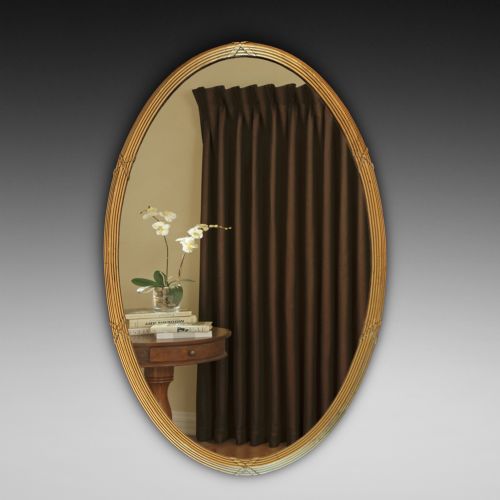
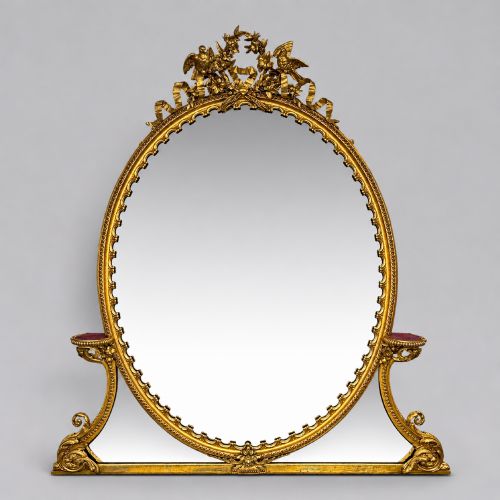
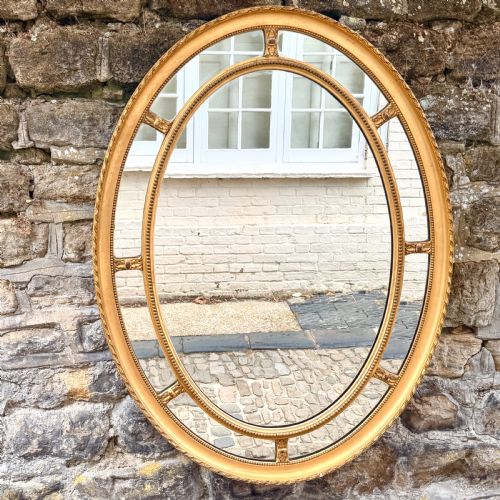
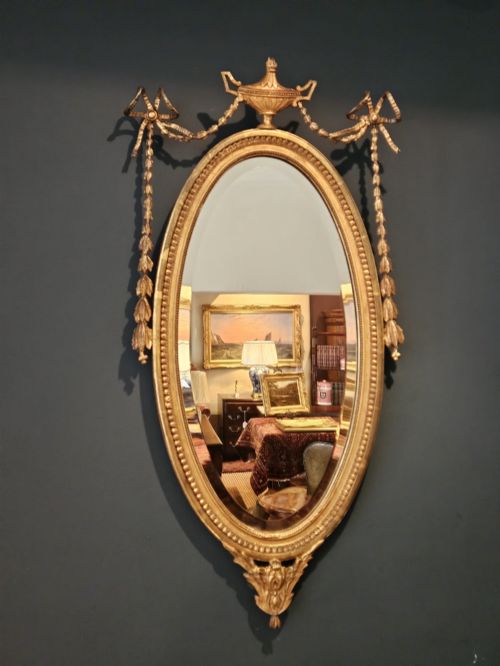


Edwardian Gilded Oval Mirror
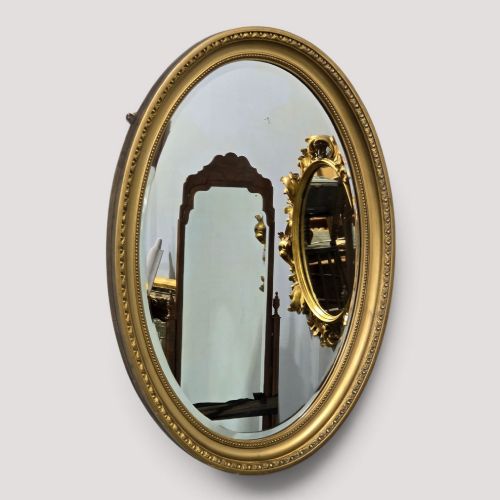
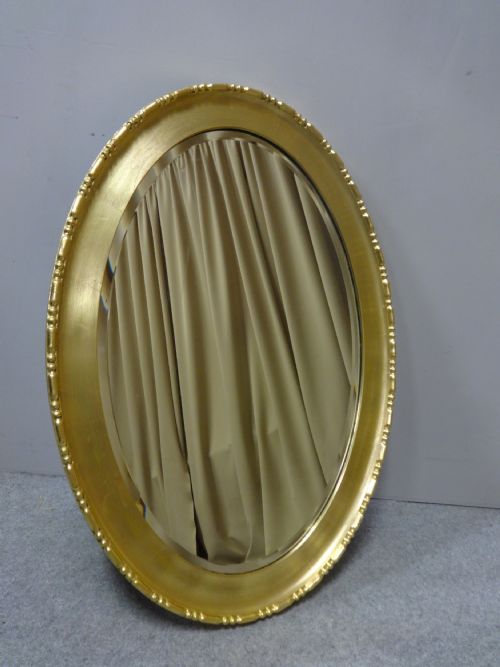
These edwardian gilded oval mirror pieces bring luminous reflection and classical proportion to a room, catching the light in a way few other wall hangings manage.
Edwardian Gilded Oval Mirror
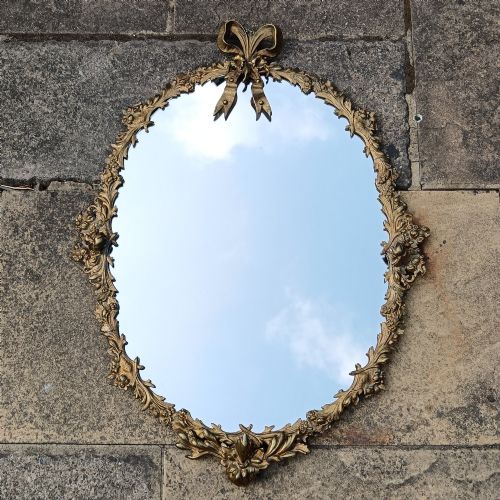
When you search for an edwardian gilded oval mirror, you encounter wall-mounted looking glasses shaped in graceful curves rather than sharp angles. The selection spans distinct eras, drawing heavily on Adam revival and Louis XVI revival vocabulary alongside Edwardian simplicity.
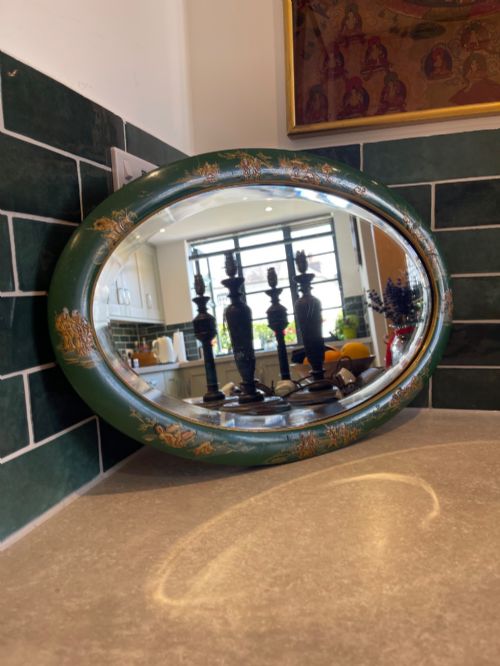
Most examples you meet here date from the Edwardian period itself or the surrounding decades of the late nineteenth and early twentieth centuries. Forms range from plain timber frames to ornate gilt gesso and black chinoiserie designs.
How they were made
Frame makers built the foundations from timber such as wood, applying layers of gesso to create smooth surfaces for gilding. Artisans then laid gold leaf over the prepared ground, burnishing areas to achieve a brilliant metallic sheen.
Details like rope twists, urn top pediments and carved motifs were shaped directly into the composition or gesso before finishing. Mirror glass was set securely within these frames, often featuring bevelled edges that catch daylight from nearby windows.
Edwardian Gilded Oval Mirror Retail Price Guide 2026
Typical asking prices for edwardian gilded oval mirror among the pieces listed under this phrase on Sellingantiques today, from the lower quarter to the upper quarter. They describe what is for sale here now, not the wider market.
What varies in quality
The standard of a piece rests heavily on the crispness of the carving and the depth of the gilding. Hand-applied gold leaf over carefully prepared gesso offers a richer texture than simpler painted finishes.
Structural integrity of the wooden frame and the clarity of the original mirror glass also set finer examples apart. Details like balanced proportions and refined pediments elevate certain pieces above standard production.
The Edwardian Gilded Oval Mirror Glossary
- Giltwood
- Timber that has been coated with gold leaf. This finish gives the frame its warm metallic lustre.
- Gesso
- A plaster-like mixture applied to wood frames to create a smooth base for carving and gilding. It allows artisans to shape intricate relief details.
- Girandole
- A wall mirror fitted with candle sconces attached to the frame. These branches reflect candle flame around the interior.
- Pediment
- The decorative structure surmounting the top of the mirror frame. Common examples include urn motifs and classical scrolls.
- Chinoiserie
- European interpretation of Chinese decorative arts, often featuring black lacquer and painted motifs. It appears on several oval frames in this selection.
Edwardian Gilded Oval Mirror: Frequently Asked Questions
Where should I hang an oval mirror?
These mirrors suit narrow wall spaces, above mantelpieces, or as a focal point in a hallway. Their curved shape softens straight architectural lines in a room.
Ensure the wall fixings match the weight of the timber and gesso frame to support the piece securely.
How do I clean a gilded frame?
Dust the surface gently with a soft, dry brush to remove particles without disturbing the delicate gold leaf. Avoid liquid cleaners and damp cloths, which can damage historic gesso.
For the glass itself, apply a modest amount of glass cleaner to a cloth rather than spraying directly onto the mirror.
How do I identify an Adam revival style?
Adam revival frames draw on neoclassical motifs like urns, swags, and symmetrical oval geometries. They prioritise balance and refined classical ornamentation.
This style appears frequently among the Victorian and Edwardian pieces in the listings.