


Edwardian Gentleman Walking Cane
An edwardian gentleman walking cane carries the quiet authority of an earlier era, offering both support and a hidden blade.
Edwardian Gentleman Walking Cane
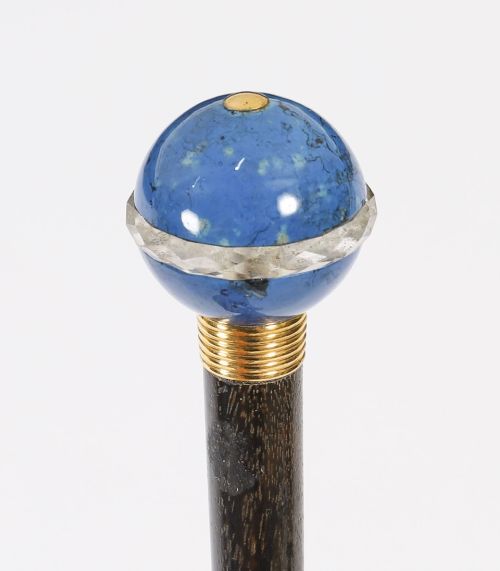
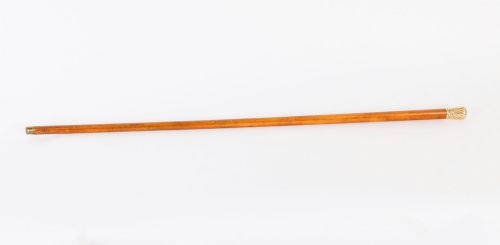
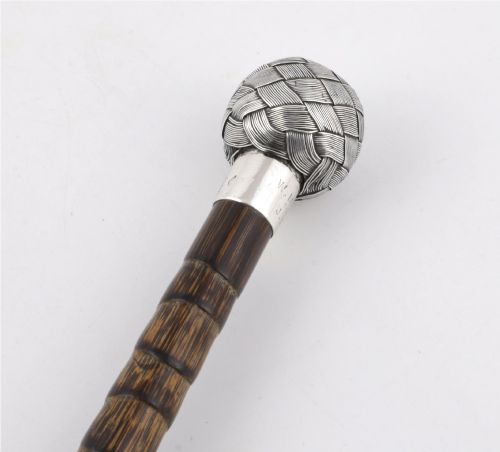
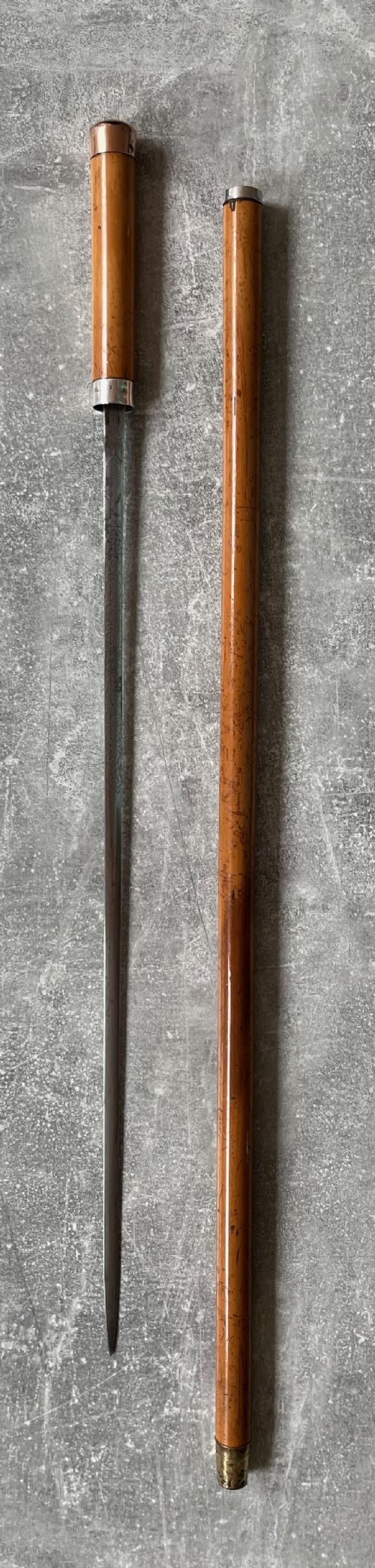
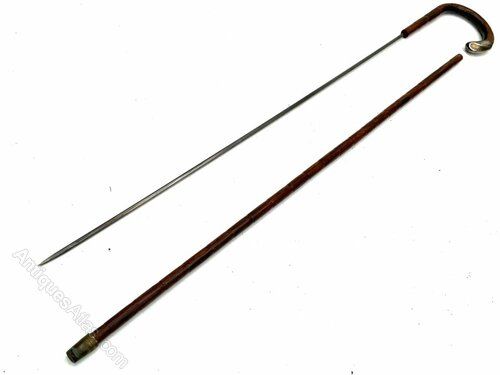
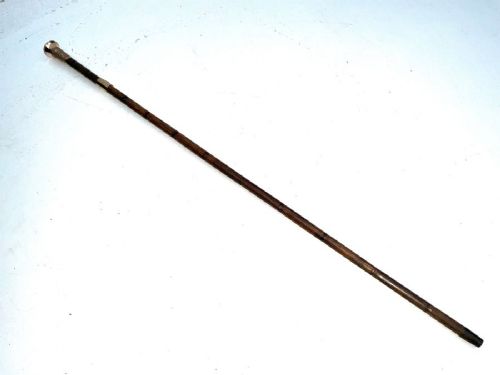
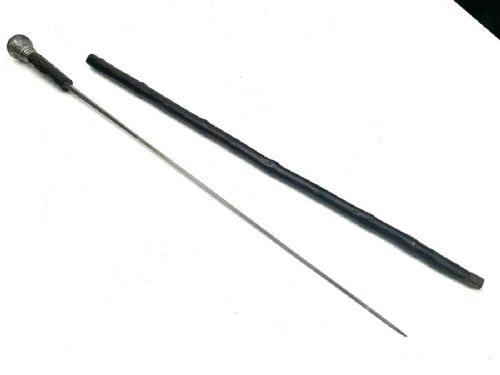
An edwardian gentleman walking cane usually appears as a traditional walking stick or a concealed sword stick manufactured during the early twentieth century or late nineteenth century. You meet pieces formed from malacca, partridge wood, bamboo, and rosewood, often fitted with silver collars or gold pommels.
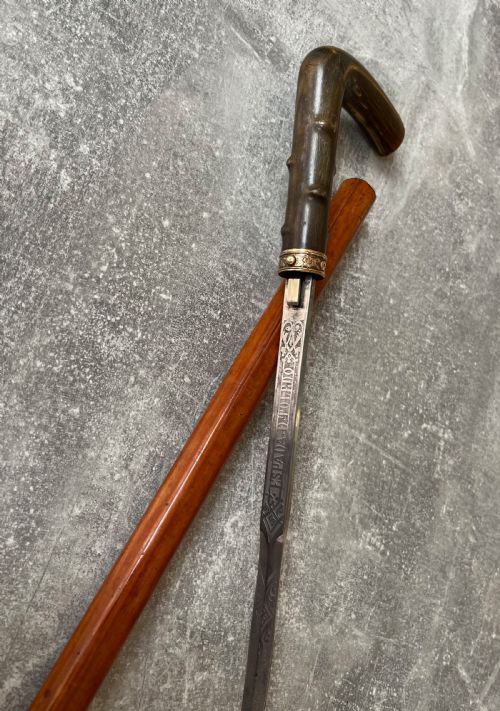
Many examples incorporate specialised handles shaped from horn, antler, or carved wood, alongside functional button releases for hidden blades. The selection includes military styles, masonic designs, and natural forms alongside standard walking sticks and hallway umbrella stands.
The materials reflect practical utility and social standing, combining durable hardwoods with precious metals and steel blades from makers such as Wilkinson and Toledo. These items served both as daily accessories for gentlemen and as discreet personal defence tools.
Indicators of superior manufacture
The distinction between standard examples and superior pieces rests in the quality of the mountings and the precision of the hidden mechanisms. Finer specimens display solid gold pommels, intricate silver work, or marked blades from respected sword smiths rather than generic metal collars.
Balance and material selection dictate overall merit, with dense hardwoods like malacca and coromandel paired with tightly fitted horn or antler handles. The seamless integration of the hidden blade release separates workshop output from mass production.
Listings feature periods spanning from the nineteenth century through the Edwardian era into the 1930s, utilising steel, silver, gold, and horn.
Briggs·Wilkinson
The Edwardian Gentleman Walking Cane Glossary
- Pommel
- The rounded knob or handle at the top of a walking cane. It often consists of gold, silver, horn, or carved wood.
- Malacca
- A type of mottled rattan cane imported from Southeast Asia and prized for resilience. It forms the flexible shaft of many traditional gentlemanly sticks.
- Sword stick
- A hollow walking cane that conceals a steel blade within the shaft. It typically employs a button release or screw mechanism to secure the blade.
- Coromandel
- A dense, dark cabinet wood with contrasting streaks, originating from India and Southeast Asia. It provides a heavy and durable material for handles and stands.
- Collar
- A metal band, frequently silver or brass, fitted around the upper shaft below the handle. It strengthens the wood and often bears hallmarks or maker marks.
Edwardian Gentleman Walking Cane: Frequently Asked Questions
How do I spot a concealed blade?
Most sword sticks feature a discreet button release near the top collar or a threaded screw joint just below the handle. Pulling the handle straight out reveals the steel blade housed inside the hollow wooden shaft.
Examine the upper collar for any slight seam or break in the wood grain that indicates where the two sections meet. Quality examples ensure this join remains tight and nearly invisible during normal use.
What woods were commonly used?
Maker workshops frequently selected malacca, partridge wood, bamboo, rosewood, and ebonized oak for their strength and straight growth. Hardwoods provided the durability needed to support daily weight bearing while housing internal steel blades.
Exotic timbers like coromandel also appeared on high-end pieces and hallway stands. Each wood was chosen for its ability to take a smooth polish and resist splitting.
How should I care for the metal mounts?
Silver and brass collars require occasional gentle cleaning with a soft cloth to maintain their lustre without removing historical patina. Avoid harsh chemical dips that strip the character from engraved decoration and hallmarks.
Keep the internal steel blades lightly oiled to prevent oxidation within the wooden scabbard. Ensure the locking button mechanism remains clean and free of dust.
Were these used for defence?
Sword sticks served gentlemen as a practical accessory that doubled as personal protection during urban travel. The concealed blade offered security in dimly lit nineteenth and early twentieth century streets.
Military officers and civilians alike carried them as part of standard gentlemanly attire. Masonic examples also functioned as ceremonial or fraternal markers alongside their practical utility.