



Edwardian Gentleman Art
Edwardian gentleman art encompasses formal oils and satirical prints capturing notable figures from the turn of the twentieth century.
Edwardian Gentleman Art
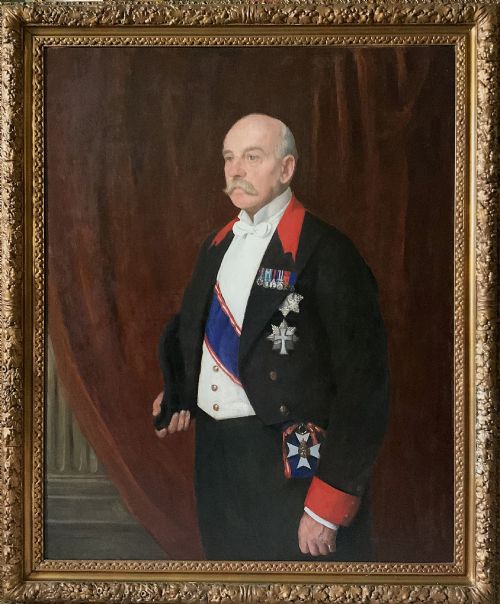
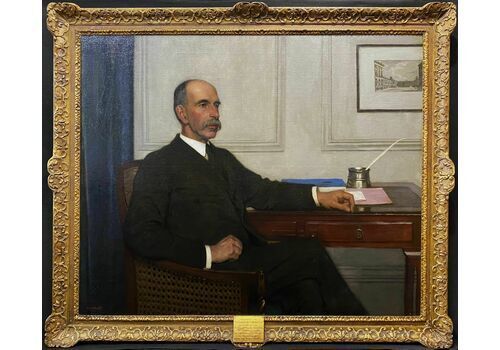
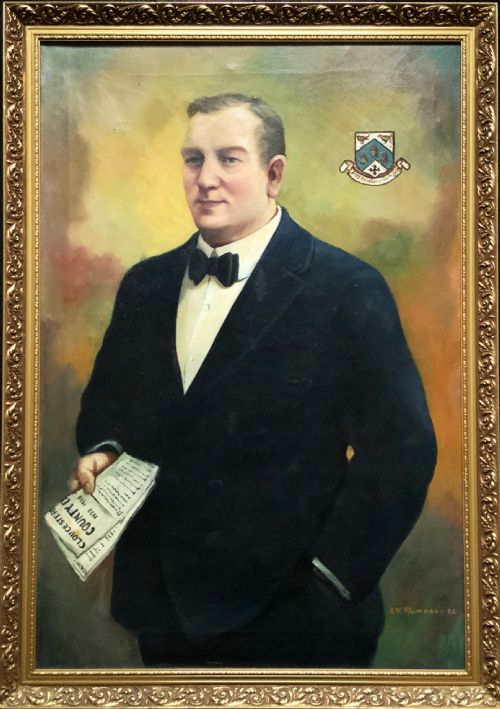
When buyers search for Edwardian gentleman art, they encounter a diverse selection of oil paintings, framed prints, and portraits depicting prominent historical figures, merchants, and military leaders. These works span the Victorian, Edwardian, and early twentieth-century periods, capturing the societal status and distinct attire of the era.
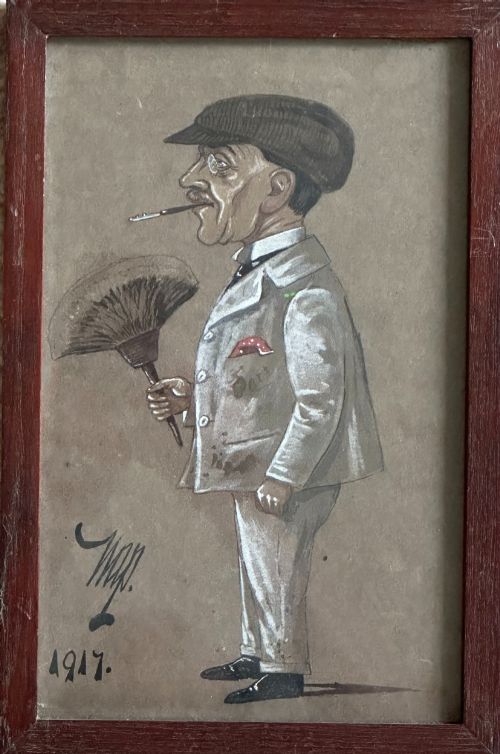
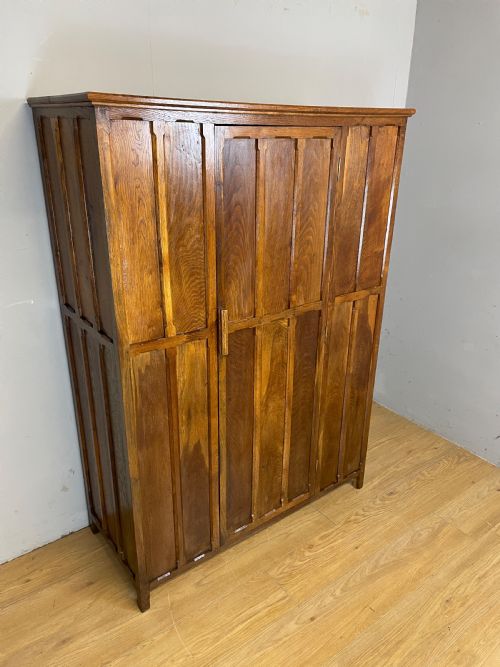
The most common pieces on this page are oil paintings on canvas and paper prints, including well-known series like Vanity Fair caricatures. Alongside framed artwork, the selection occasionally extends to solid oak and pine gentleman's wardrobes and jewellery associated with the period.
Portraits form the core of this category, ranging from monumental military commissions to intimate genre scenes. Each piece reflects the aesthetic tastes and social documentation methods prevalent between the late nineteenth century and the 1930s.
Materials and construction
The paintings in this collection rely primarily on oil on canvas, housed within traditional frames of giltwood or carved wood. Paper works utilise chromolithography and print techniques, particularly for satirical cartoons and periodical illustrations.
Three-dimensional pieces employ dense timbers such as oak and pine, frequently enhanced with lead light glass panels or specialised cabinetwork by firms like Maple & Co. and Whytock & Reid.
Among the distinguished politicians and explorers, a wooden jigger doll in a top hat dances across the decades.
Assessing quality and execution
Quality in these portraits rests upon the skill of the brushwork and the accuracy of the likeness, distinguishing professional academic artists from lesser-known regional painters. The prominence of the sitter and the documentation of the subject also elevate the historical importance of the artwork.
For printed material, the crispness of the impression and the vibrancy of original chromolithograph colours determine the desirability of the piece. Cabinetry quality depends on the integrity of the solid timber construction and the reputation of the maker's workshop.
Maple & Co.·Whytock & Reid·Frank Moss Bennett·Harold Knight·Sir James Guthrie
The Edwardian Gentleman Art Glossary
- Chromolithography
- A planographic colour printing technique used to produce multi-coloured prints. This method built up rich hues through the successive application of numerous lithographic stones.
- Lead light
- A window or panel made from small panes of glass held together within lead cames. These decorative inserts frequently appeared in Edwardian wardrobes and cabinetry.
- Genre painting
- The pictorial representation of scenes from everyday life involving ordinary people. In this collection, such works often depict gentlemen in domestic or garden settings.
- Folk art
- Art produced by self-taught individuals working outside academic traditions. Examples include carved wooden figures like jigger dolls dressed in traditional tailcoats.
Edwardian Gentleman Art: Frequently Asked Questions
Who are the subjects in these portraits?
The subjects include military generals, explorers, industrialists, and political figures who shaped public life during the late nineteenth and early twentieth centuries. Many works document specific merchants and tycoons commissioned to mark civic achievements.
Satirical prints from the period also capture politicians and public figures through caricature, offering a humorous contrast to the solemnity of formal oil portraiture.
How do I identify a Vanity Fair print?
Vanity Fair prints are recognisable satirical illustrations and chromolithographs published in the British weekly magazine between 1869 and 1914. They typically feature prominent public figures accompanied by biographical text.
Original plates often bear signatures or pseudonyms of the artists, such as Spy, and are printed on double-page quality paper stock suited for framing.
What distinguishes English folk art items here?
English folk art pieces in this category include handcrafted wooden objects like jigger dolls dressed in top hats and tailcoats. These items were created outside formal academic conventions by local artisans.
Their charm lies in their individuality and direct use of simple materials like wood and fabric to capture contemporary fashion with rustic ingenuity.