


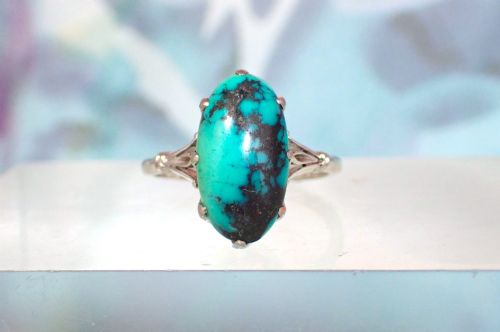
Edwardian Gemstone Band
An edwardian gemstone band brings together brilliant diamonds and coloured stones set in gold, offering a distinct piece of history for daily wear.
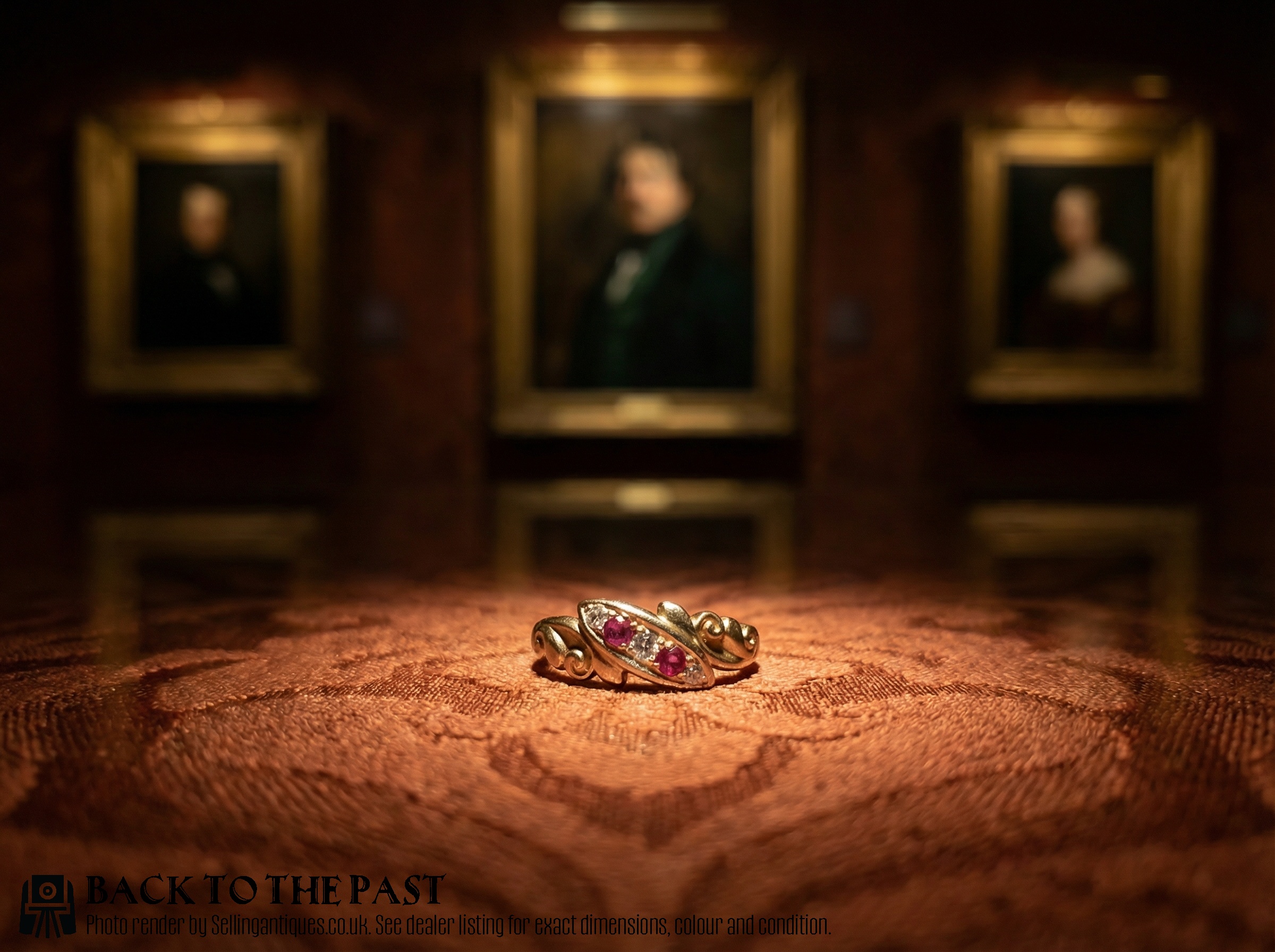
Edwardian Gemstone Band
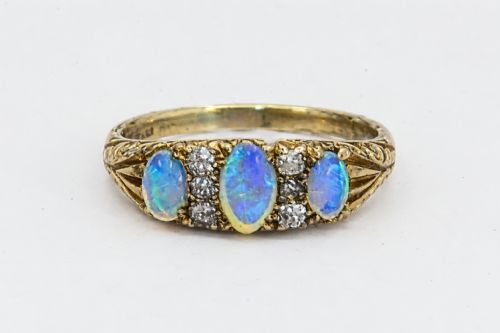
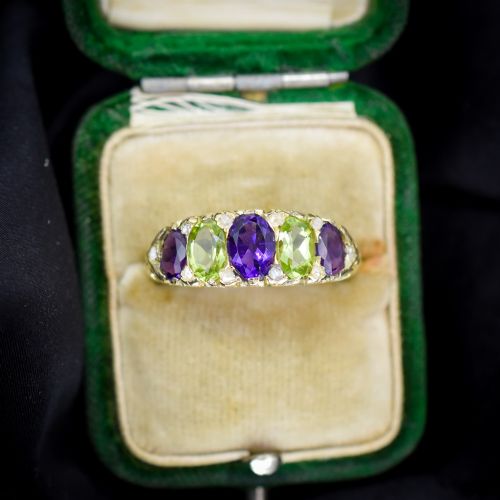
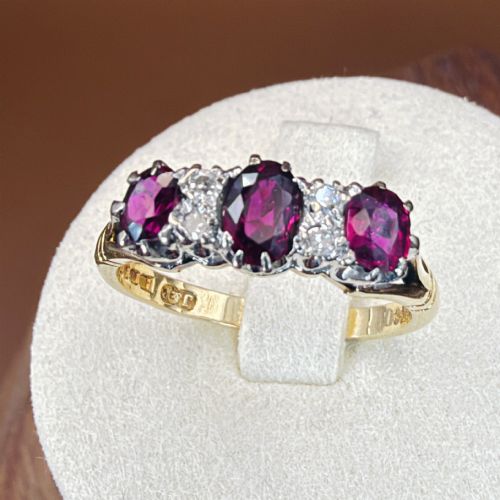
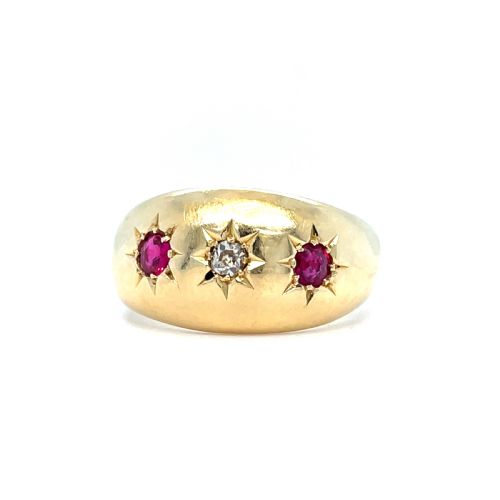
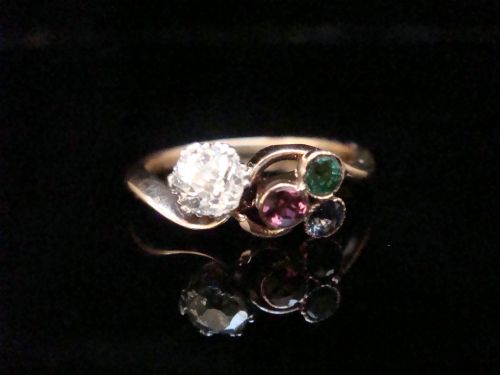
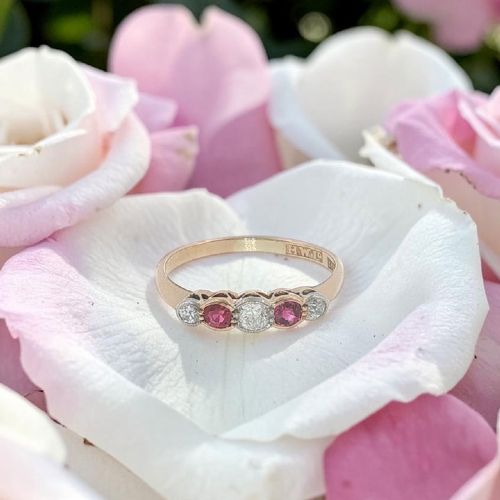
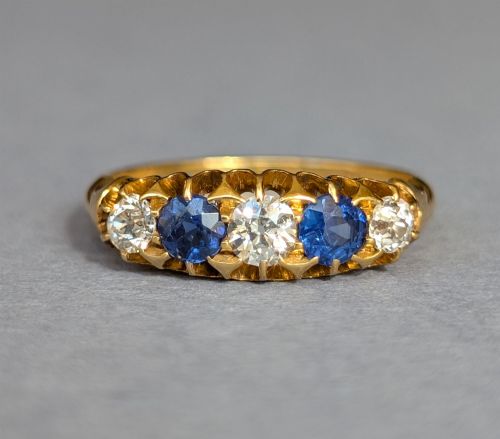
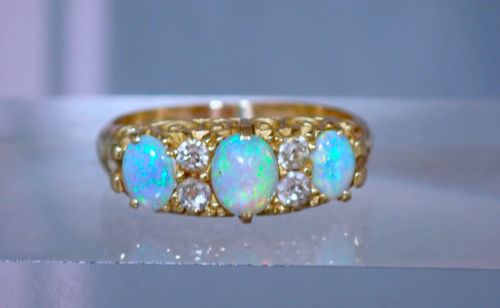
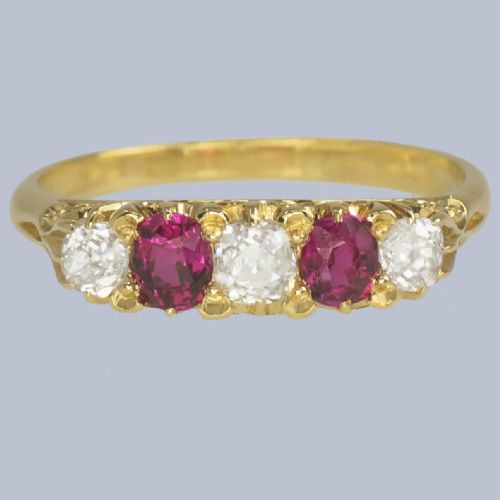
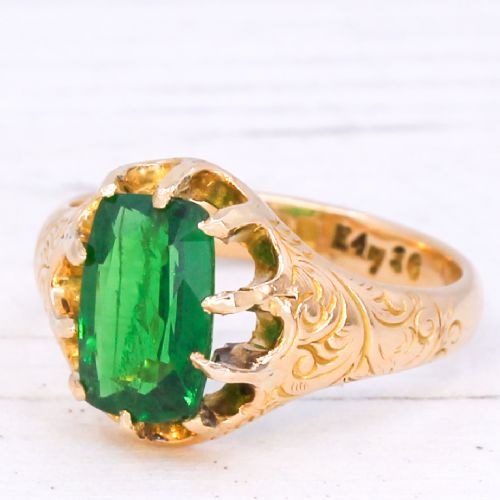
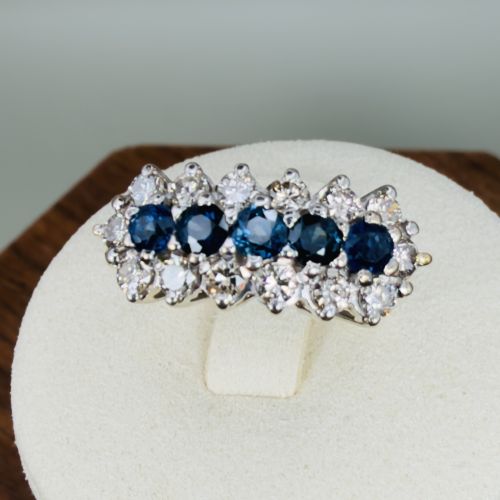
When you search for an edwardian gemstone band, you encounter rings featuring stones such as ruby, sapphire, opal, and diamond mounted in gold settings. These pieces primarily date from the Edwardian period and the surrounding decades, reflecting the jewellery designs of the early twentieth century.
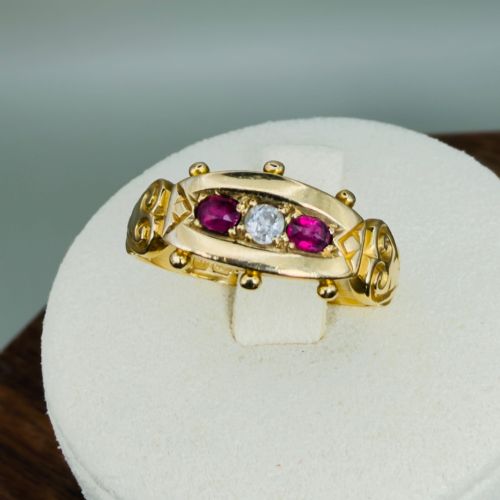
The selections on this page span several closely related periods including Victorian, Edwardian, and Art Deco, alongside later mid-century examples. Forms range from simple band rings and multi-stone configurations to cluster and boat shapes designed to sit flat on the finger.
While the focus centres on rings, the material evidence shows that these items rely on combinations of precious metals and gemstones to create varied visual effects. Buyers looking for an edwardian gemstone band will find pieces that showcase traditional craftsmanship from distinct eras.
Materials and construction
Gold forms the primary structural material for these pieces, appearing predominantly in eighteen-carat yellow gold alongside variations in fifteen-carat gold, white gold, sterling silver, and platinum. Artisans shaped these metals into bands, clusters, and boat settings to securely hold the incorporated stones.
Gemstones such as diamonds, rubies, sapphires, opals, pearls, and garnets are integrated using claw, starburst, and flush techniques. The combination of durable metals with precious and semi-precious stones defines the physical makeup of these rings.
Materials recorded across the inventory include eighteen-carat gold, platinum, silver, diamonds, rubies, sapphires, opals, and pearls.
Distinctions in quality
The standard of an edwardian gemstone band depends on the selection and matching of the stones, particularly the clarity and colour saturation of rubies, sapphires, and diamonds. Well-matched stones with strong natural colour and minimal inclusions distinguish the finer examples.
Metalwork execution also separates different tiers of the range, visible in the precision of the claw settings, the sharpness of starburst engravings, and the structural integrity of the shank. Superior pieces maintain their original geometric or floral proportions without excessive wear to the precious metal.
The Edwardian Gemstone Band Glossary
- Edwardian
- Pertaining to the reign of King Edward VII from 1901 to 1910, characterised by light, graceful jewellery designs often utilising platinum and diamonds.
- Cluster ring
- A ring style featuring a central gemstone surrounded by a cluster of smaller stones, typically diamonds.
- Boat ring
- A ring featuring an elongated, curved setting resembling the hull of a boat, popular in late Victorian and Edwardian periods.
- Old-cut diamond
- A diamond cut by hand before modern machinery, featuring a smaller table, higher crown, and deep culet that produce a softer candlelit sparkle.
- Cabochon
- A gemstone shaped and polished with a smooth, rounded surface rather than faceted edges, commonly seen on opals and moonstones.
Edwardian Gemstone Band: Frequently Asked Questions
How do I wear an edwardian gemstone band safely?
These historical rings require gentle care during daily activities. Remove them before engaging in heavy manual work or gardening to protect softer stones like opals and pearls.
Store each piece individually in a lined box to prevent scratching between different metal and gemstone surfaces.
Can these rings be resized easily?
Most gold and silver bands can be adjusted by a skilled jeweller who understands antique construction. The feasibility depends on the specific shank design and whether stones extend all the way around the band.
Consult a specialist to ensure the structural integrity of the metal and the security of the stone settings remain intact after sizing.
How do I identify an Edwardian ring?
Authentic pieces from this era often display specific hallmarks indicating the assay office and year of manufacture, combined with characteristic lightweight filigree or milgrain details. The use of platinum-topped gold is also common in this timeframe.
Examining the cut of the diamonds, such as old-mine or old-euro cuts, helps confirm the historical period alongside the overall design proportions.