



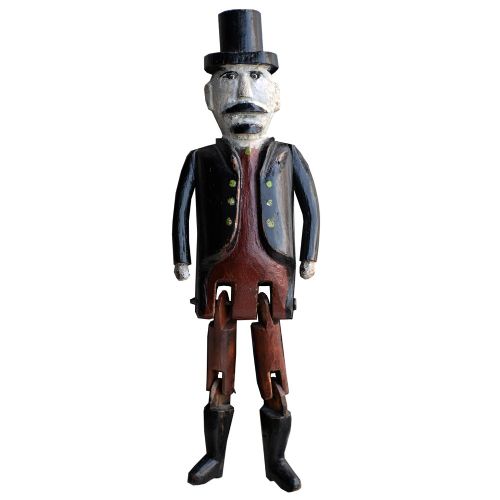
Edwardian Folk Art Sculpture
Edwardian folk art sculpture captures the unpretentious hand of early twentieth-century makers through carved wood, painted surfaces, and honest metalwork.
Edwardian Folk Art Sculpture
Wooden items dominate the selection, frequently shaped from linden wood, timber, and matchsticks. Painted finishes and carved details reflect both English traditions and continental Black Forest or Japanese influences.
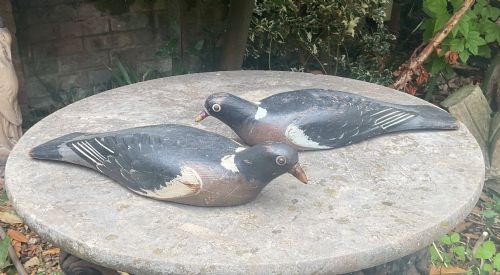
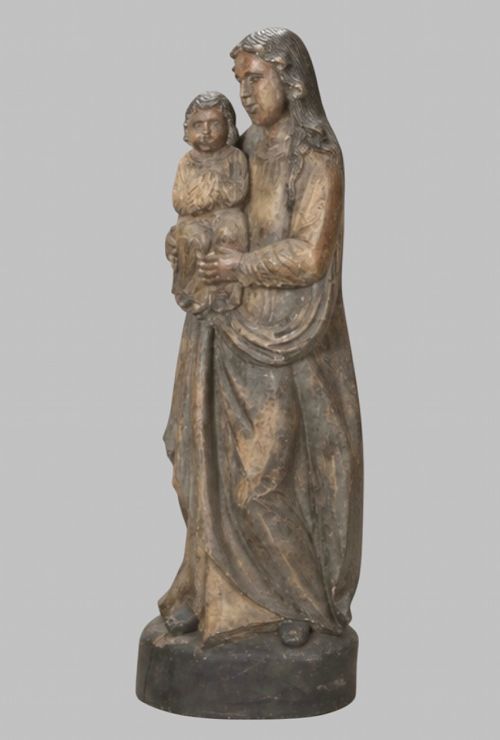
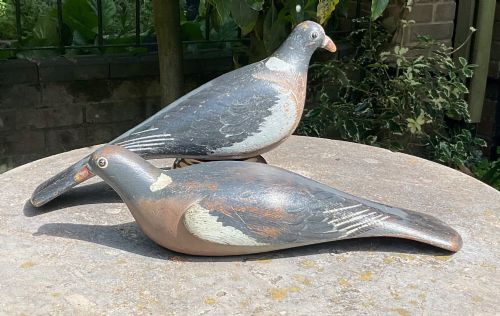
The forms span practical items like decoy pigeons and ducks alongside decorative figures such as devotional Madonnas, jigger dolls, and cricketers. These pieces bridge the gap between utilitarian craft and vernacular artistry.
Materials and construction methods
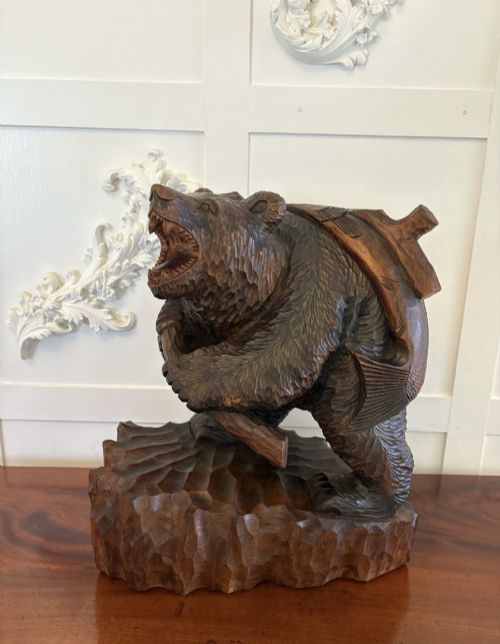
Makers relied primarily on carved wood, utilising timber and linden wood for figures of bears, cricketers, and devotional subjects. Hand tools left chisel marks and textures that remain visible across the surfaces of these sculptures.
Edwardian Folk Art Sculpture Retail Price Guide 2026
Typical asking prices for edwardian folk art sculpture among the pieces listed under this phrase on Sellingantiques today, from the lower quarter to the upper quarter. They describe what is for sale here now, not the wider market.
Listings feature wood as the primary material, alongside iron and sheet metal, spanning subjects from carved bears to architectural models.
Distinguishing quality in vernacular carving
Quality rests upon the strength of the carving and the character of the surface wear. Pieces shaped with confident, fluid toolwork stand apart from stiffer, less assured examples.
Original painted surfaces retain a visual depth that later touch-ups obscure. The integrity of the material, whether aged linden wood or weathered sheet metal, dictates the presence and authenticity of each piece.
The Edwardian Folk Art Sculpture Glossary
- Folk art
- Objects created by self-taught or vernacular makers outside the formal academic traditions of the period. These items often served practical purposes or local community needs.
- Decoy
- A carved and painted bird, such as a pigeon or duck, originally used by hunters to attract wildlife. They are prized today for their sculptural forms and worn painted surfaces.
- Linden wood
- A soft, pale timber favoured by carvers for its fine, even grain and ease of cutting. It is particularly associated with Black Forest and continental animal sculptures.
- Jigger doll
- An articulated mechanical toy or folk figure designed to dance rhythmically when tapped or vibrated. They represent a playful strand of early twentieth-century vernacular entertainment.
- Fairground art
- Large-scale decorative carvings and ride fragments produced for amusement parks and travelling fairs. These objects feature bold forms and robust painted finishes built to withstand public use.
Edwardian Folk Art Sculpture: Frequently Asked Questions
What is Edwardian folk art sculpture?
These pieces are hand-carved and constructed objects made by vernacular makers during the early twentieth century. They include animal figures, decoys, architectural models, and fairground fragments.
Unlike fine art produced for academies, these items reflect regional traditions, practical utility, and the unpretentious skill of local craftspeople.
How were wooden decoys used?
Carved wooden pigeons and ducks served as functional tools for hunters aiming to attract wildfowl. Makers shaped timber and applied paint to mimic the appearance of live birds.
Over decades of exposure to outdoor conditions, many acquired a weathered patina that collectors now value for its aesthetic appeal.
Are these sculptures signed by makers?
Vernacular folk art pieces are rarely signed or attributed to specific individuals. Makers worked independently to supply local markets, fairs, or domestic settings without recording their names.
Instead of signatures, authenticity is judged by the material composition, tool marks, and period-appropriate wear.
How should I care for carved wooden sculptures?
Keep wooden and painted objects away from direct sunlight and steady heat sources to prevent the material from drying out or splitting. Gentle dusting with a dry cloth is sufficient for maintenance.
Avoid applying modern polishes or cleaning agents to historic painted surfaces, as these can alter or damage the original finish.