





Edwardian Folk Art Figure
These edwardian folk art figure pieces bring hand-carved character and regional tradition straight into your rooms.
Edwardian Folk Art Figure
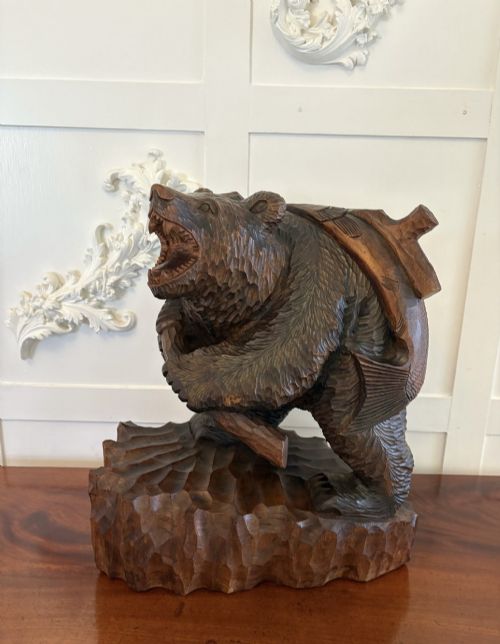
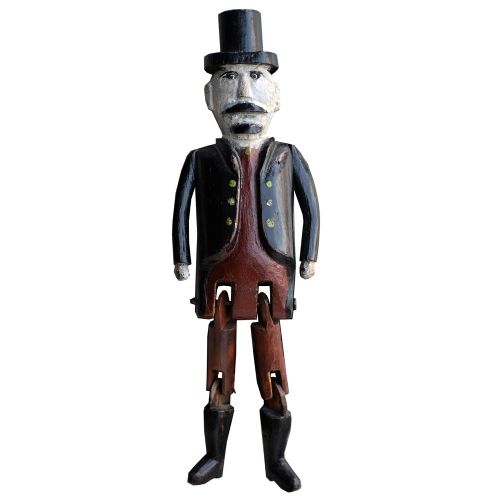
The selection ranges from life-size cricketers and devotional madonna carvings to fairground dragon ride fragments and articulated jigger dolls. Animal subjects such as linden wood bears carrying fish also appear frequently alongside traditional human figures.
Makers working in these various styles utilised regional motifs, from Gothic Revival touches to alpine Black Forest carving techniques. Each piece carries the distinct hand of its maker, bridging domestic decorative arts and vernacular sculpture.
Materials and construction methods
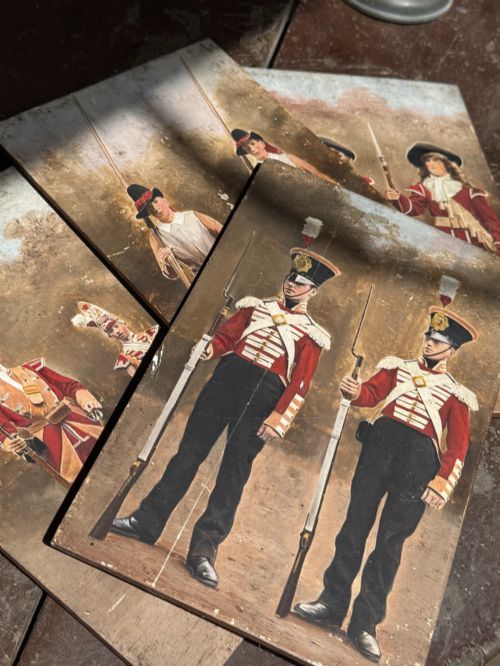
Linden wood and general carved wood form the primary medium for these figures, allowing artisans to shape detailed fur, facial expressions, and garments with sharp gouges. Paint is applied directly to wood surfaces, as seen on painted soldiers and jigger dolls, adding flat or patterned colour to the sculpture.
Metal components sometimes appear to facilitate movement or support, while glazed ceramic and faience represent the medium used for related trinket dishes. The construction relies on traditional hand-carved joinery and panel assembly suited to early twentieth-century workshops.
Materials recorded across the inventory include linden wood, painted panels, metal, and faience ceramic.
Assessing quality in folk carvings
The distinction between ordinary and exceptional pieces lies in the crispness of the carving and the expressiveness of the form. Life-size figures or detailed animal carvings with deeply textured linden wood show a higher level of artisanal ambition than simpler items.
Surface preservation also separates examples, particularly where original paint or distinct tool marks remain intact on panels and figures. The complexity of the subject, such as articulated mechanics in jigger dolls or intricate bear carvings, elevates the standing of a piece.
The Edwardian Folk Art Figure Glossary
- Folk Art
- Objects created by self-taught or vernacular artisans, often adhering to regional traditions rather than academic fine art rules. These pieces serve practical, decorative, or celebratory functions within local communities.
- Black Forest
- A nineteenth and early twentieth-century style of wood carving originating from the mountainous region of central Europe. It is particularly renowned for highly detailed animal sculptures, especially bears.
- Jigger Doll
- An articulated wooden toy or novelty figure designed to dance or jig upon a board when tapped by hand. They showcase playful mechanical ingenuity within folk traditions.
- Faience
- Tin-glazed earthenware produced in France and other European countries, offering a smooth white surface for painted decoration. It appears on decorative pin trays associated with the period.
- Linden Wood
- A soft, pale timber favoured by carvers for its fine, even grain and lack of prominent splintering. It allows for intricate detail work without splitting along the grain.
Edwardian Folk Art Figure: Frequently Asked Questions
What is an edwardian folk art figure?
An edwardian folk art figure is a hand-carved or painted sculpture made around the early twentieth century by regional artisans.
These pieces include human subjects like soldiers and cricketers alongside animals and fairground fragments.
How were jigger dolls used?
Jigger dolls were placed on wooden boards and manipulated by hand or tap to make their jointed limbs dance.
They served as folk toys and entertaining domestic novelties during the early twentieth century.
Where do Black Forest carvings originate?
Black Forest carvings come from the mountainous wooded regions of central Europe, particularly associated with Swiss and German traditions.
Carvers there specialised in highly textured wooden animals, notably bears engaged in human activities.
Are these figures always made of wood?
While wood and linden wood form the majority of the sculptures, related items incorporate painted metal, panels, and glazed ceramic.
Materials varied according to the specific regional tradition and the intended function of the object.