




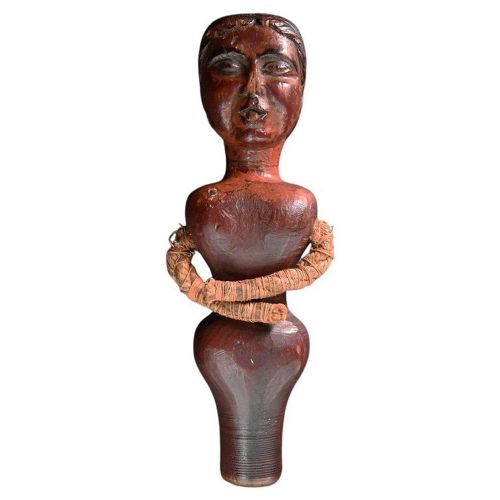
Antique Folk Art Doll
These antique folk art doll pieces bring handcrafted character to a room, ranging from early carved figures to miniature wooden furniture.
Antique Folk Art Doll
When you search for an antique folk art doll, you encounter a diverse selection of handcrafted figures, statues, and miniature furniture spanning several centuries. The material evidence on this page reveals items originating from the eighteenth, nineteenth, and early twentieth centuries, encompassing Georgian, Victorian, and later periods.
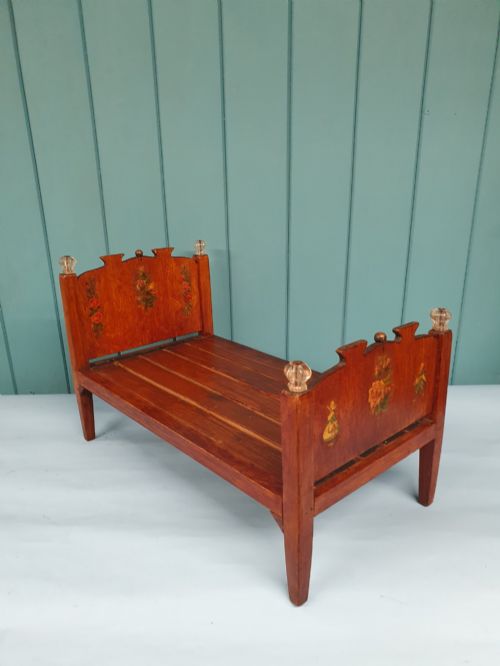
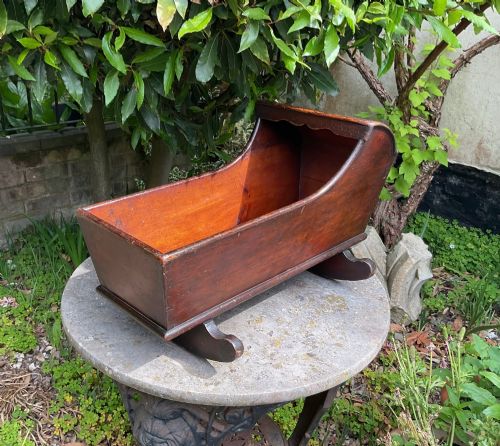
The objects take various physical forms beyond standard figures, including processional statues, jigger dolls, bedpost carvings, and children's toy beds or cribs. These pieces reflect regional traditions from English, American, Flemish, Dutch, and Italian makers, each demonstrating distinct vernacular traits.
You are most likely to meet nineteenth and early twentieth-century examples on this page, particularly English jigger dolls and carved wooden figures. These domestic and decorative objects capture the naive and expressive qualities inherent in traditional folk craft.
Materials and construction methods
The construction of these items relies predominantly on carved wood and pine, shaped by hand into figures, beds, and cradles. Artisans utilised basic carpentry and carving techniques to produce robust domestic items and small-scale toys.
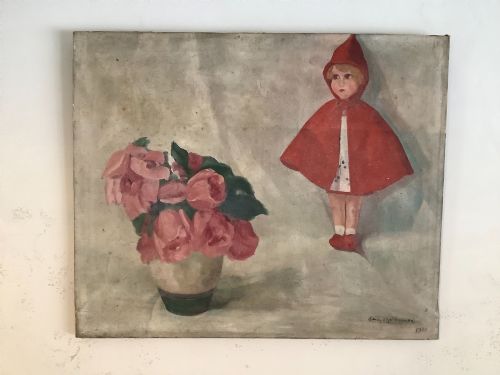
Surface decoration frequently involves oil paint and canvas, adding colour and detail to wooden sculptures and oil paintings. This combination of carved substrates and painted finishes defines the visual execution across the listed inventory.
The listings span from the eighteenth century to the early twentieth century, featuring pine, carved wood, oil paint, and canvas.
Distinctions in quality and execution
Quality in these pieces rests upon the confidence of the carving and the preservation of original painted surfaces. Stronger examples display expressive individuality and direct toolwork that elevate the object beyond simple utility.
The integrity of the material structure, whether pine, carved wood, or canvas, separates the finer survivals from heavily altered items. Original paint surfaces that have aged naturally without excessive later intervention command greater aesthetic interest.
The Antique Folk Art Doll Glossary
- Folk Art
- Artistic work produced from an indigenous culture or peasant society, characterised by a naive style and lack of formal academic training. This category includes utilitarian objects and decorative figures made by self-taught makers.
- Jigger Doll
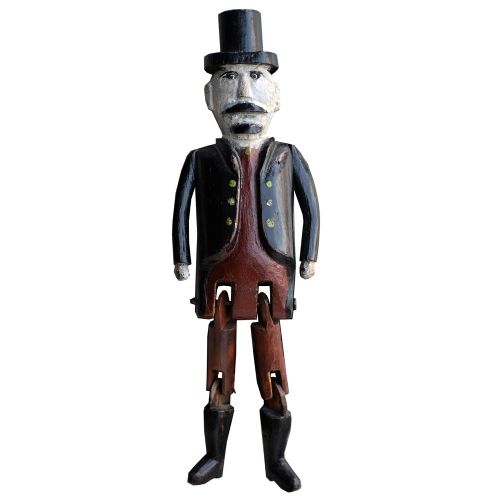
- A type of mechanical toy doll designed to dance or jig on a board when tapped or manipulated. Early twentieth-century English examples often wear distinct attire such as top hats and tails.
- Santos
- A carved figure representing a saint or religious figure, frequently used in processions or domestic shrines. Nineteenth-century Italian examples demonstrate traditional religious folk art forms.
- Naive Art
- Visual art created by a person who lacks the formal training and education of a certified artist. The style is marked by a direct, unpretentious approach to perspective and proportion.
- Pine
- A softwood commonly utilised in the construction of antique doll furniture, cradles, and beds. It provides a stable, accessible material for domestic carpentry.
Antique Folk Art Doll: Frequently Asked Questions
What is an antique jigger doll?
A jigger doll is a traditional mechanical toy designed to dance on a wooden board when vibrated or tapped by hand. These figures often feature articulated limbs and distinct clothing.
English makers produced notable examples during the early twentieth century, incorporating accessories like top hats and tailcoats into the wooden figures.
How are wooden doll beds dated?
Dating relies on construction techniques, timber types, and stylistic conventions associated with specific periods like the Georgian era or the nineteenth century. Examining the joinery and tool marks helps establish the age of the pine or carved wood.
Inscribed dates or documented provenance occasionally provide precise confirmation of the year of manufacture, as seen in eighteenth-century pieces.
Where did religious folk art figures originate?
Religious folk art figures, such as Italian santos processional pieces, originated from Catholic devotional traditions and local workshop production. These statues served a function in religious processions or private domestic worship.
Carved from wood and finished with paint or canvas, they reflect the regional craftsmanship of nineteenth-century artisans.
How do you display miniature folk art furniture?
Miniature furniture like doll cradles, toy beds, and child chairs suit tabletops, shelves, or dedicated display cabinets where their scale can be appreciated. Their compact size allows them to sit alongside larger antiques without dominating a space.
Placing them away from direct heat sources and strong sunlight protects the aged wooden surfaces and historic paint.