

Edwardian Floral Painting
Edwardian floral painting brings delicate botanical brushwork into domestic interiors, capturing natural blooms on satinwood furniture, porcelain vessels and fine art panels.
Edwardian Floral Painting
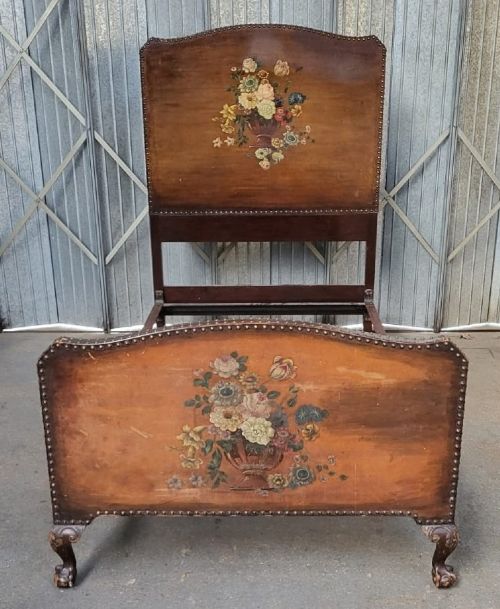
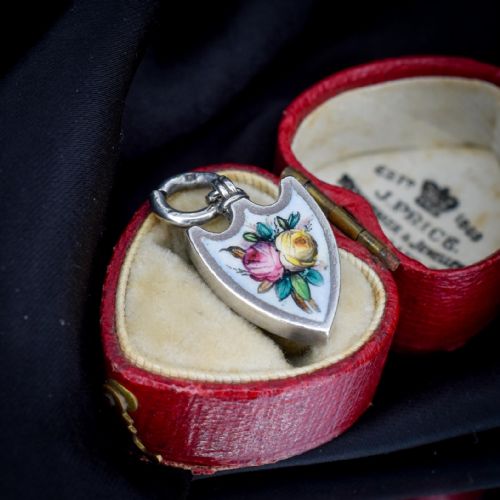
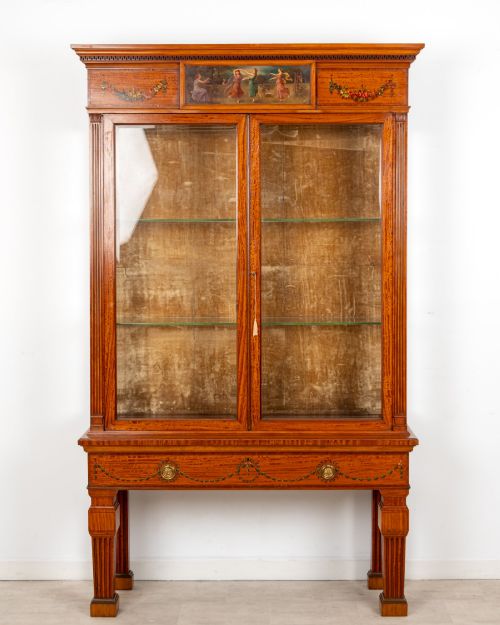
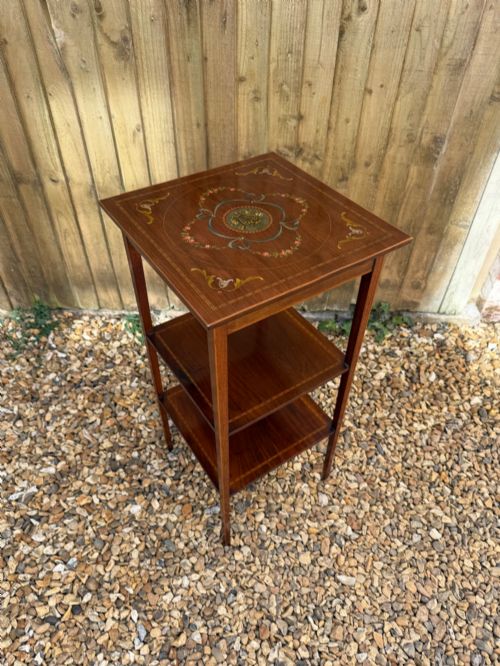
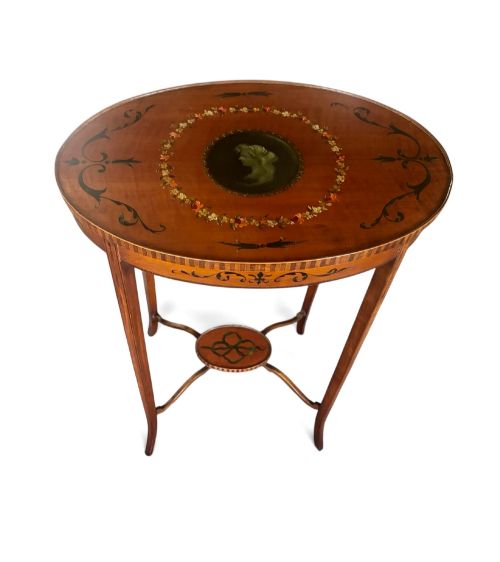
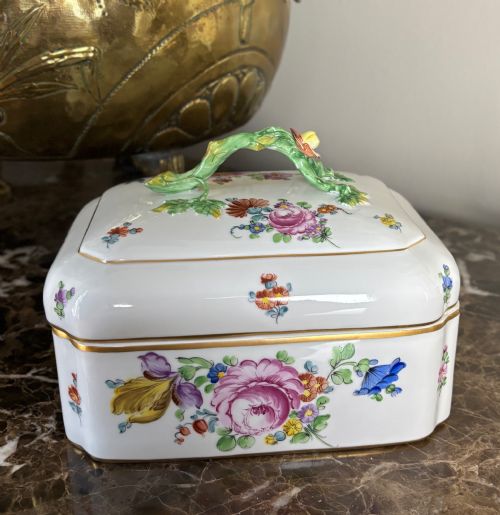
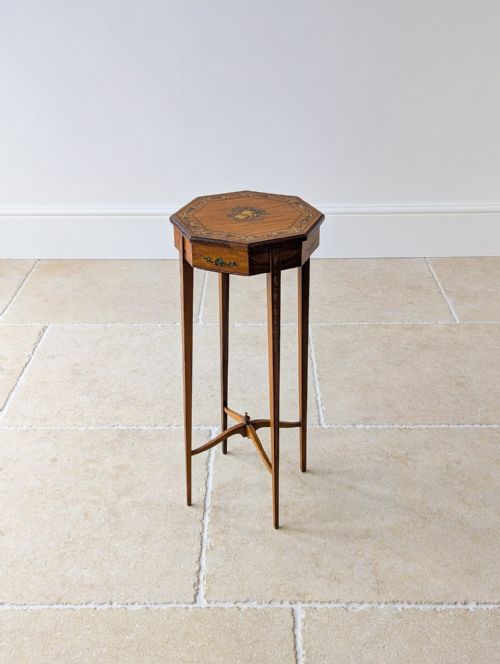
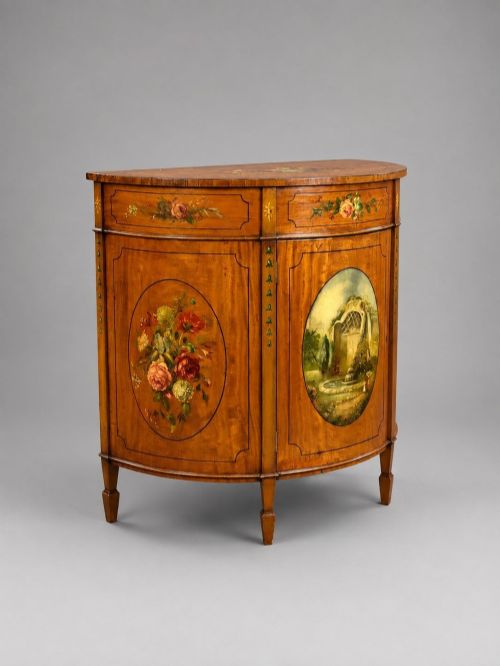
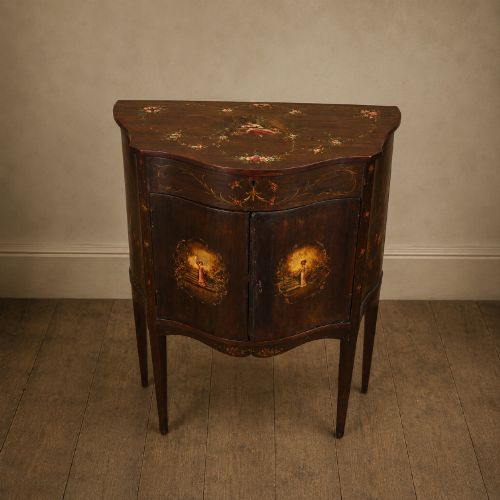
When you search for edwardian floral painting, you encounter a refined group of decorative objects and fine art spanning the early twentieth century and the late nineteenth century. These pieces combine functional forms like occasional tables, display cabinets, writing desks and ceramic vases with detailed hand-painted depictions of roses, pansies and orchids.
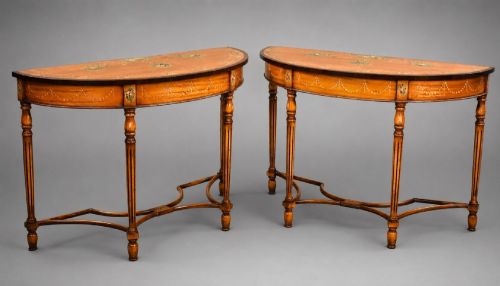
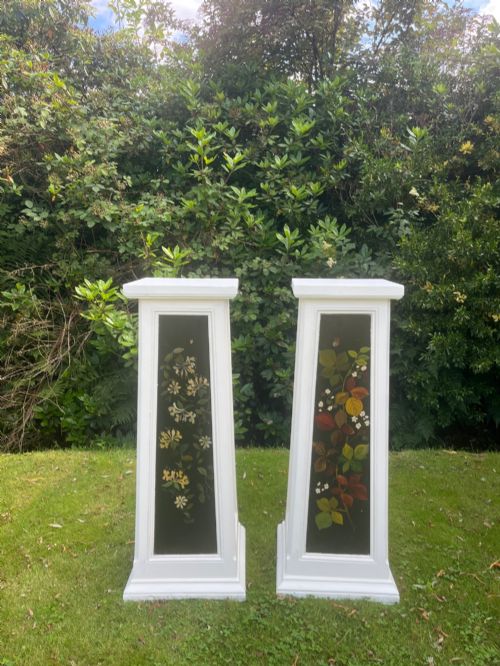
The objects most frequently met on this page include satinwood occasional tables, demilune cabinets and candle stands adorned with botanical motifs, alongside porcelain cabinet plates and oil paintings on board. Makers and manufacturers from the period, including Royal Worcester and Royal Doulton, utilised floral decoration to elevate everyday household items into ornamental displays.
Originating predominantly from Edwardian and late Victorian workshops, these painted pieces reflect a domestic taste for gentle colour and naturalism. The surviving items demonstrate how artisans applied fine brushwork directly to polished timber surfaces as well as glazed ceramics.
How They Were Made
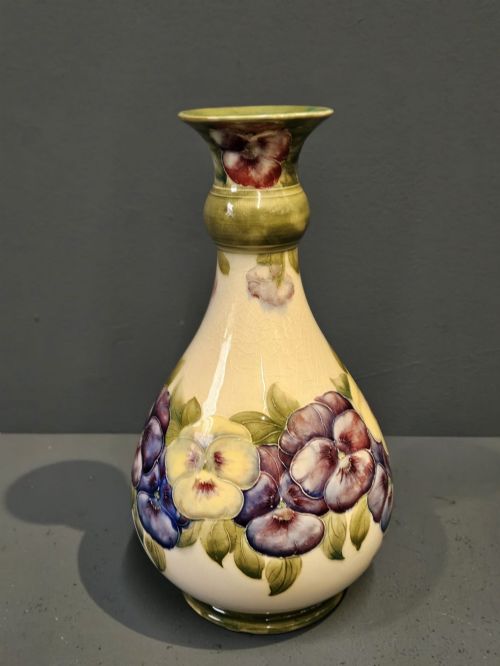
Makers constructed the primary furniture pieces using satinwood and mahogany veneers, often applying paint directly to the timber before sealing the surface with a clear polish. Porcelain items such as vases, bowls and cabinet dishes received hand-painted botanical watercolours or oils before undergoing a final kiln firing to fix the pigments.
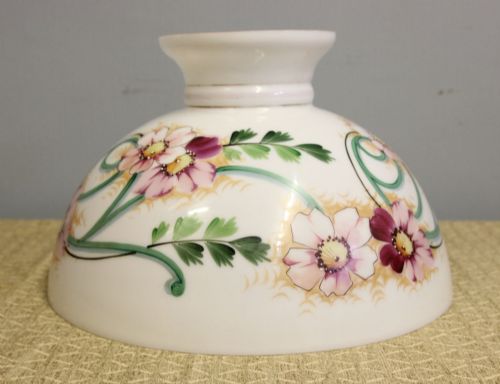
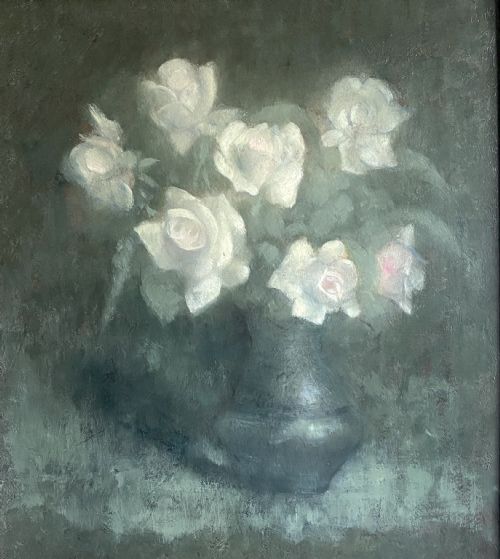
Artisans working on oil paintings and fine art panels applied pigments to prepared boards or canvases, capturing botanical subjects with fine brushes. Brass and glass elements supplemented these items, particularly in lighting fixtures and decorative vessels where painted ceramic fonts and glass shades were mounted onto metal bases.
What Varies in Quality
The standard of an edwardian floral painting depends significantly on the skill of the brushwork and the precision of the underlying form. Master painters achieved subtle tonal variations and botanical accuracy in floral subjects, whereas lesser examples display rigid, uniform brushstrokes with limited depth.
Material selection also dictates overall grade, distinguishing finely figured satinwood furniture and hand-thrown porcelain from more utilitarian commercial wares. The harmony between the painted decoration and the structural form determines the success of each piece.
Hampton and Sons London·Royal Crown Derby·Royal Worcester·Royal Doulton·Walker and Hall
The Edwardian Floral Painting Glossary
- Satinwood
- A pale, lustrous timber native to India and Ceylon, frequently utilised as a fine veneer on Edwardian cabinet furniture. It provides a bright, yellow ground that complements delicate painted floral decoration.
- Blush Ivory
- A specialised ceramic finish developed by Royal Worcester featuring a soft, cream-coloured matte glaze. It serves as a neutral background for hand-painted floral motifs.
- Demi-Lune
- A half-moon shape commonly applied to console tables and small cabinets designed to sit flat against a wall. This form allowed painted floral surfaces to be displayed within narrower hallways and drawing rooms.
- Cabinet Plate
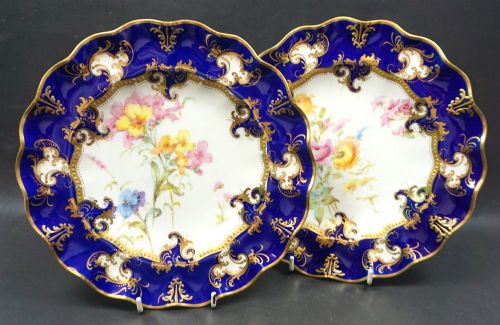
- A decorative ceramic dish intended purely for display on a wall or within a cabinet rather than for dining use. These pieces often feature detailed hand-painted botanical studies by named artists.
- Etagere
- A set of open tiered shelves used for displaying decorative objects and small porcelain pieces. They frequently incorporated painted satinwood panels and slender upright supports.
Edwardian Floral Painting: Frequently Asked Questions
How do I identify Edwardian floral painting?
Examine the brushwork closely for the freehand technique and subtle colour gradients characteristic of early twentieth-century botanical art. Pieces from this era typically appear on satinwood furniture or porcelain bodies carrying soft floral sprays.
Check the timber species and ceramic backstamps to confirm the period of manufacture. Genuine examples usually display period maker marks alongside the hand-painted artist details.
Where were these painted items placed?
These decorative objects found homes in formal drawing rooms, boudoirs and entrance halls of Edwardian residences. Cabinets and tables stood against walls to display small porcelain items.
Oil paintings and framed floral boards hung in parlours alongside painted screens. Lighting pieces such as oil lamps illuminated sitting rooms while exhibiting hand-painted glass and ceramic fonts.
Are these pieces suitable for daily use?
Painted satinwood furniture requires careful placement away from direct sunlight and moisture to protect the delicate surface artwork. Occasional tables and desks function well for light administrative tasks when treated gently.
Ceramic cabinet plates and decorative vases remain primarily ornamental rather than functional tableware. Preserving the painted surfaces requires dusting with soft cloths and avoiding abrasive cleaning agents.
What styles accompany floral painting?
Sheraton Revival design heavily influences many painted satinwood pieces from this era, featuring classical symmetry and delicate floral swags. Art Nouveau styles also appear, introducing more fluid, stylized plant forms.
Victorian and Rococo Revival elements occasionally emerge in heavier carved frames and ornate porcelain mouldings. These diverse stylistic influences reflect the eclectic taste of late nineteenth and early twentieth-century interior decorators.