




Edwardian Floral Ceramic Jar
An edwardian floral ceramic jar brings domestic warmth to a room, offering botanical charm shaped in porcelain and earthenware.
Edwardian Floral Ceramic Jar
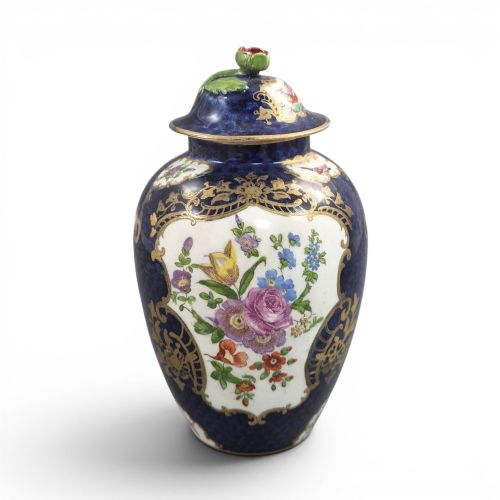
When searching for an edwardian floral ceramic jar, collectors encounter a selection of vases, biscuit barrels, and pot-pourri jars spanning the Edwardian and Victorian eras. These items display botanical and avian motifs painted across porcelain and earthenware bodies.
The pieces on this page lean heavily towards early twentieth-century British production, with notable examples from Royal Worcester and Crown Devon. Forms range from covered vases to fluted imari vessels reflecting diverse aesthetic influences of the period.
How they were made
Potters shaped these ceramics using porcelain and earthenware bodies, often applying a smooth glaze as a base for delicate hand-painted or flow blue decoration. Artisans then integrated enamel colours and gold leaf highlights to accentuate the floral and bird motifs.
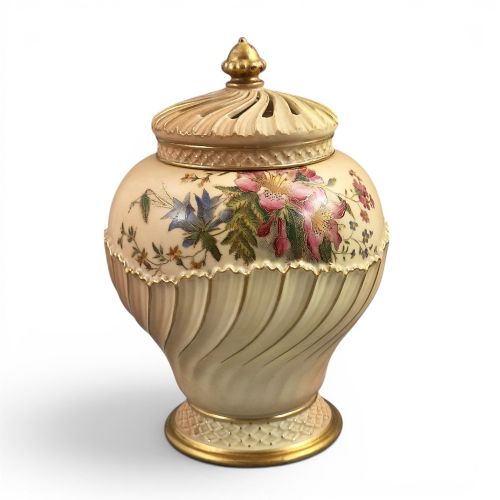
Covered pieces required precise kiln firing to ensure lids and bodies aligned correctly, particularly on complex shapes like blush ivory pot-pourri jars and footed urns.
Early biscuit barrels let guests sneak a dry snack while pretending to admire the hand-painted exotic birds.
What varies in quality
Quality rests upon the crispness of the hand-painted botanical detail and the richness of the underlying glaze. Pieces featuring well-preserved gilding and sophisticated colour palettes stand apart from simpler domestic wares.
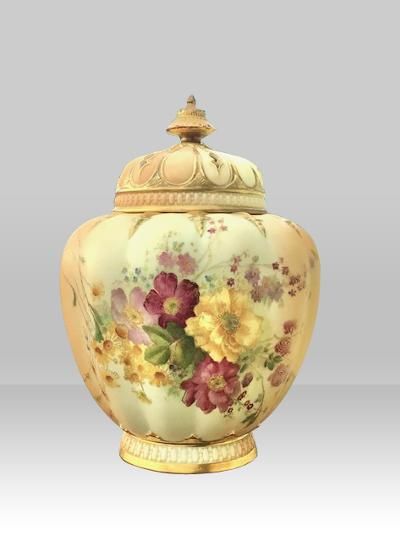
The complexity of the ceramic form also dictates distinction, as fluted bodies and specialised shapes like pot-pourri vessels demand greater skill from the potter and decorator than standard cylindrical jars.
Booths Silicon China·Royal Worcester·Crown Devon·Royal Doulton·Royal Crown Derby
The Edwardian Floral Ceramic Jar Glossary
- Blush Ivory
- A soft cream-coloured ceramic ground developed by Royal Worcester, typically decorated with gilt and floral sprays. It gained immense popularity during the late Victorian and Edwardian periods.
- Flow Blue
- A cobalt blue transfer-printing technique where the colour blurred slightly into the glaze during firing. This effect created a soft, misty appearance reminiscent of Chinese porcelain.
- Pot-Pourri
- A ceramic jar or vase fitted with a pierced cover designed to diffuse dried scented flower petals into a room. These vessels often feature elaborate mouldings and hand-painted floral decoration.
- Imari
- A style of ceramic decoration featuring iron red, cobalt blue, and gold, originally inspired by Japanese export wares. British potteries frequently adopted this palette for decorative vases and urns.
Edwardian Floral Ceramic Jar: Frequently Asked Questions
What were biscuit barrels used for?
Biscuit barrels served as lidded containers placed on dining and drawing room tables to hold dry sweet biscuits. They typically included a plated metal lid and swing handle for easy service during afternoon tea.
Over time, these ceramic vessels transitioned from functional dining accessories into decorative display pieces within the Edwardian home.
How do I identify Edwardian ceramics?
Edwardian ceramics often display softer pastel colour palettes, naturalistic floral motifs, and lighter decorative forms compared to heavier Victorian designs. Many pieces bear maker marks or registration numbers on the base that help pinpoint their decade of production.
Examining the glaze and hand-painted details also provides context regarding the prevailing aesthetic tastes of the early twentieth century.
Where should I display a decorative jar?
These jars look effective when placed on mantelpieces, sideboards, or open shelving where their colour and form can be appreciated closely. Covered vessels and urns add height and architectural interest to a room arrangement.
Keep them away from direct heat sources and bright sunlight to protect the enamel decoration and gilt highlights over time.
What is blush ivory porcelain?
Blush ivory is a specialised ceramic finish characterised by a warm, matte cream background that mimics the tone of ivory. Factories utilised this surface as a canvas for delicate, naturalistic floral painting heightened with gold.
This technique became a defining feature of luxury ornamental ceramics around the turn of the twentieth century.