
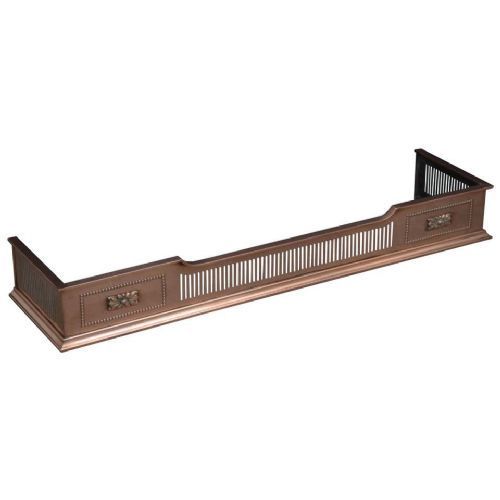



Edwardian Fire Surround
An edwardian fire surround brings architectural presence to a room, offering a crafted focal point for a period interior.
Edwardian Fire Surround
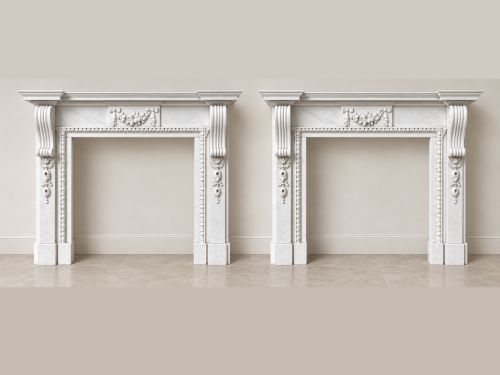
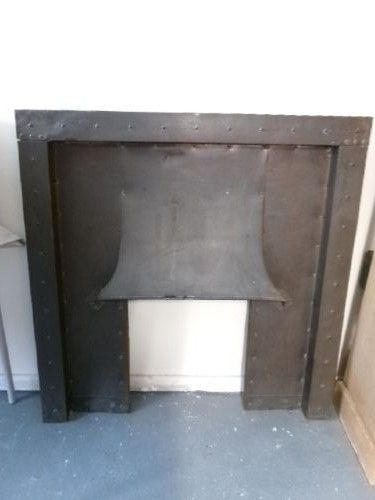
When you search for an edwardian fire surround, you encounter architectural woodwork designed to frame a domestic hearth. These pieces anchor a room, serving as the primary decorative structure around the fireplace opening.
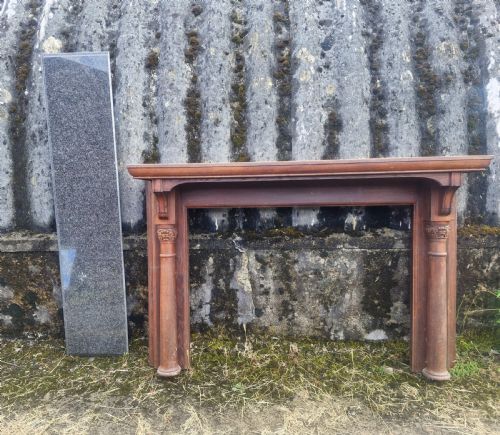
On this page, timber versions predominate, appearing in oak, mahogany, and pine. They span simple panelled designs to large carved formats, occasionally incorporating side columns or granite tops.
The period also intersects with earlier nineteenth century work and later transitional forms, reflecting the lingering weight of Victorian proportion alongside cleaner Edwardian lines.
Materials and Construction
Makers of the period relied on solid hardwoods like oak and mahogany, alongside softer pine destined for painted finishes. Carving was executed by hand, applying floral motifs, linenfold, or classical detailing directly to the timber.
Surrounds frequently integrate secondary materials such as white marble inserts or granite hearth tops. Joinery methods relied on traditional tenon and mortise framing to ensure stability across wide mantel spans.
Some surrounds arrive with stubborn traces of Edwardian coal dust tucked deep inside the carved oak leaves.
Judging Quality
The division between standard domestic joinery and finer examples rests in the depth and crispness of the timber carving. Heavy gauge construction and well-proportioned mantel shelves separate substantial architectural pieces from lighter production work.
Selection of the timber grain and the integrity of original joints dictate longevity. Pieces retaining untouched surfaces and coherent original proportions hold greater architectural weight than altered examples.
Sir Edwin Lutyens
The Edwardian Fire Surround Glossary
- Edwardian
- A stylistic period spanning the reign of King Edward VII and surrounding years, characterised by lighter proportions and eclectic revivals.
- Overmantel
- A mirror or decorative panel designed to sit directly above the mantel shelf of a fireplace.
- Club Fender
- A low fireside seat with upholstered cushions, traditionally framed in brass, steel, or oak.
- Patera
- A circular decorative motif carved or applied in relief, resembling a classical libation dish.
- Curb Fender
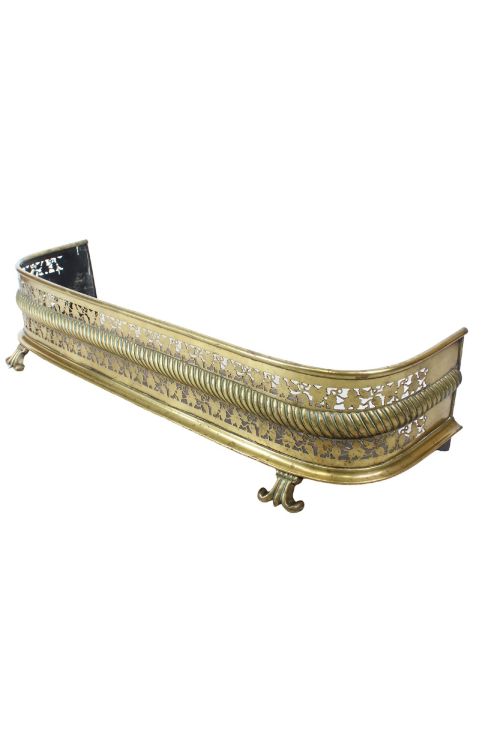
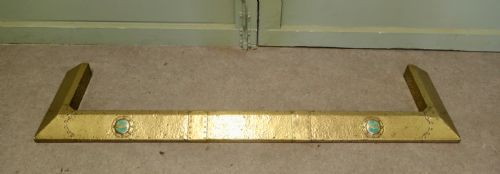
- A low metal barrier placed on the hearth to contain sparks and rolling embers.
Edwardian Fire Surround: Frequently Asked Questions
How do I choose the right size?
Measure the height and width of your existing fireplace opening before selecting a surround. Proportions must align with both the hearth dimensions and the scale of the room.
Larger spaces accommodate heavy carved timber frames, while compact rooms require simpler profiles to maintain balance.
Can I paint an oak surround?
Most Edwardian timber surrounds were designed to show the natural grain of oak or mahogany. Applying modern paint finishes alters the historic character of the timber.
Pine versions, conversely, frequently received paint or stain from the outset and accept new finishes readily.
What maintenance does wood need?
Timbers require minimal intervention, benefiting mainly from occasional application of quality beeswax to nourish the dry surface. Avoid placing damp items or excessive heat sources directly against unprotected wood.
Regular dusting with a soft cloth preserves the natural patina built up over decades of domestic use.
How do Edwardian styles differ?
Edwardian design often combined neoclassical symmetry with elements drawn from arts and crafts traditions. Surrounds from this era tend to be less heavy than Victorian precedents.
Clean lines and restrained classical mouldings mark the typical output of the period.