



Edwardian Engraved Wine Glass
An edwardian engraved wine glass brings delicate surface detail and clear lead crystal to the table, offering a refined way to serve evening drink.
Edwardian Engraved Wine Glass
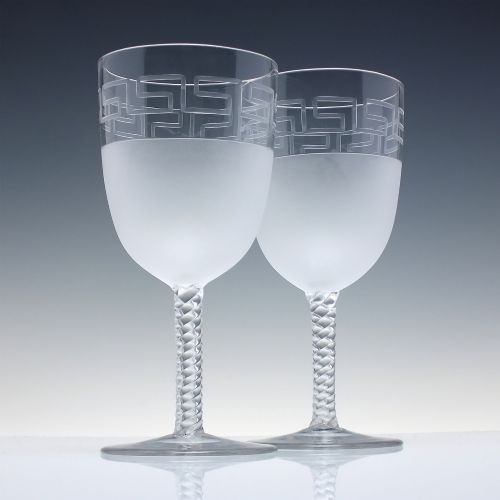
An edwardian engraved wine glass covers drinking vessels produced during the early twentieth century, alongside related tableware such as goblets and decanters. You will frequently encounter matching pairs and larger sets featuring wheel-cut or intaglio decoration across clear and coloured crystal.
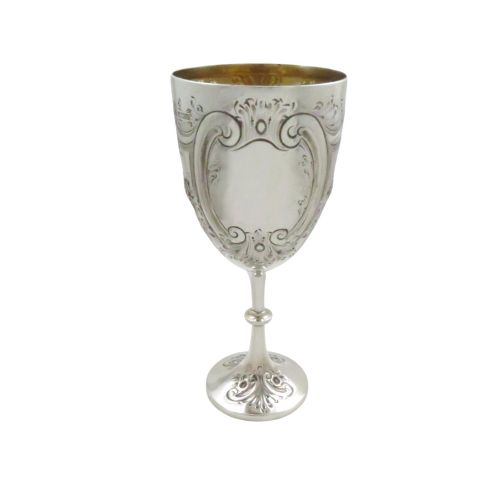
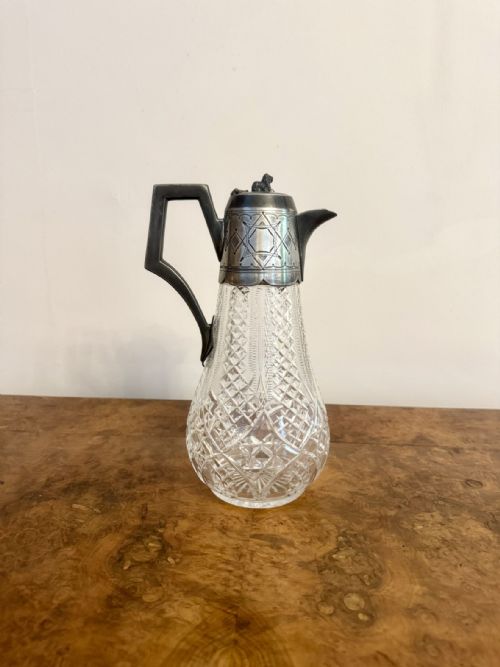
The selection ranges from tall ale glasses and wine goblets to larger drinking services and carafes. Makers combined glass with silver plate and sterling silver mounts, creating pieces that span Edwardian, Victorian, and Art Nouveau aesthetics.
How they were made
Craftsmen shaped lead crystal and clear glass by hand before applying detailed wheel-engraving and intaglio techniques to the surface. Makers such as Stevens & Williams and Webb Corbett produced intricate floral and geometric motifs directly onto the glass body.
Metal components involved sterling silver and silver plate, often worked into rims, handles, and mounts. Workshops utilised wrought iron frames and gold gilt highlights to accent the glassware on specific decanters and carafes.
Edwardian Engraved Wine Glass Retail Price Guide 2026
Typical asking prices for edwardian engraved wine glass among the pieces listed under this phrase on Sellingantiques today, from the lower quarter to the upper quarter. They describe what is for sale here now, not the wider market.
Some amber Roemers survived a century of toasts without a single chip on their prickly glass stems.
What varies in quality
The depth and clarity of the intaglio or wheel engraving separate standard production from finer studio work. Crisp, deeply cut motifs show superior hand control compared to shallow surface scratching.
The weight and purity of the lead crystal, combined with the substantial gauge of any silver mounts, dictate the overall calibre of the piece. Matching sets with uniform glass thickness and unblemished metalwork represent the upper tier of surviving examples.
Stevens and Williams·Webb Corbett·William Comyns·William Davenport
The Edwardian Engraved Wine Glass Glossary
- Intaglio
- A technique where the design is carved into the surface of the glass rather than raised in relief. This method creates smooth, recessed motifs that catch the light.
- Lead crystal
- Glass containing lead oxide, which increases brilliance, weight, and clarity. It allows for finer and sharper cutting during the engraving process.
- Roemer
- A traditional Germanic wine glass featuring a wide bowl on a cylindrical decorated stem. These vessels often appear in coloured glass with applied prunts.
- Sterling silver
- An alloy consisting of ninety-two point five percent silver by mass. It appears frequently on the rims and mounts of period decanters and jugs.
- Silver plate
- A thin layer of silver applied to a base metal foundation. It provides the appearance of solid silver on claret jug mounts and handles.
Edwardian Engraved Wine Glass: Frequently Asked Questions
Are these glasses safe for daily use?
Most antique crystal pieces remain structurally sound for occasional dining and celebratory toasts. Hand washing preserves the delicate engraved motifs and prevents chemical damage from modern dishwashers.
Take care when storing taller goblets and wine glasses to avoid rim chipping. Keeping them in a dedicated cabinet protects both the glass and any integrated silver mounts.
How can I identify Edwardian glassware?
Edwardian pieces often combine lighter forms with crisp floral intaglio engraving, reflecting the transition away from heavy Victorian styles. Look for clean lines alongside Art Nouveau influences in the accompanying silver mounts.
Maker signatures or registration marks etched into the base offer definitive clues to origin and date. Comparing the weight and depth of the cut patterns helps distinguish them from later reproductions.
What is the difference between crystal and glass?
True crystal contains lead oxide, which gives the material greater weight, brilliance, and a resonant ring when struck gently. This composition is softer than standard glass, making it ideal for deep wheel engraving.
Standard glass lacks this lead content and feels noticeably lighter in the hand. Examining how the material refracts light reveals the distinct quality of the vessel.