





Edwardian Enamelled Silver Case
These edwardian enamelled silver case pieces combine solid metalwork with vitreous colour, offering a portable luxury that fits neatly into the palm of your hand.
Edwardian Enamelled Silver Case
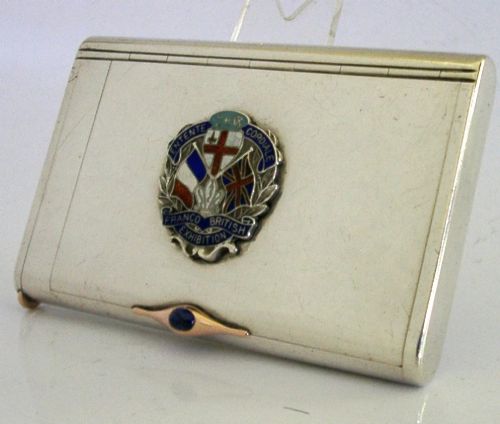
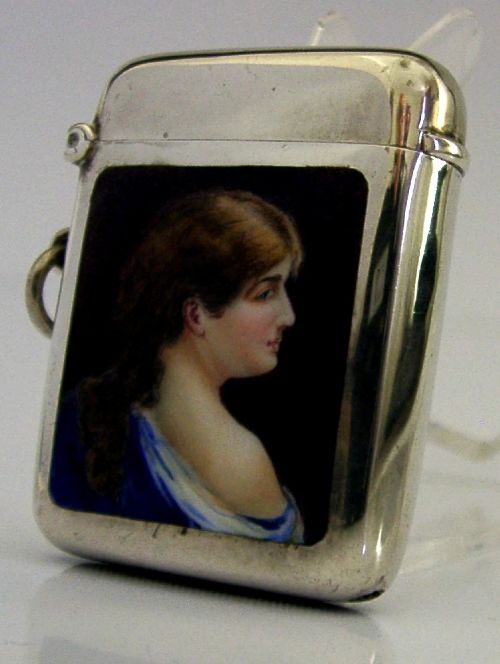
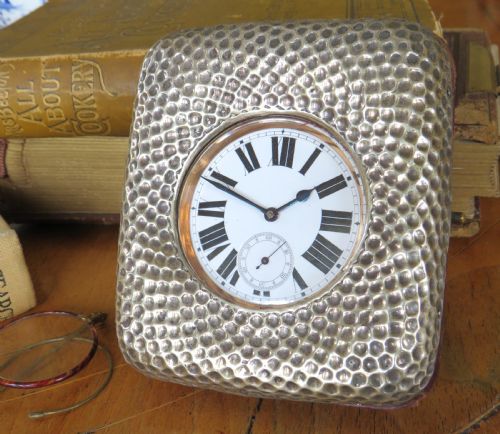
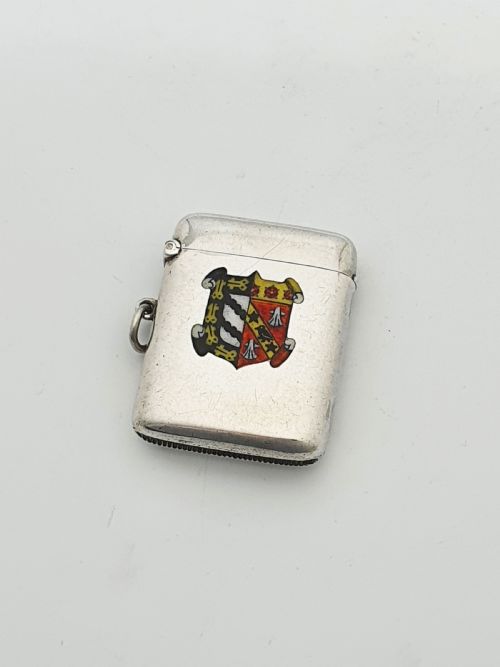
An edwardian enamelled silver case encompasses a variety of small personal accessories, from pocket vestas and cigarette holders to travel clocks and card cases. Most examples encountered on this page date from the Edwardian period through to the 1920s, reflecting a high point in decorative portable objects.
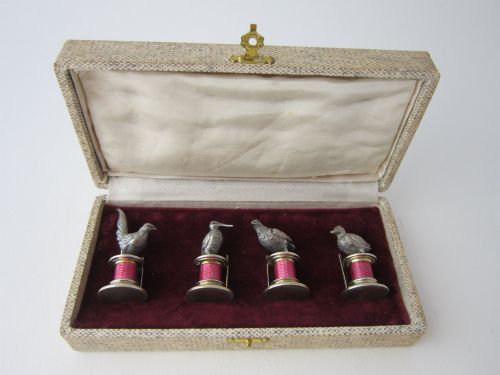
The functional forms serve specific daily needs of their original owners, such as keeping matches dry, holding visiting cards or telling the time on a desk. Alongside these pocket items, the selection includes decorative table pieces like menu holders and small boudoir clocks housed in silver frames.
While many objects hail from British assay offices such as Birmingham and Chester, continental pieces also appear within the selection. The primary uniting factor across these diverse items is the combination of silver structure with applied enamel decoration.
How they were made
The foundation of each piece is sterling silver or standard silver, often shaped through stamping, casting or hand-chasing to form the outer shell. Interiors are sometimes lined with materials like velvet or leather, particularly in travel clocks and card cases.
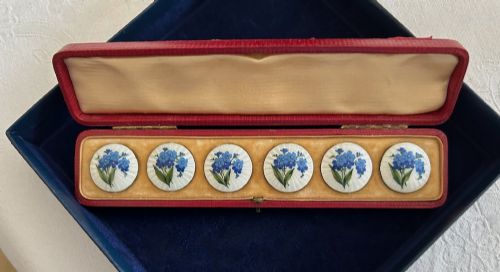
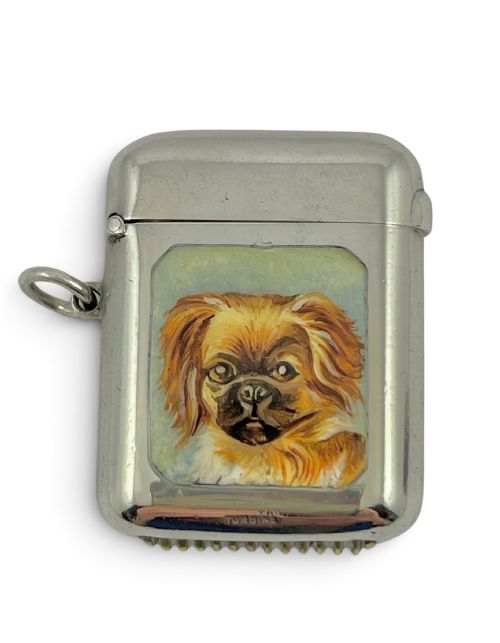
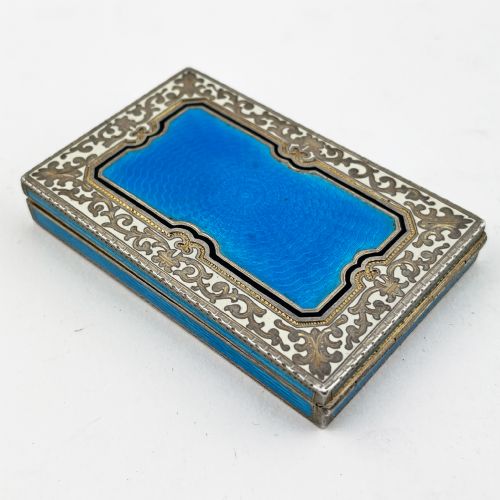
Enamel is applied to the silver surface in various forms, including translucent guilloche patterns machined into the metal or hand-painted floral and figural scenes. Vitreous enamel is fused to the silver base through high-temperature firing, creating a glossy, durable finish that contrasts with the polished metal.
Listings span multiple decades, incorporating Edwardian, George V, and Art Deco styles alongside nineteenth-century examples.
What varies in quality
Quality in these pieces is dictated by the crispness of the silver chasing and the complexity of the enamel work. Hand-painted details or intricate engine-turned guilloche patterns require a higher level of artisan skill than plain enamelling or simple stamped silver mounts.
The preservation of the enamel surface significantly influences the overall standard of an object, as does the clarity and completeness of the maker marks and assay stamps. Well-executed hinges, secure closures and intact interior linings further separate standard utility pieces from finer examples.
Henry Matthews·Liberty And Co·Sampson Mordan
The Edwardian Enamelled Silver Case Glossary
- Vesta case
- A small pocket container designed to hold matches and keep them dry. These often feature spring-loaded lids and striking panels on the base.
- Guilloche enamel
- A decorative technique where a precise geometric pattern is mechanically engraved into the silver beneath a translucent layer of enamel. This method allows light to reflect through the coloured glass surface.
- Assay mark
- A stamp or series of stamps applied to silver items to indicate purity, the place of testing, and the year of manufacture. British pieces typically show a lion passant and an anchor, leopard head or other town mark.
- Menu holder
- A small desk or table accessory designed to display a place card or menu at a formal dinner. They frequently take miniature pictorial forms, such as flags or sentry boxes.
- Boudoir clock
- A small portable timepiece intended for domestic interior display, often housed in an ornate silver case with glass panels. These travel clocks were popular desk and bedside accessories during the early twentieth century.
Edwardian Enamelled Silver Case: Frequently Asked Questions
What is an edwardian enamelled silver case used for?
These items served various personal and domestic functions in the early twentieth century, holding items like matches, cigarettes, visiting cards or stamps.
Others functioned as portable timepieces or table accessories to hold dinner menus and place cards during formal meals.
How do I date an enamelled silver piece?
Dating relies heavily on the hallmarks stamped into the silver, which indicate the specific assay office and year letter.
Stylistic cues such as the transition from Edwardian floral motifs to geometric Art Deco designs also help narrow down the period of manufacture.
What is guilloche enamel?
Guilloche is a decorative technique involving a mechanical lathe that etches precise geometric patterns into the silver base metal.
Translucent enamel is then applied over the engraved pattern, creating a shimmering depth that catches the light.
Are these cases made of sterling silver?
The majority of pieces from British makers are struck in sterling silver, denoted by the standard lion passant hallmark.
Continental European examples may use different silver standards, while internal components often incorporate glass, leather or velvet linings.