

Edwardian Dressing Table Box
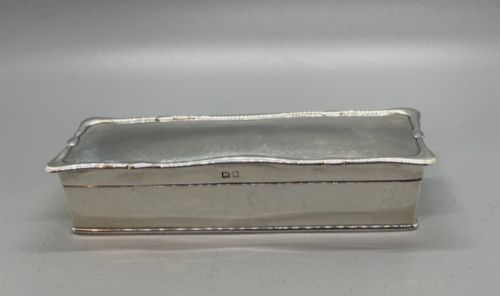
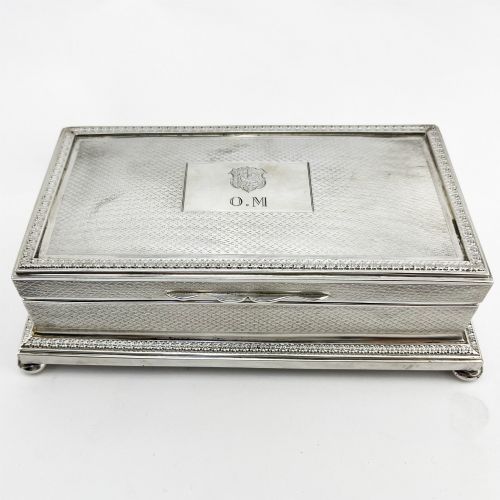
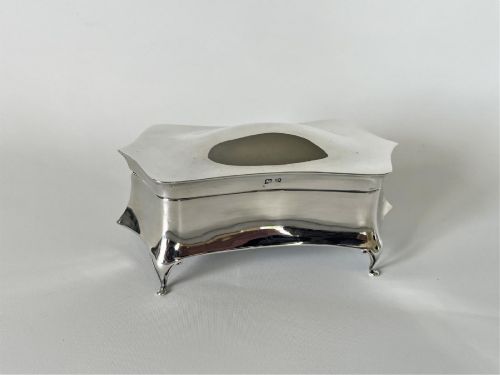
An edwardian dressing table box holds daily adornments on a bedroom surface, bringing polished metal and glass to a dressing room.
Edwardian Dressing Table Box
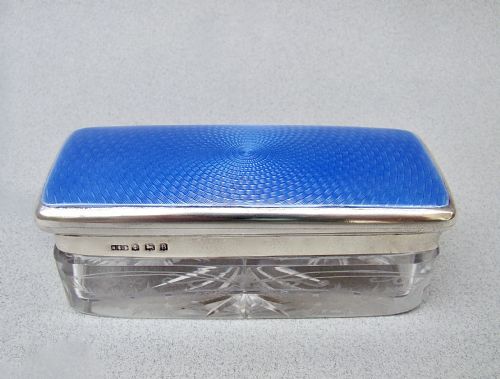
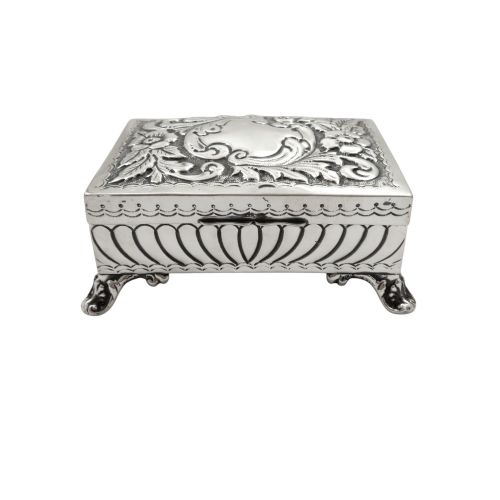
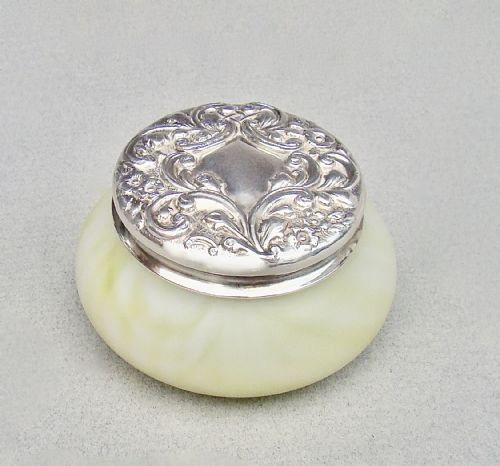
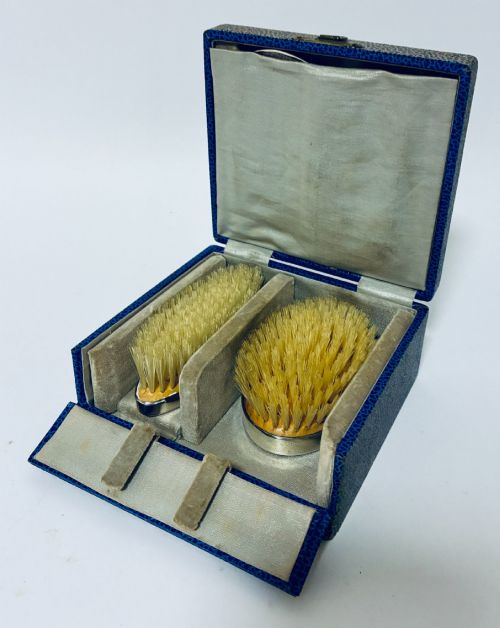
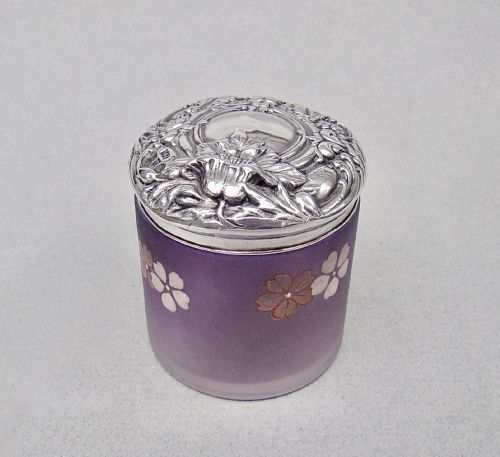
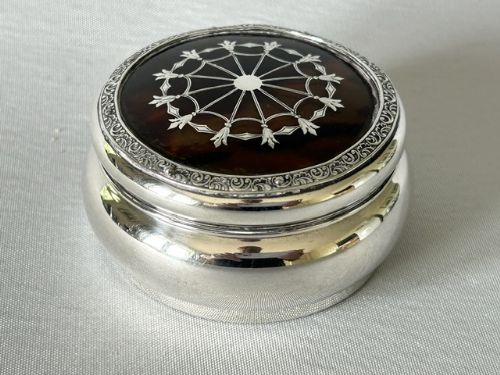
An edwardian dressing table box encompasses small lidded receptacles created to contain pins, rings, and cosmetics upon a dressing surface. They appear most frequently as sterling silver containers fitted with hinged lids, often paired with cut glass or satin glass bodies.
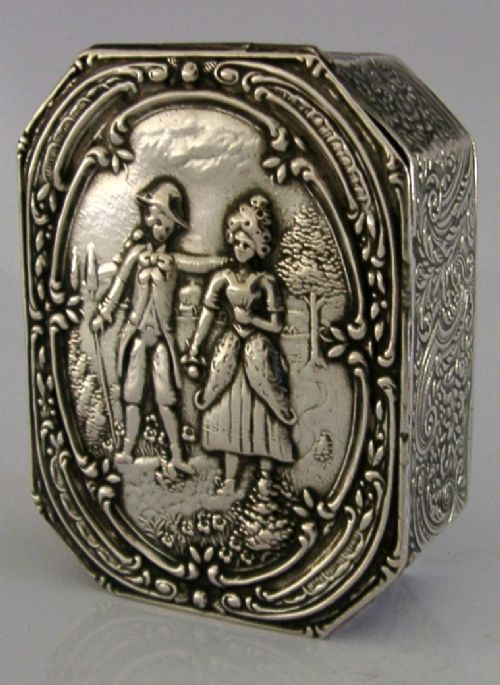
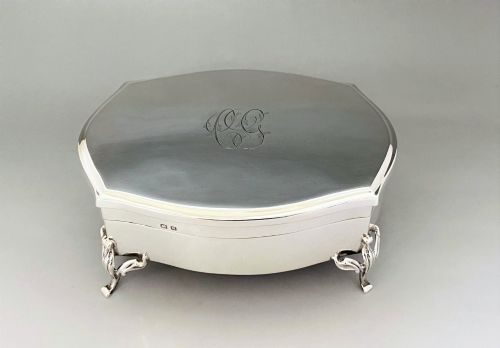
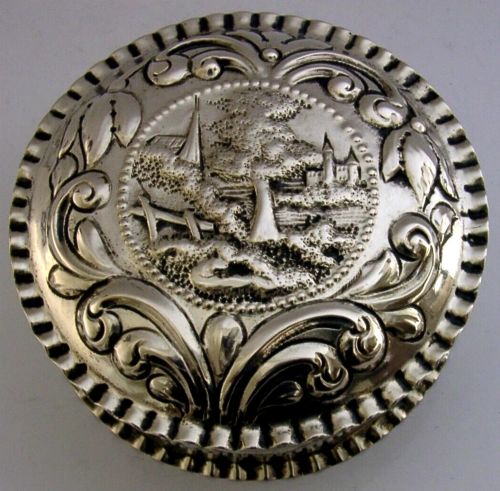
The selections span from compact heart-shaped trinket dishes to substantial caskets with embossed floral scenes or smooth silver panels. While Edwardian examples dominate, related forms stretch from Victorian burr walnut boxes to later George V iterations.
Makers utilised various functional interior layouts, incorporating velvet linings and divisions to protect fragile jewellery and small personal items. These receptacles served a practical domestic purpose in period bedchambers while adding ornamental refinement.
How they were made
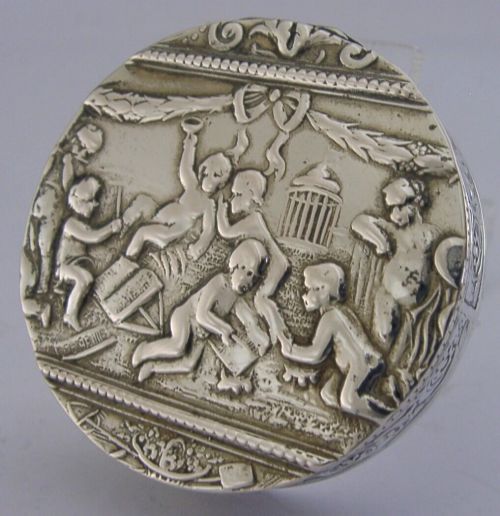
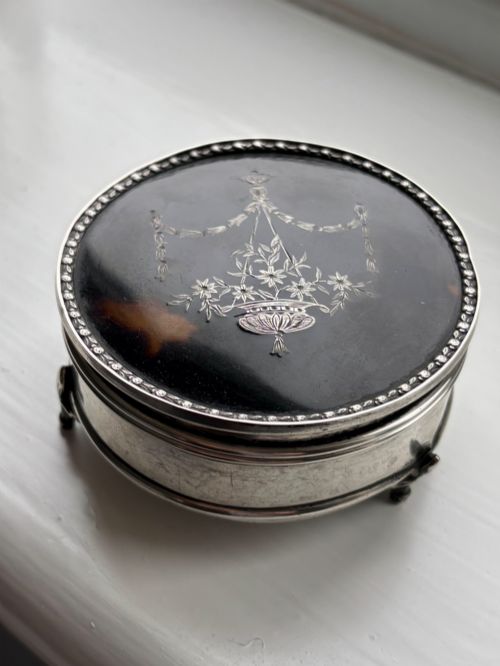
Silversmiths shaped sterling silver through hammering, casting, and embossing, frequently decorating lids with repoussé cherubs, flowers, or geometric motifs. Workshops incorporated organic materials such as tortoiseshell and mother-of-pearl inlay, alongside guilloché enamel and pique work.
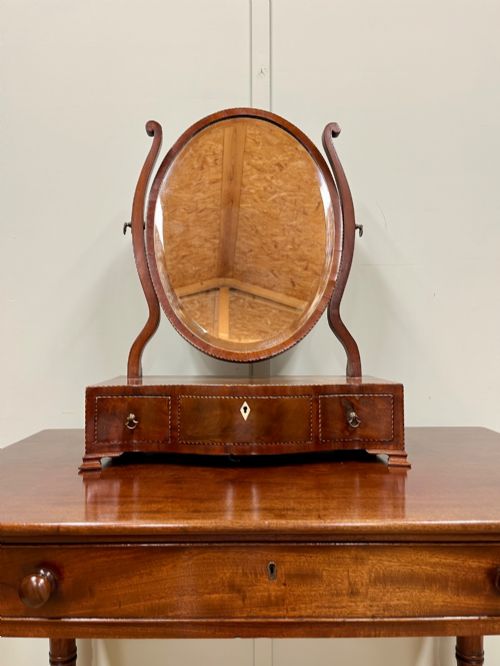
Glass containers relied on mould-blown or cut glass techniques, topped with hallmarked silver collars and matching lids. Woodworkers constructed larger vanity cases from mahogany, satinwood, and burr walnut, applying brass mounts and internal mirrors.
Listings feature sterling silver, cut glass, satin glass, tortoiseshell, and mahogany across Edwardian, Victorian, and Georgian periods.
What varies in quality
The gauge of the metal and the crispness of the chased or embossed decoration dictate the primary tier of craftsmanship in silver boxes. Heavier gauge silver retains structural integrity and sharp detail across figural scenes and floral borders.
Integration of specialised materials like tortoiseshell, enamel, or hand-cut glass elevates an item beyond standard production pieces. Maker attribution to notable workshops also influences the standing of individual boxes.
Ollivant & Botsford·Henry Clifford Davis·A. Bromet & Co·Asprey & Co·William Comyns·William Hutton·Elkington & Co·Nathan & Hayes·William Neale & Sons
The Edwardian Dressing Table Box Glossary
- Guilloché enamel
- Enamel decorated with intricate engine-turned geometric patterns beneath a translucent coloured layer. This technique adds depth and decorative colour to silver lids.
- Repoussé
- Metalworking technique where silver is hammered from the reverse side to create a raised relief design on the front. It frequently depicts floral or figural scenes.
- Pique work
- Inlay technique utilising tiny gold or silver pins pressed into tortoiseshell or ivory to form delicate motifs. It appears on luxury vanity accessories.
- Satin glass
- Glass treated with an acid bath to produce a velvety, frosted surface texture. It provides a soft backdrop for silver mounts.
- Hallmark
- Official stamp applied to precious metals indicating the assay office, standard of purity, and year of manufacture. It allows precise dating of silver pieces.
Edwardian Dressing Table Box: Frequently Asked Questions
What fits inside an edwardian dressing table box?
These receptacles accommodated small personal items including rings, brooches, hairpins, and occasionally cosmetics or visiting cards.
Their velvet-lined interiors protected delicate pieces from scratching while resting on a bedroom surface.
How do I date a silver dressing table box?
Assay office marks and date letters stamped into the silver provide the exact year of manufacture and testing.
Stylistic cues such as Art Nouveau curves or Edwardian floral embossing also point to the period of origin.
Were these boxes used for travel?
Smaller variants functioned primarily as static dressing table accessories rather than robust travel luggage.
Larger fitted vanity cases and caskets included secure locks and internal compartments designed for transit.
What is faux tortoiseshell?
Faux tortoiseshell mimics the mottled amber and brown patterns of real shell using alternative materials like stained horn or celluloid.
It offered a similar decorative effect on dressing table sets during the early twentieth century.