

Edwardian Display Unit
An edwardian display unit provides elegant domestic storage, combining glass and timber to showcase treasured collections with period grace.
Edwardian Display Unit
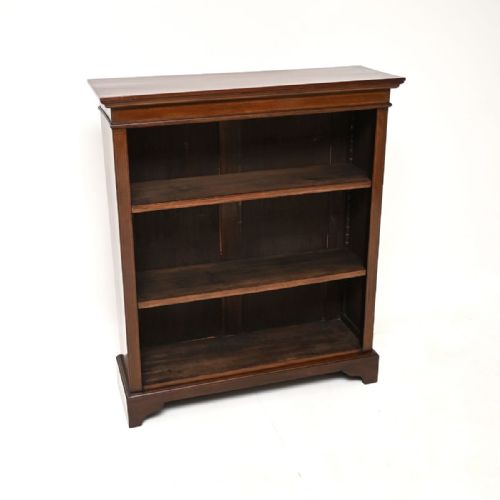
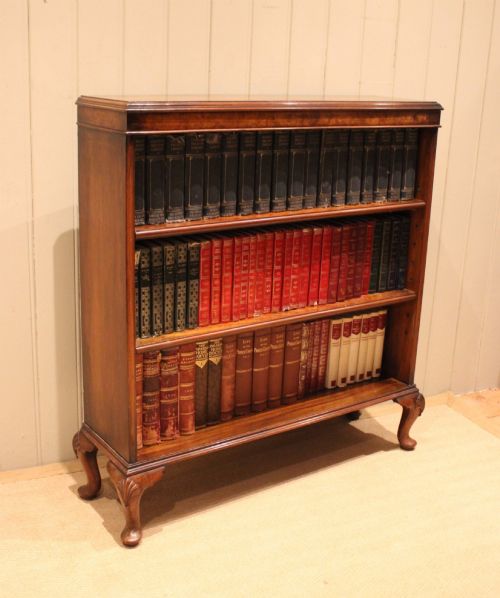
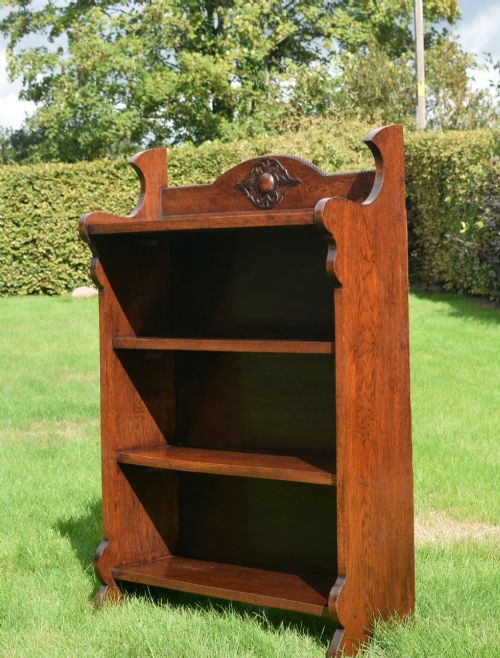
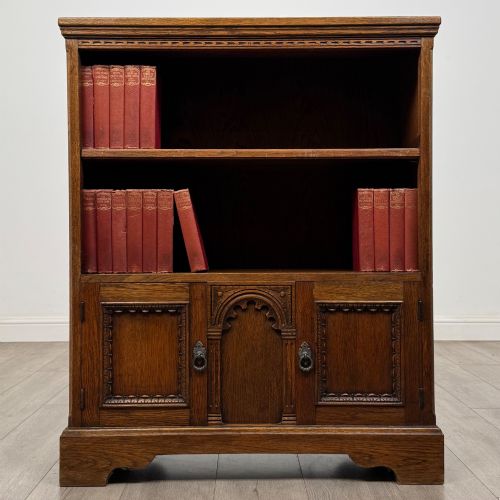
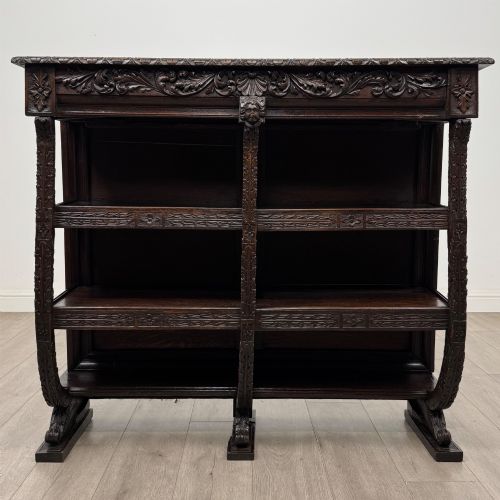
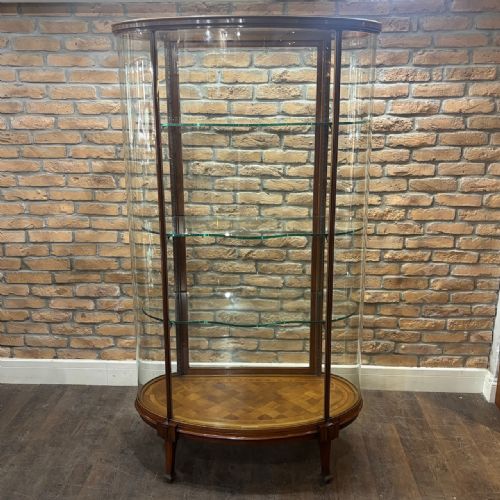
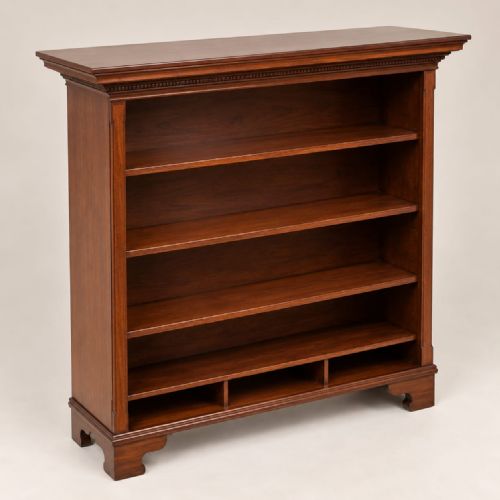
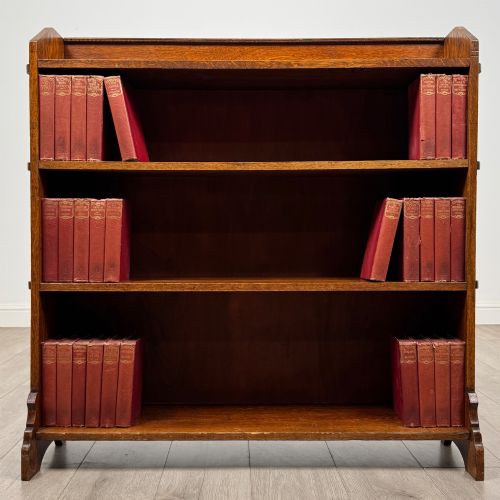
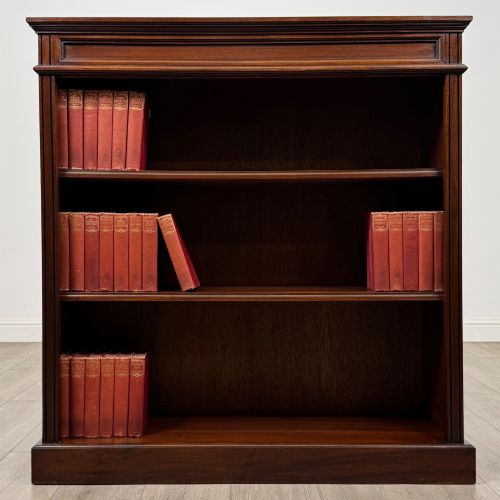
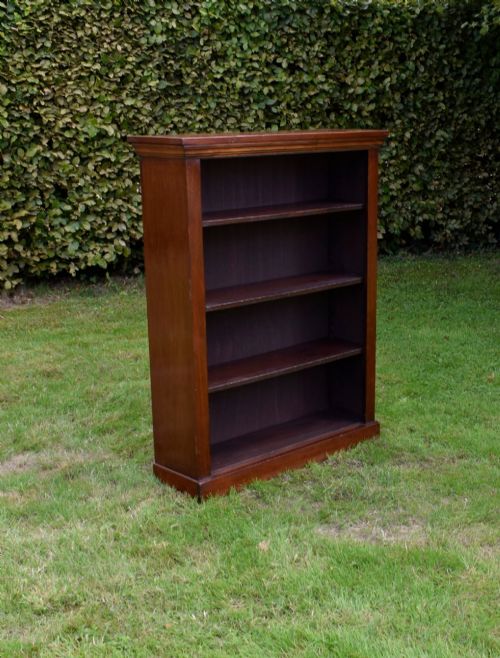
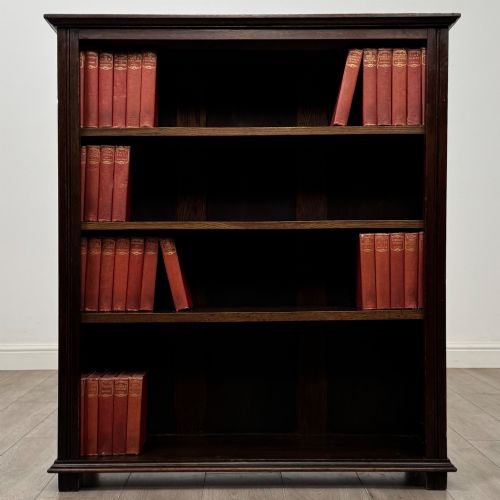
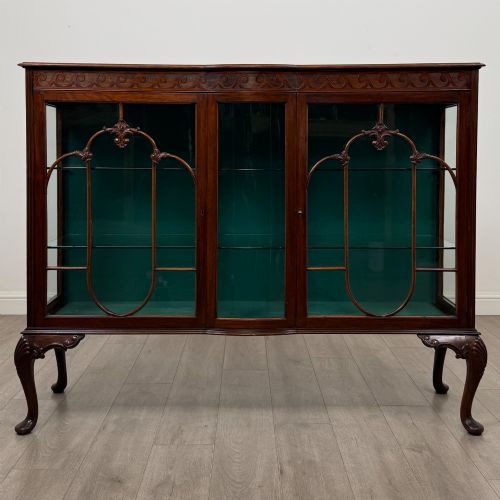
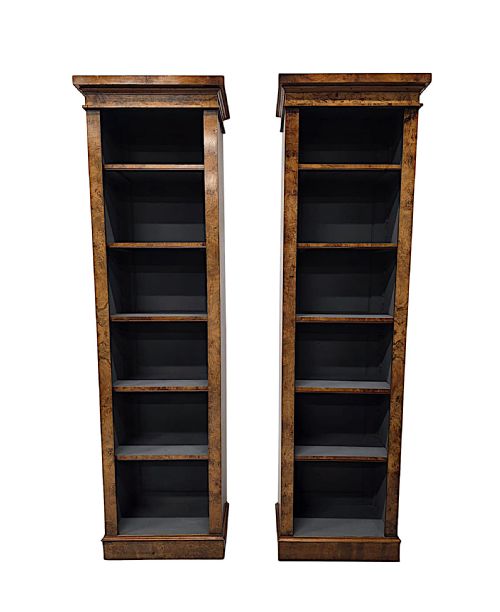
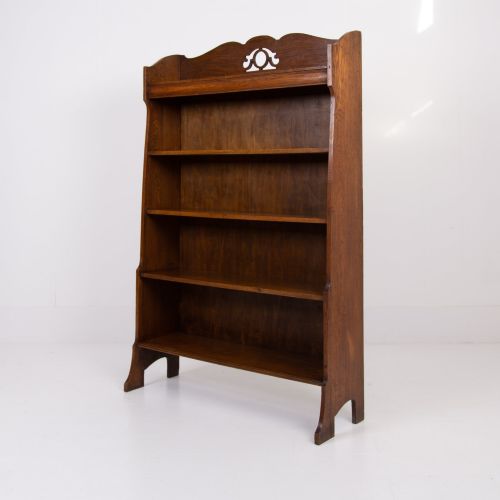
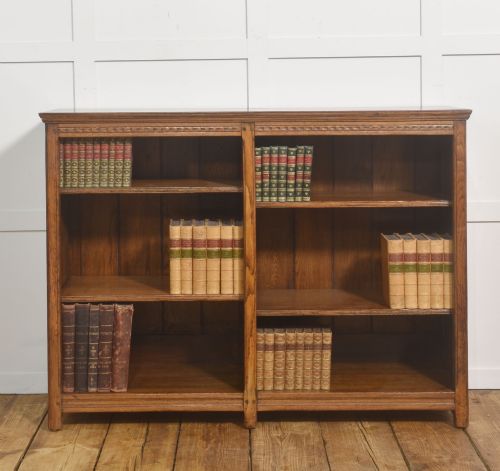
When you search for an edwardian display unit, you encounter pieces designed to exhibit books and curiosities within the home. The selection relies heavily on open bookcases, glazed display cabinets, and corner cupboards produced during the early twentieth century.
Most examples originate from the Edwardian period or the late Victorian era, spanning styles from straightforward oak constructions to revival designs in mahogany and walnut.
Materials and Technique
Cabinetmakers utilised primary timbers such as mahogany, oak, and burr walnut, frequently incorporating satinwood inlay for decorative contrast. Structural stability was aided by brass fittings, including castors on movable shelving and cabinet bases.
Glazing techniques framed the contents behind clear glass panels, whilst adjustable shelving mechanisms allowed owners to alter internal storage heights for books and display items.
Listings feature oak, mahogany, walnut, and burr walnut across Edwardian and Victorian eras.
Judging the Standard
Quality rests on the selection of timber veneers and the precision of inlaid details, where finely cut satinwood motifs elevate simple mahogany frames. The integrity of the joinery and the original hardware, such as brass castors and hinges, distinguish finer examples from standard utility pieces.
Proportion and execution define the hierarchy among revival styles, with thoughtful carving and balanced shelving layouts separating superior cabinets from ordinary workshop production.
F. Sage and Co
The Edwardian Display Unit Glossary
- Edwardian
- A period spanning the reign of King Edward VII, characterised by lighter furniture forms and eclectic revival styles. It follows the Victorian era and precedes the First World War.
- Inlay
- A technique where contrasting woods or metals are inserted into depressions within a solid timber surface to create decorative patterns. Satinwood is frequently used for this purpose.
- Waterfall bookcase
- A tiered shelving unit where each successive shelf steps back from the one below, creating a cascading profile. These pieces often feature delicate upright supports.
- Corner cupboard
- A cabinet specifically constructed to fit into the angle of a room, saving floor space while offering display or storage capacity. Many examples feature curved or glazed doors.
Edwardian Display Unit: Frequently Asked Questions
How do I identify an Edwardian piece?
Edwardian furniture typically displays lighter timbers, restrained inlay work, and revival influences drawn from Georgian and Sheraton styles. The construction generally appears less heavy than preceding Victorian designs.
Examination of the timber grain, drawer linings, and hardware can help confirm the period of manufacture, distinguishing Edwardian items from later reproductions.
Where should I place a corner cabinet?
A corner cabinet fits neatly into empty room angles, utilising unused space to display collectibles or store volumes without crowding the main floor area.
Positioning these cabinets away from direct sunlight helps protect sensitive timber finishes and fragile book bindings from fading over time.
Are shelves usually adjustable in these cabinets?
Many bookcases and display units from this period incorporate adjustable shelving supported by rack systems or wooden pegs, allowing customisation of interior vertical spaces.
This adaptability makes it straightforward to accommodate volumes of varying heights or mixed collections of ceramics and glassware.