
Edwardian Dining Table Accessory
These edwardian dining table accessory items bring refined domestic detail to the table, and collectors prize them for their craftsmanship and period charm.
Edwardian Dining Table Accessory
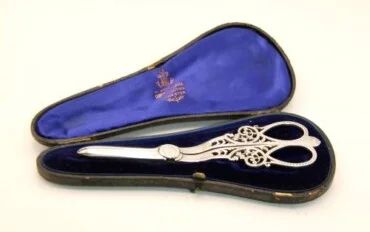
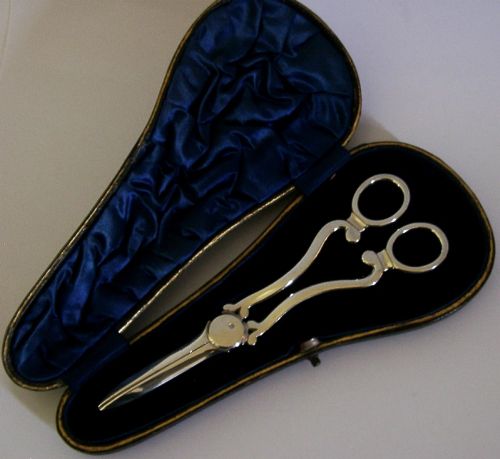
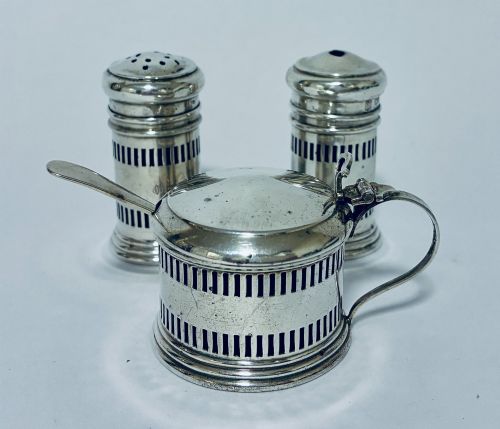
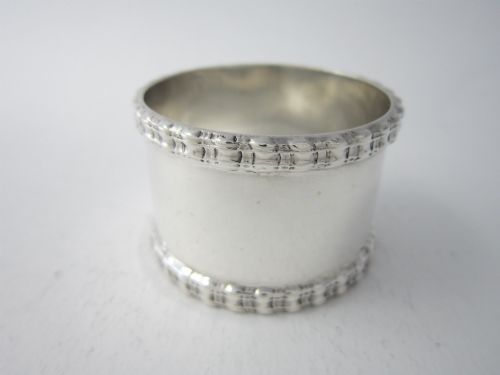
An edwardian dining table accessory encompasses a broad range of functional small items designed for the dining room, spanning menu holders, napkin rings, knife rests, toast racks, cruet sets, and grape shears. Many pieces date from the Edwardian period itself, alongside related items from late Victorian, George V, and later decades that share the same formal dining purpose.
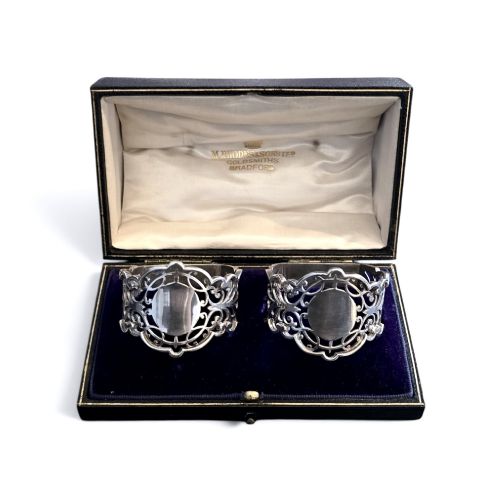
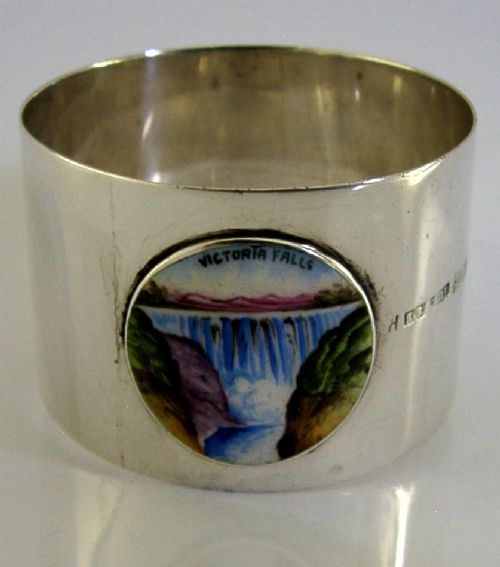
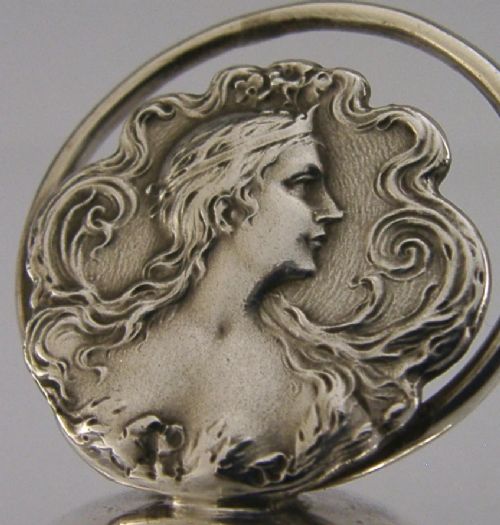
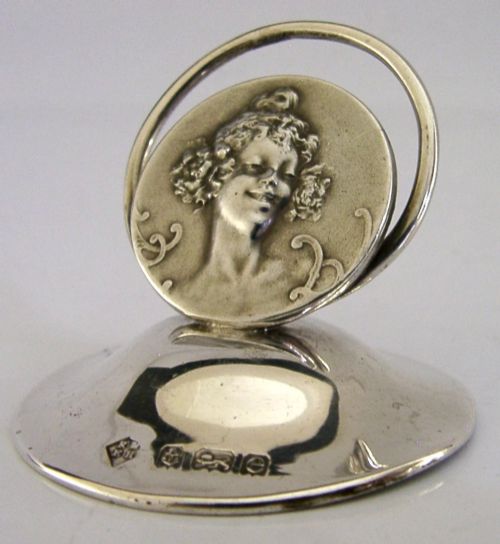
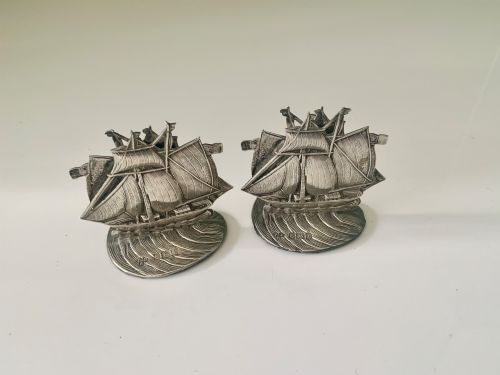
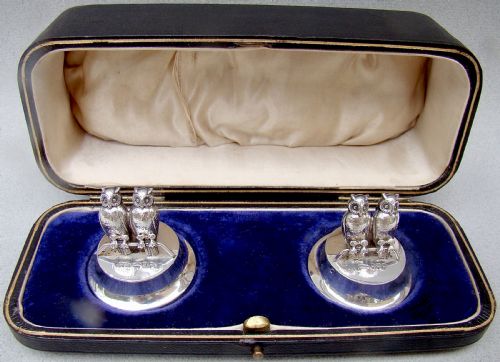
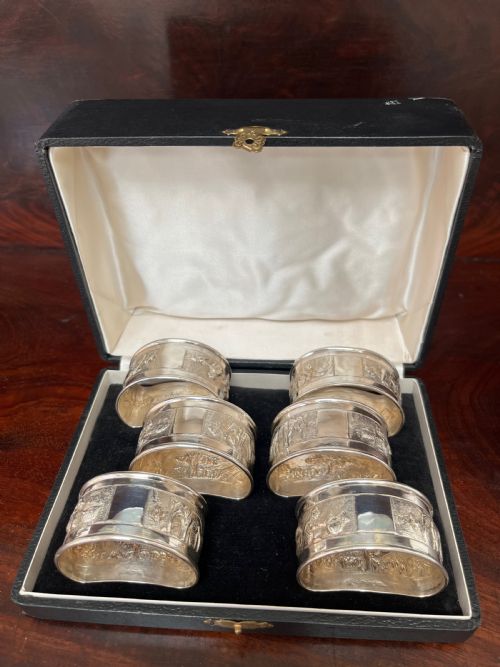
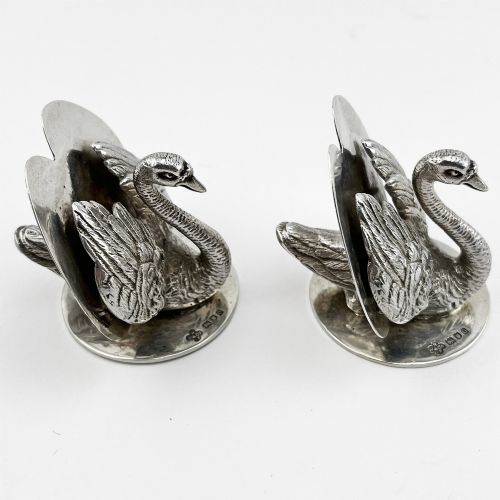
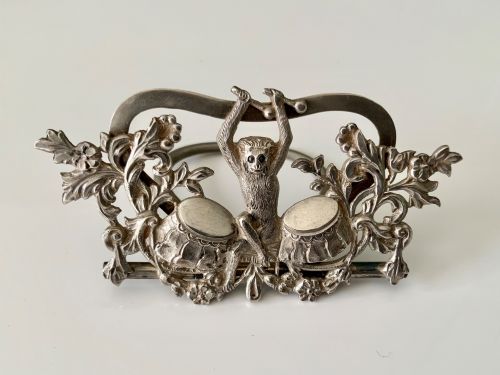
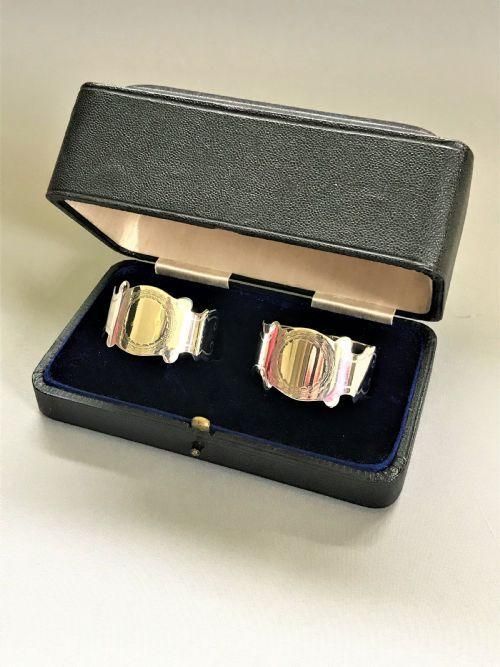
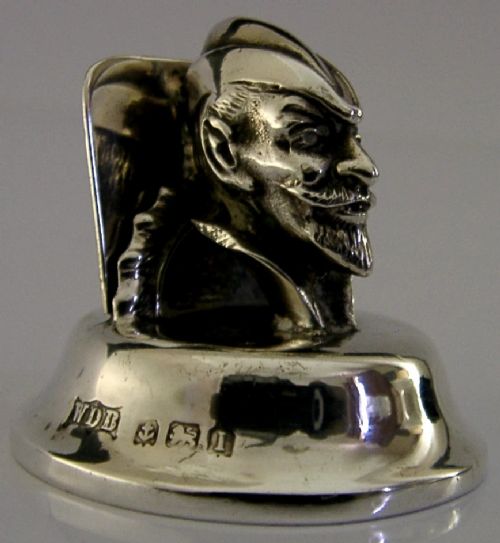
Menu holders and place card holders form a distinct focus among these items, often appearing in figurative or themed designs such as owls, swans, maidens, monkeys, and galleons. Napkin rings and knife rests also feature prominently, frequently found in matched pairs or cased sets lined with silk or velvet.
The objects reflect the formal dining habits of the early twentieth century, where individual place settings and decorative serving pieces received careful attention. Materials range from sterling silver and silver plate to pewter, glass, and enamel, often presented in fitted boxes.
How They Were Made
Sterling silver and silver plate dominate the construction of these table accessories, shaped through casting, stamping, and detailed hand-finishing. Figurative menu holders rely on skilled casting to render subjects like birds, animals, and human figures with distinct character.
Working methods from the period also incorporated specialised components, such as cut glass inserts for cruet sets, mother-of-pearl for knife rests, and silk or velvet linings inside presentation cases. Pewter work appears in distinct arts and crafts designs, utilising hammered surfaces and simpler forms.
Listings for this edwardian dining table accessory category feature sterling silver, silver plate, pewter, glass, and enamel across multiple periods.
What Varies in Quality
Completeness and original presentation heavily influence the standing of cased sets, such as napkin rings or cruet components preserved in their original silk-lined boxes. Maker attribution also plays a role, with documented silversmiths and retail houses commanding recognition for their design integrity.
Levi & Salaman·Mappin & Webb·Liberty & Co·Guild of Handicraft
The Edwardian Dining Table Accessory Glossary
- Menu Holder
- A small upright stand designed to display table menus or place cards for diners. They often take whimsical or figurative forms.
- Cruet Set
- A matched assemblage of bottles or containers holding condiments such as oil, vinegar, salt, and pepper. They sit in a frame or stand.
- Knife Rest
- A low support placed on the tablecloth to keep the blade off the linen between courses. They commonly appear in pairs.
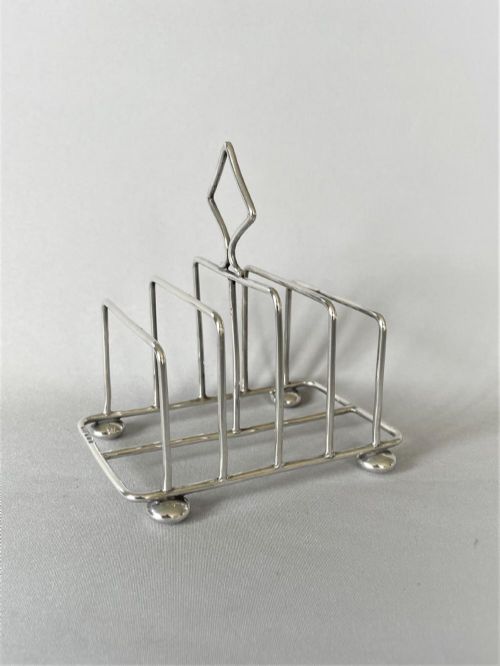
- Toast Rack
- A small metal frame with vertical dividers designed to hold slices of toast upright at the breakfast table.
- Grape Shears
- Specialised scissors with curved blades used for cutting bunches of fruit at the table.
Edwardian Dining Table Accessory: Frequently Asked Questions
What is an edwardian dining table accessory?
These items are small decorative and functional objects used during formal meals in the early twentieth century. They include menu holders, napkin rings, toast racks, and cruet sets.
Most examples are made of sterling silver or silver plate, reflecting the dining customs of the period.
How were menu holders used?
Menu holders sat on the dining table to display the menu or the guest's place card for each course. They helped guests identify the dishes being served.
Many were cast in pictorial or thematic shapes to add visual interest to the table setting.
Are these items usually found in sets?
Many table accessories appear in matched pairs or larger sets, such as groups of napkin rings or knife rests. They are frequently housed in original fitted boxes lined with silk or velvet.
Individual items, particularly figural menu holders, are also common.
What materials should I expect to find?
Sterling silver and silver plate are the predominant materials used across these table items. Other materials include pewter, cut glass, mother-of-pearl, and enamel.
Presentation cases often incorporate interior linings of silk, velvet, or leatherette.