
Edwardian Dining Room Chairs
Edwardian dining room chairs bring formal grace to a table, offering sturdy timber frames and classic revival styles built for long gatherings.
Edwardian Dining Room Chairs
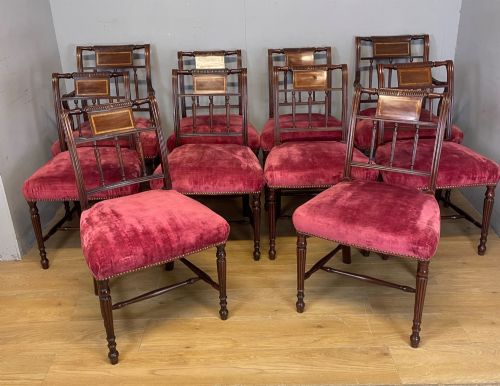
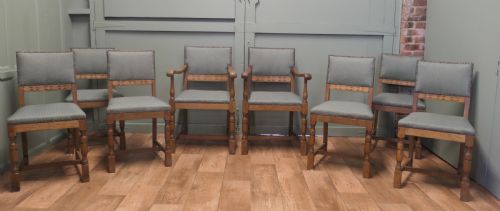
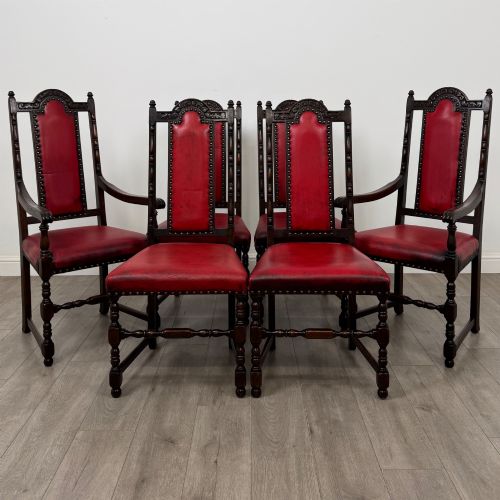
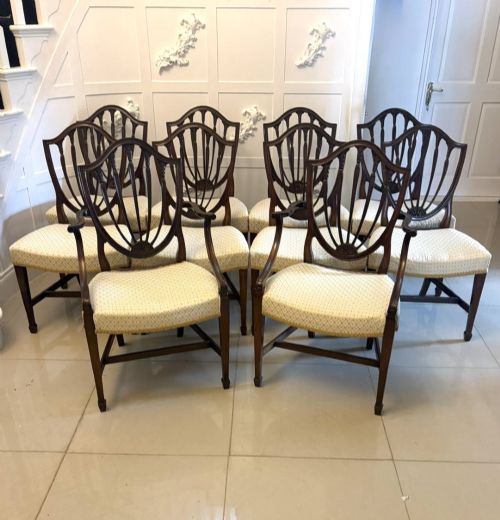
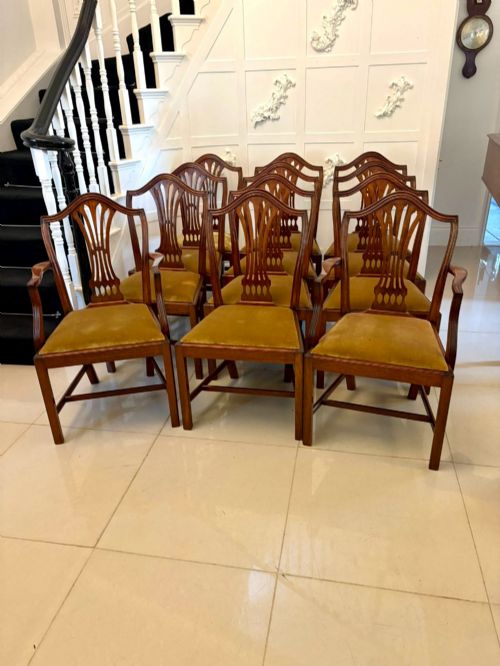
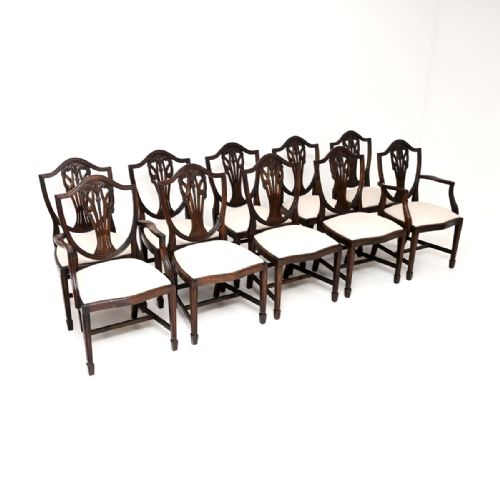
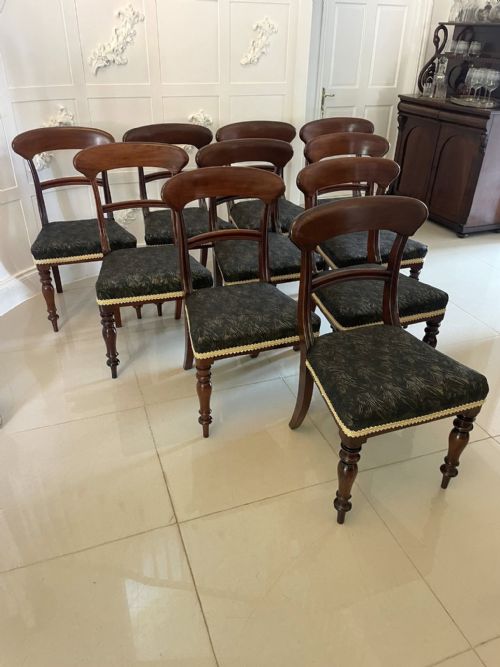
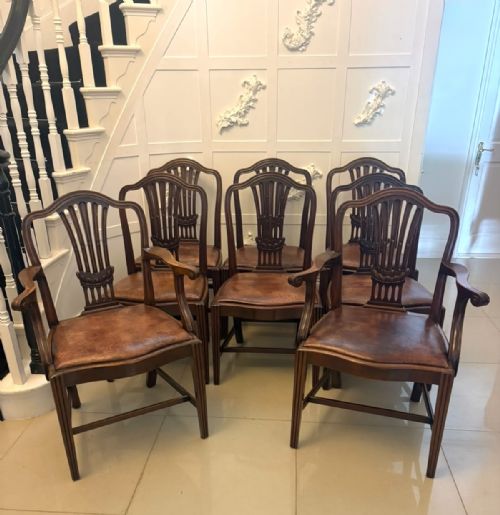
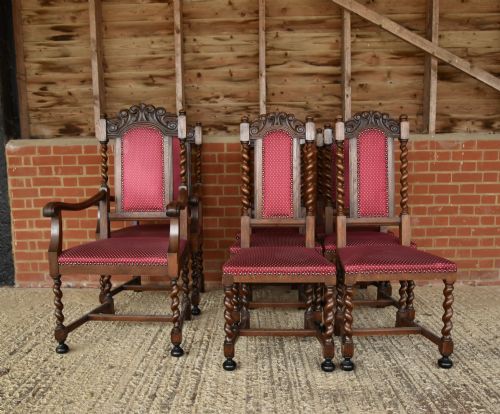
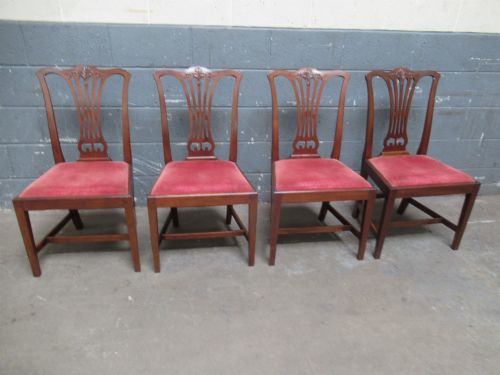
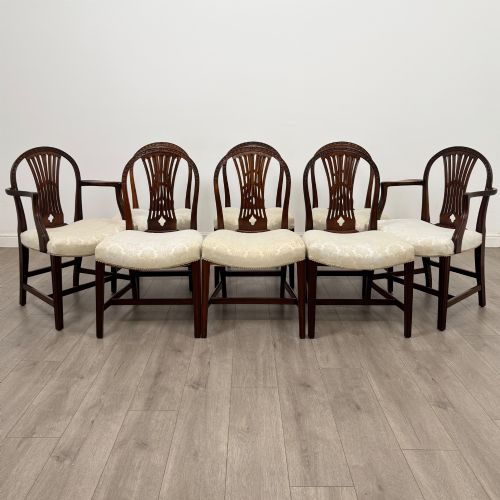
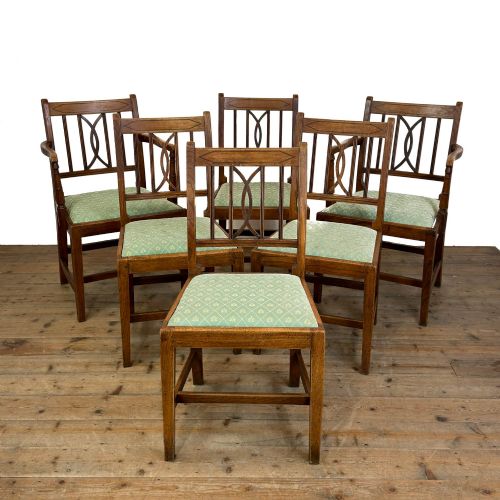
When searching for edwardian dining room chairs, buyers encounter a range of formal seating primarily constructed during the early twentieth century and the surrounding decades. Sets frequently appear in larger groupings, such as six, eight, or ten chairs, often including armchairs or carvers alongside side chairs. The designs draw heavily on earlier cabinet-making traditions, resulting in widespread revival styles.
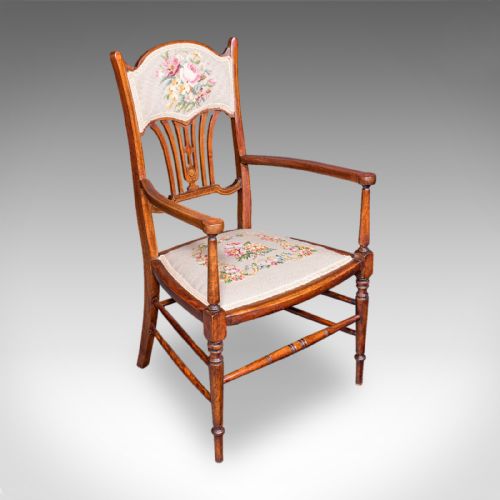
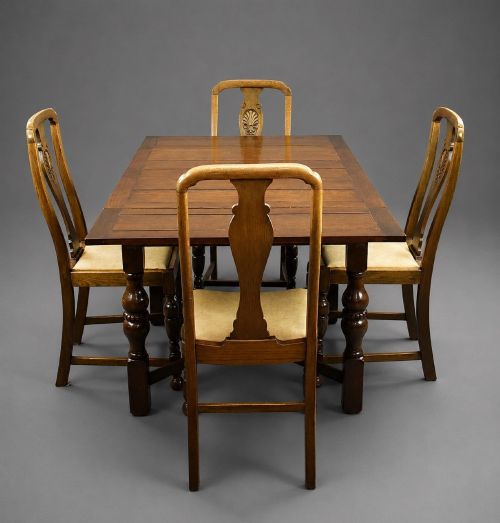
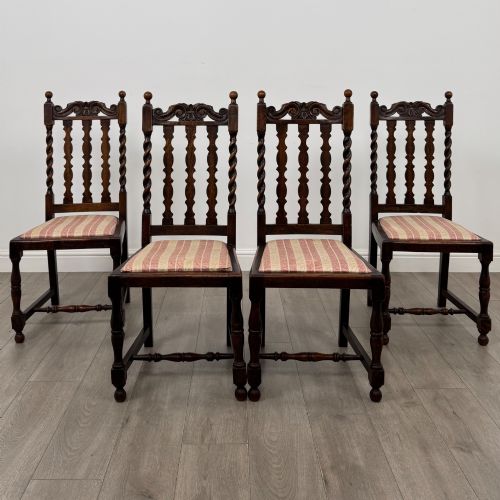
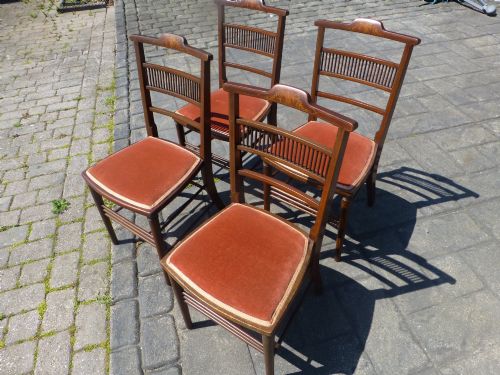
Mahogany and oak dominate the timber choices across the available pieces, paired with seats finished in leather, fabric, or upholstery. Revival aesthetics such as Hepplewhite, Queen Anne, and Jacobean appear regularly alongside simpler Edwardian and Art Nouveau forms. These pieces serve both domestic dining duties and historic interior schemes effectively.
How They Were Made
Cabinet-makers constructed these chairs using dense hardwoods like mahogany, oak, walnut, beech, and maple to ensure structural longevity under daily use. Joinery techniques included mortise and tenon frames, complemented by turned elements such as barley twists or carved details like shield backs and inlay work. Brass accents and detailed carving added ornamentation to prominent surfaces.
Seats utilised textiles, velvet, leather, and fabric stretched over padding and supported by upholstery webbing. Draw leaf mechanisms and extension frames appeared in related dining suites, while individual elbow chairs and carvers incorporated shaped armrests fixed securely to the main seat rails.
Available forms range from individual morning room armchairs to complete dining suites comprising tables, sideboards, and large chair sets.
What Varies in Quality
The degree of hand-carving and the choice of primary timber set individual sets apart, with finely figured mahogany and dense oak commanding greater attention than simpler utility builds. Intricate shield backs, precise inlay, and well-executed revival styling reflect higher standards of workshop production.
Complete sets with matched carvers and side chairs retain greater cohesion than assembled groupings gathered over time. The original condition of the timber framing and the integrity of the underlying joinery dictate the enduring stability of each seat.
Maple and Co·Shoolbred·H Samuel London
The Edwardian Dining Room Chairs Glossary
- Carver
- An armchair designed to sit at the head of a dining table. These pieces feature integrated armrests for added comfort during long meals.
- Shield back
- A chair back shaped in the outline of a heraldic shield, popular in Hepplewhite designs. This graceful contour requires skilled timber shaping.
- Draw leaf
- A table mechanism featuring extension leaves stored beneath the main top. These pull out easily to expand surface area.
- Barley twist
- A spiral turning carved into furniture legs and stretchers. This decorative technique resembles a twisted rope.
- Inlay
- A method of embedding contrasting strips of wood or other materials into the surface of a piece. It creates delicate geometric or floral patterns.
Edwardian Dining Room Chairs: Frequently Asked Questions
How many chairs come in a typical set?
Sets commonly comprise six to twelve pieces to accommodate larger dining tables. Many larger groups include a matched pair of carvers.
Buyers frequently find sets of eight distributed among the available listings, often paired with extension tables.
What wood types should I expect?
Mahogany and oak form the vast majority of the timber frames seen across these periods. Walnut, beech, and maple also appear in specific revival pieces.
Darker polished woods reflect the formal dining aesthetic preferred during the Edwardian era and surrounding decades.
What are revival styles in these chairs?
Revival styles draw inspiration from earlier furniture epochs like the Georgian and Jacobean periods. Cabinet-makers reinterpreted Hepplewhite and Queen Anne motifs for Edwardian homes.
These designs offer historic silhouettes combined with early twentieth-century construction standards.
Do these chairs include armchairs?
Many larger dining sets include dedicated armchairs, often referred to as carvers. These are traditionally placed at the head and foot of the table.
Single elbow chairs and morning room seats also appear independently across the inventory.
What seat materials were used?
Original and replacement seats feature leather, fabric, velvet, and traditional upholstery textiles. Padded surfaces provide comfort while complementing the timber frames.
Tan leather and patterned fabrics are frequently recorded in the material descriptions.