

Edwardian Diamond Pendant
An edwardian diamond pendant brings together delicate platinumwork and old cut stones characteristic of the early twentieth century.
Edwardian Diamond Pendant
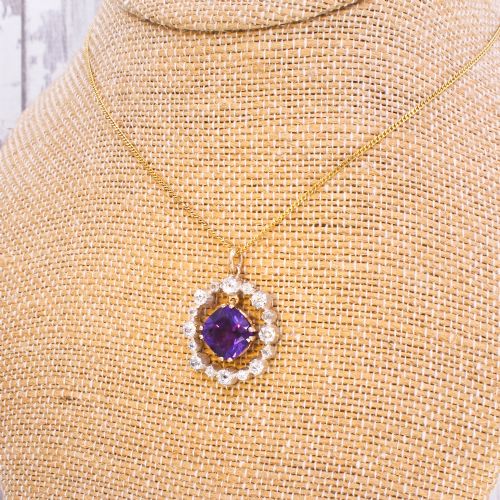
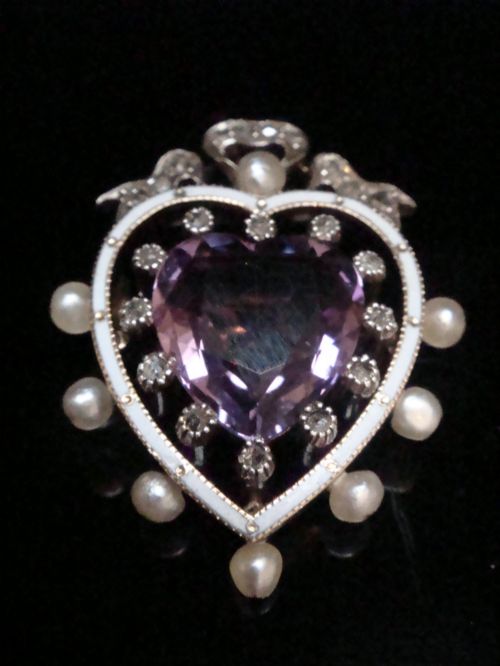
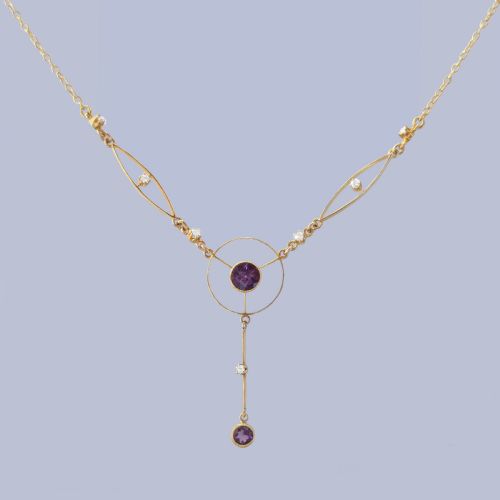
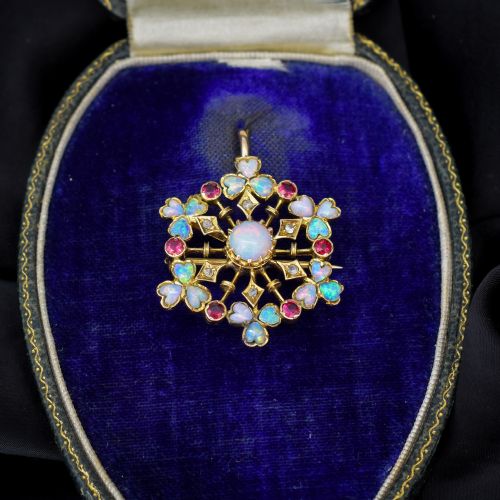
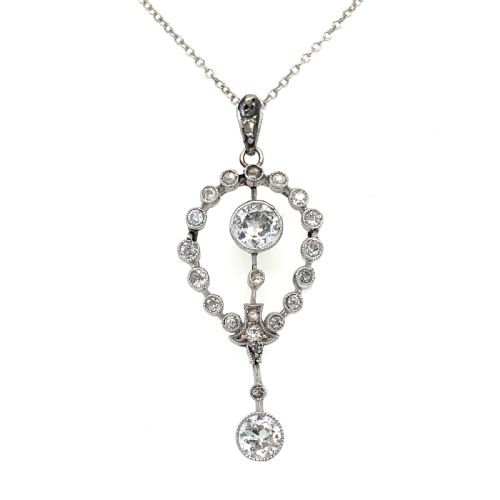
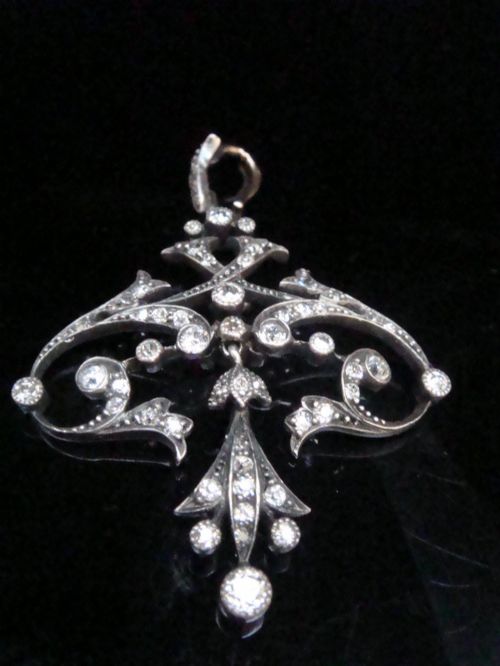
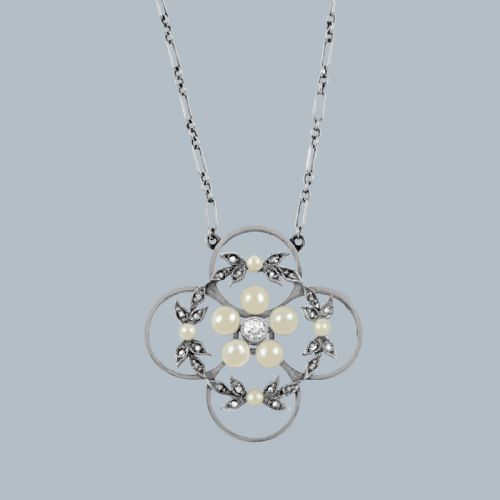
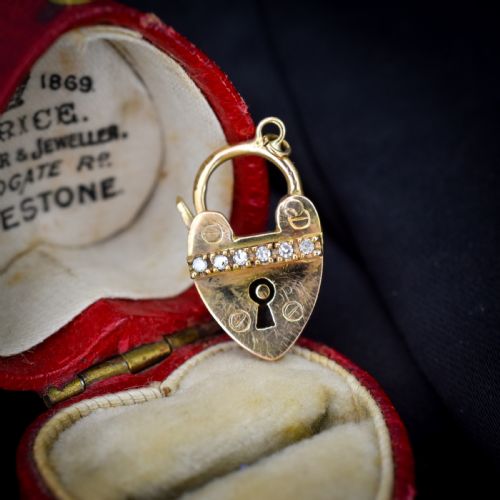
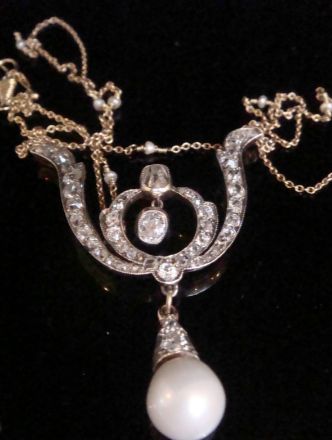
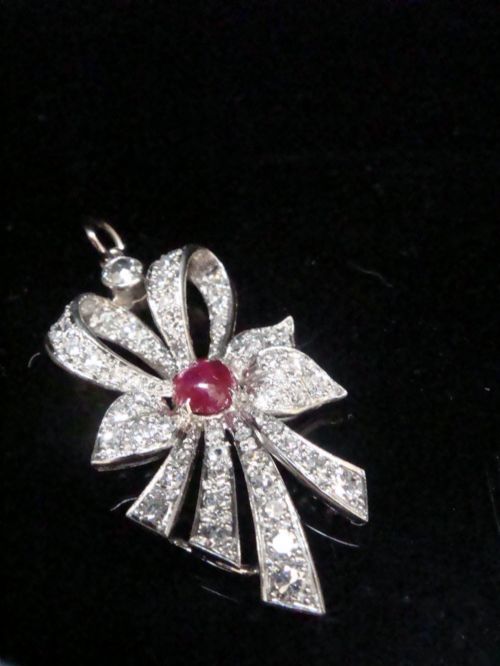
The pieces grouped here span drop necklaces, lavalieres, and convertible brooch pendants made around the turn of the twentieth century. An edwardian diamond pendant most frequently appears in openwork platinum or yellow gold frames shaped as bows, garlands, hearts, or floral motifs.
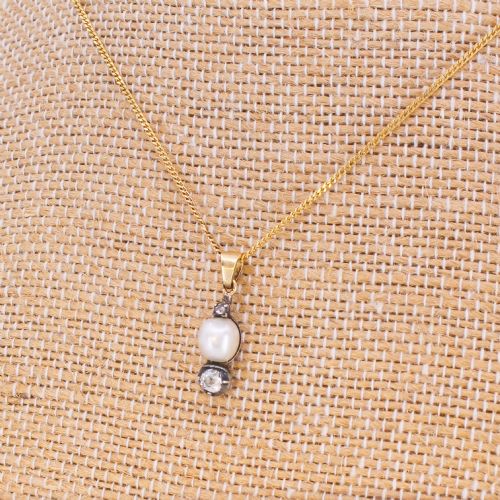
Makers of this era favoured light, airy designs that imitated lace and ribbonwork, often suspending a central old cut diamond or natural pearl. Alongside pure diamond examples, many designs incorporate coloured gems such as aquamarine, sapphire, opal, and amethyst.
Surviving examples reflect the transition from late Victorian heavier gold settings to the refined platinum and white gold jewellery of the Belle Epoque. Collectors encounter both simple single-stone drops and elaborate multi-gem clusters designed to catch candle or gaslight.
How they were made
Jewellers of this period relied heavily on platinum, which possessed the tensile strength to support intricate pierced frameworks without adding bulk. This white metal was frequently fused over a gold backing or used alone to mount old cut diamonds close together.
Stones were shaped by hand, resulting in old cut diamonds with smaller tables, higher crowns, and open culets that scatter light distinctively. Metal components were pierced, engraved, and milled with millegrain borders to frame each gem.
Natural pearls and coloured stones were integrated using delicate bezel or claw settings, while enamel work appeared in translucent guilloche patterns beneath diamond studs.
Edwardian Diamond Pendant Retail Price Guide 2026
Typical asking prices for edwardian diamond pendant among the pieces listed under this phrase on Sellingantiques today, from the lower quarter to the upper quarter. They describe what is for sale here now, not the wider market.
Some Edwardian pieces hide tiny secret compartments or fold away neatly into velvet boxes shaped like the pendants themselves.
What varies in quality
The finesse of the piercing and the crispness of the millegrain edging determine the distinction between standard workshop output and fine jeweller production. Superior pieces maintain symmetry in complex bow and garland motifs while concealing solder joints.
The grade, cut, and matching of the central diamonds and accompanying pearls dictate the overall standing of an edwardian diamond pendant. Original fitted boxes and documented provenance further elevate specific examples.
EDUARD FOEHR
The Edwardian Diamond Pendant Glossary
- Old cut
- A diamond facet style cut by hand before modern machinery, featuring a smaller table and deep pavilion. These stones display softer, broader flashes of light than modern brilliant cuts.
- Millegrain
- A decorative technique involving tiny raised metal beads along the edge of a setting. It creates a soft, textured border typical of Edwardian platinumwork.
- Lavalier
- A necklace design featuring a pendant drop suspended from a chain, often with a secondary swinging stone. This form gained immense popularity during the Edwardian period.
- Guilloche
- An engine-turned decorative pattern etched into metal, frequently covered with translucent enamel. It provides a patterned background for diamond and pearl clusters.
- Belle Epoque
- A period of refined design spanning the late nineteenth century to the First World War. Jewellery from this era emphasises garlands, platinum, and light floral motifs.
Edwardian Diamond Pendant: Frequently Asked Questions
What is an edwardian diamond pendant?
An edwardian diamond pendant is a piece of fine jewellery made between roughly 1901 and 1910, featuring old cut diamonds set in platinum or gold. These pieces typically display light, lace-like motifs such as bows, garlands, and drops.
They represent the Belle Epoque aesthetic, prioritising elegance and intricate metalwork over sheer weight of materials. Many function as convertible pieces that can shift between a necklace and a brooch.
How do I care for my pendant?
Care requires gentle handling, as antique settings and natural pearls are sensitive to harsh chemicals and ultrasonic cleaners. Warm soapy water and a soft brush will maintain the platinum and gold without disturbing fragile stones.
Store the pendant separately in a lined box to prevent scratching against other jewellery. Periodic inspection by a specialist ensures the old cut diamonds remain secure in their original claws.
How are these pendants worn today?
These pendants sit well on fine platinum or gold chains that match the original metal colour of the mount. Their adaptable length makes them suitable for daily wear or evening events.
Pieces with convertible brooch fittings offer versatility, allowing the wearer to pin them to lapels or suspend them from velvet ribbons. Their subtle sparkle suits both contemporary and vintage attire.
How to tell periods apart?
Distinguishing Edwardian work from Victorian pieces involves looking at the metal and the weight of the design. Edwardian examples frequently use platinum and white gold in airy, pierced ribbon patterns, whereas Victorian mounts tend toward heavier yellow gold and closed-back settings.
Art Deco pieces that follow later in the sequence introduce rigid geometric lines and calibrated calibre-cut stones, departing from the flowing floral curves of the Edwardian era.