

Edwardian Diamond Jewelry
Edwardian diamond jewellery brings together delicate platinum settings and old cut stones from the turn of the twentieth century that collectors prize for their hand-crafted elegance.
Edwardian Diamond Jewelry
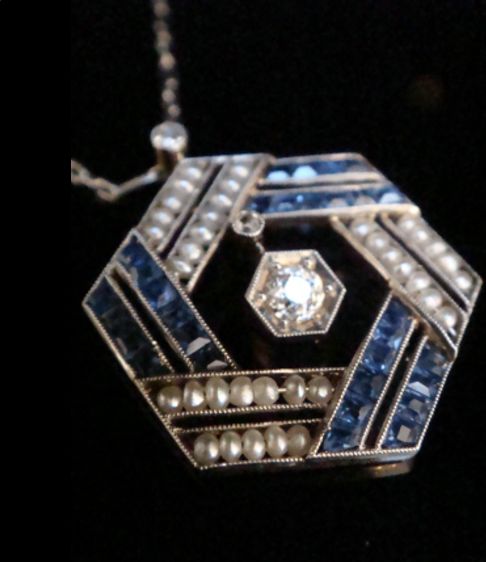
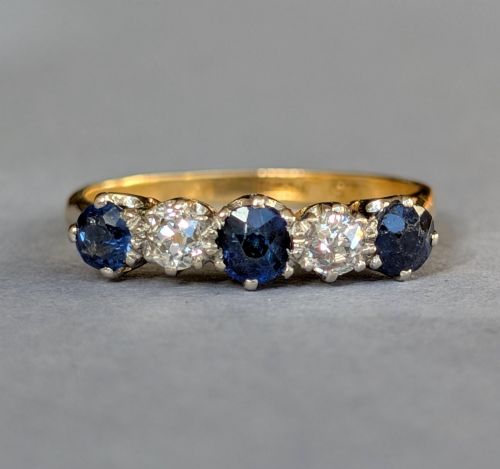
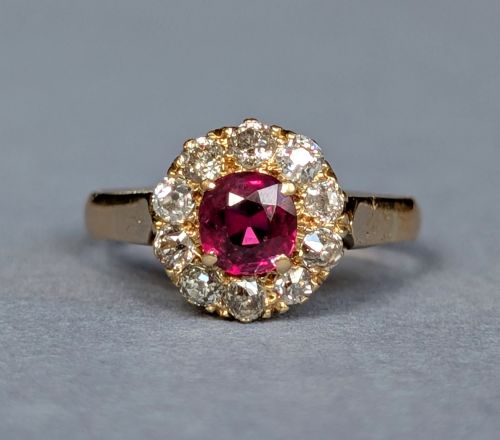
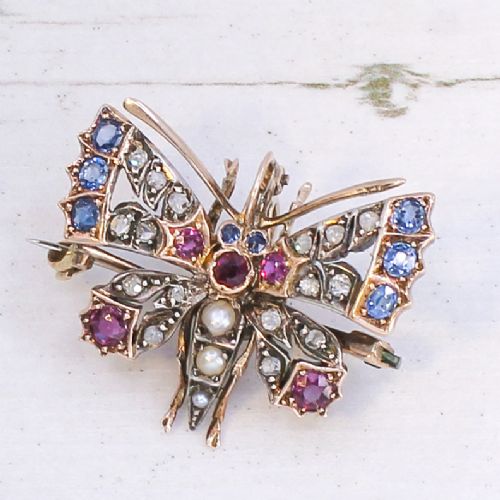
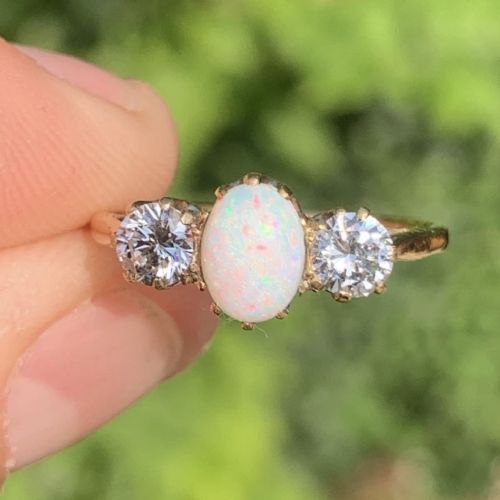
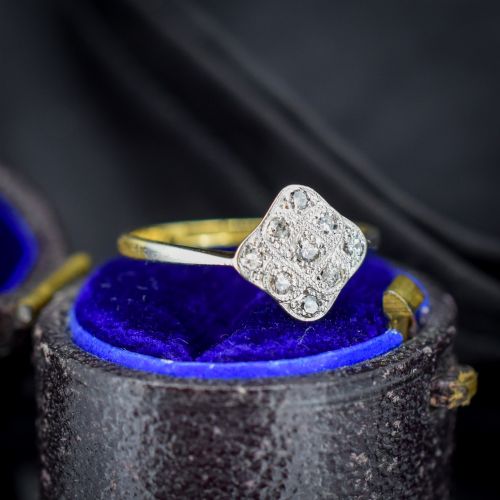
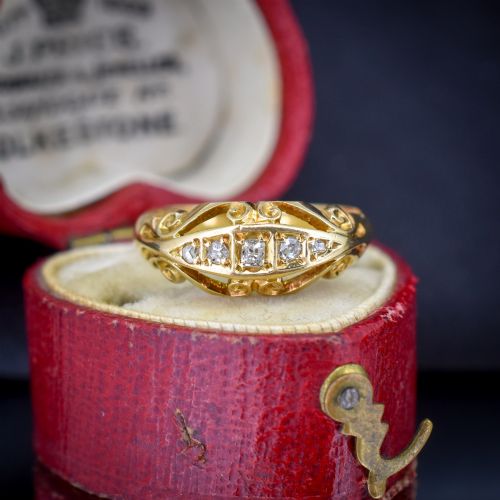
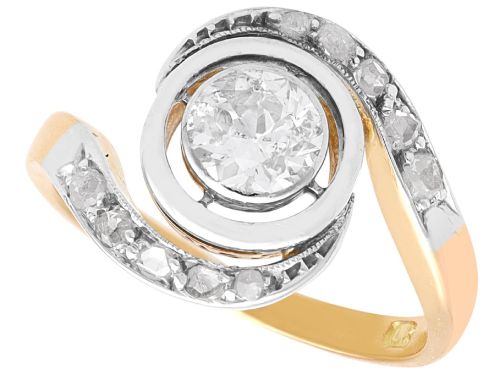
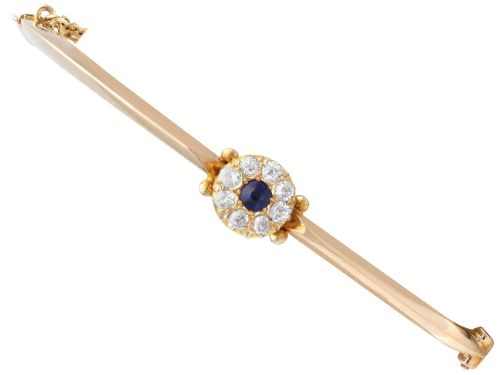
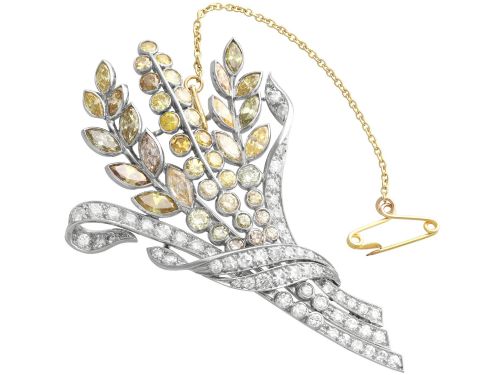
Edwardian diamond jewellery comprises rings, brooches, pendants, earrings, and bracelets created during the early twentieth century and the surrounding transitional decades. Pieces range from delicate platinum cluster rings and daisy motifs to substantial diamond and sapphire pendants made during the height of the Belle Epoque.
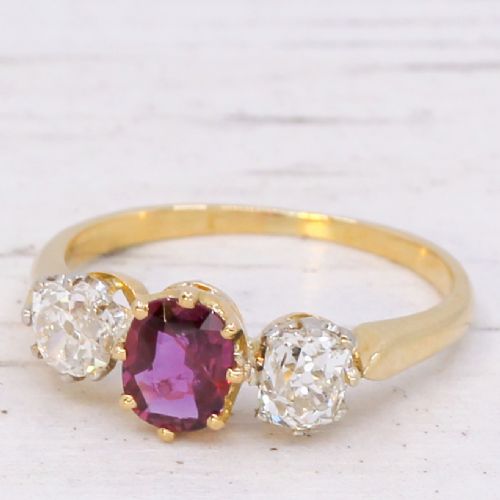
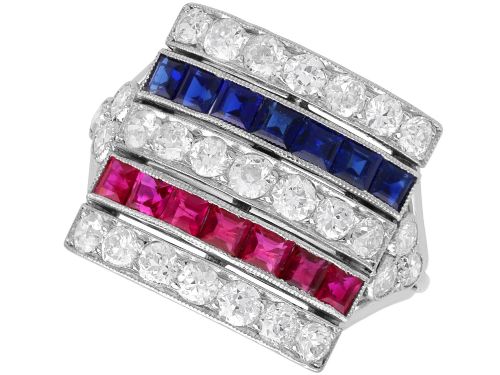
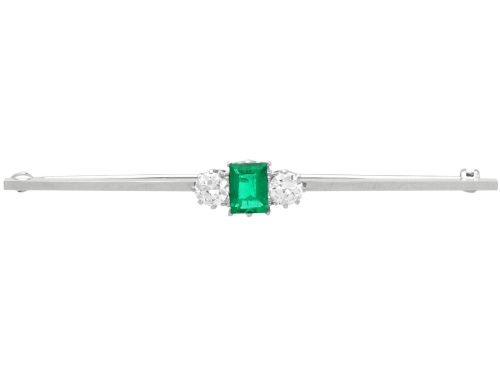
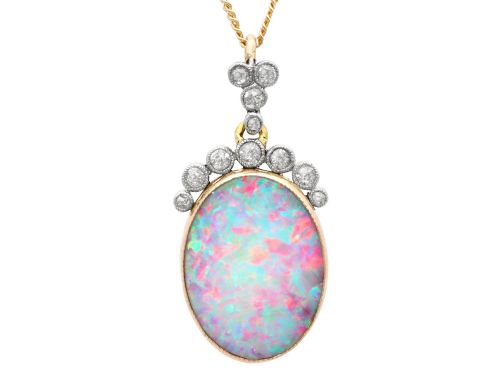
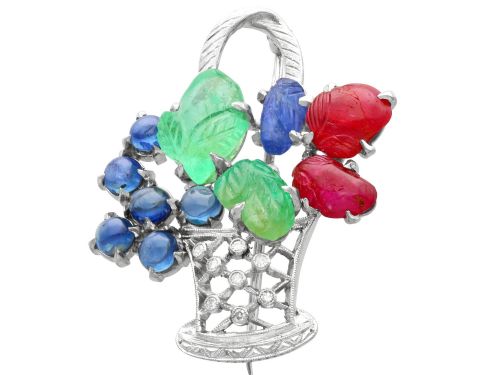
Buyers browsing this selection frequently encounter cluster rings featuring old cut diamonds alongside platinum and yellow gold band combinations. Pendants and brooches from this era often incorporate natural pearls, rubies, and emeralds set into intricate geometric or floral frameworks.
Items stretch chronologically from late Victorian beginnings through the Edwardian period and onward into Art Deco designs of the nineteen twenties and thirties. This variety reflects a period of evolving metalworking techniques where traditional yellow gold gave way to the rising popularity of white metals.
Materials and Construction Techniques
Craftsmen utilised durable platinum alongside various grades of yellow gold, white gold, and rose gold to house the central stones securely. Platinum allowed for finer, lace-like metalwork that could support intricate stone arrangements without heavy structural bulk.
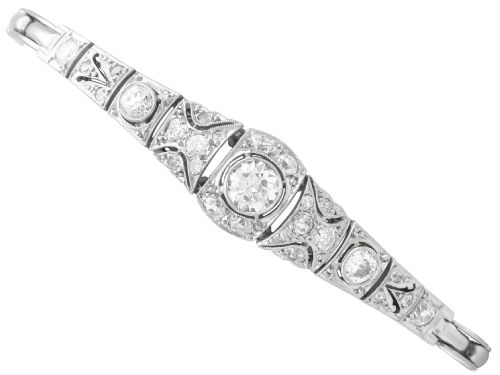
Gems were shaped by hand into old mine cuts and old European cuts, producing softer facets that catch candlelight differently than modern brilliant cuts. Settings frequently combined claw prongs with intricate millegrain edging to frame individual diamonds and coloured gemstones.
Edwardian Diamond Jewelry Retail Price Guide 2026
Typical asking prices for edwardian diamond jewelry among the pieces listed under this phrase on Sellingantiques today, from the lower quarter to the upper quarter. They describe what is for sale here now, not the wider market.
Listings feature periods spanning from late Victorian and Edwardian eras through to Art Deco production, utilising platinum, yellow gold, and white gold.
Distinctions in Quality and Craftsmanship
Superior examples demonstrate exceptional precision in the execution of pierced platinum work and the uniformity of millegrain decoration. The finest items feature well-matched colour saturation in accompanying stones like sapphires, rubies, and emeralds, paired with high clarity diamonds.
The overall integrity of the construction, from the sturdiness of the pin stems on brooches to the security of the stone settings, separates masterwork pieces from simpler production. Preservation of the original metal finish and minimal structural alteration over the decades also dictates the standing of a piece.
The Edwardian Diamond Jewelry Glossary
- Old cut
- A diamond facet style cut by hand before modern machinery standardised proportions, resulting in smaller tables and higher crowns. These stones exhibit a distinctive warm glow under artificial lighting.
- Millegrain
- A decorative technique featuring a row of tiny raised metal beads along the edge of a setting. This method softens the transition between metal and stone.
- Navette
- A boat-shaped gemstone setting that tapers to sharp points at either end. This elongated form was particularly popular for cluster rings and brooches.
- Cluster ring
- A ring design featuring a prominent central stone encircled by a border of smaller gems. The arrangement maximises visual impact and perceived stone size.
- Trilogy ring
- A ring featuring three main stones set in a row, often interpreted to represent the past, present, and future. These settings frequently utilise graduating old cut diamonds.
Edwardian Diamond Jewelry: Frequently Asked Questions
How do I care for antique diamond pieces?
Clean your items gently using warm water, mild soap, and a soft brush to remove everyday oils from the settings. Avoid harsh ultrasonic cleaners that can loosen old cut stones or damage natural pearls.
Store each piece in a separate fabric-lined compartment to prevent softer platinum and gold surfaces from scratching against other items in your collection.
Are these pieces suitable for daily wear?
Many sturdy rings and pendants from this era withstand regular daily use provided the prongs are inspected periodically by a specialist. Brooches and delicate drop earrings require more mindful handling due to their intricate metalwork and older pin mechanisms.
Removing fine jewellery before engaging in strenuous physical activities or housework ensures the survival of fragile settings and delicate chains.
How can I tell Edwardian from Art Deco?
Edwardian items tend to lean towards organic motifs, garlands, lace-like platinum work, and softer yellow gold pairings. They emphasise flowing natural lines inspired by Belle Epoque elegance.
Art Deco pieces shift decisively toward symmetry, geometric patterns, bold colour contrasts with rubies and sapphires, and stark white platinum or white gold frameworks.
Why do old cut diamonds look different?
Master cutters shaped these diamonds by hand under candlelight, resulting in smaller tables, deeper pavilions, and larger culets. This artisan approach prioritises unique scintillation over mathematical brilliance symmetry.
The resulting visual character displays distinct broad flashes of light rather than the uniform sparkle found in modern machine-cut stones.