
Edwardian Desk Timepiece
An edwardian desk timepiece is a small clock designed for a table or bureau, combining precision engineering with period decorative arts.
Edwardian Desk Timepiece
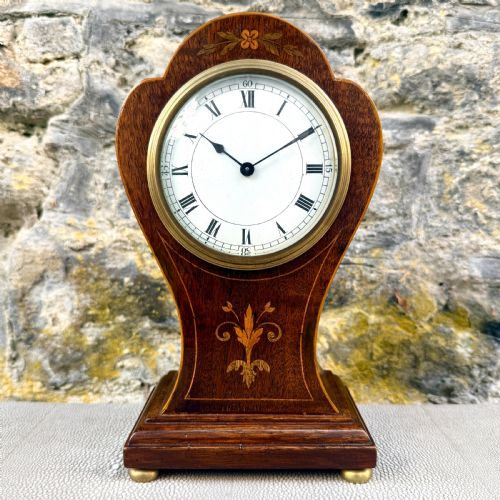
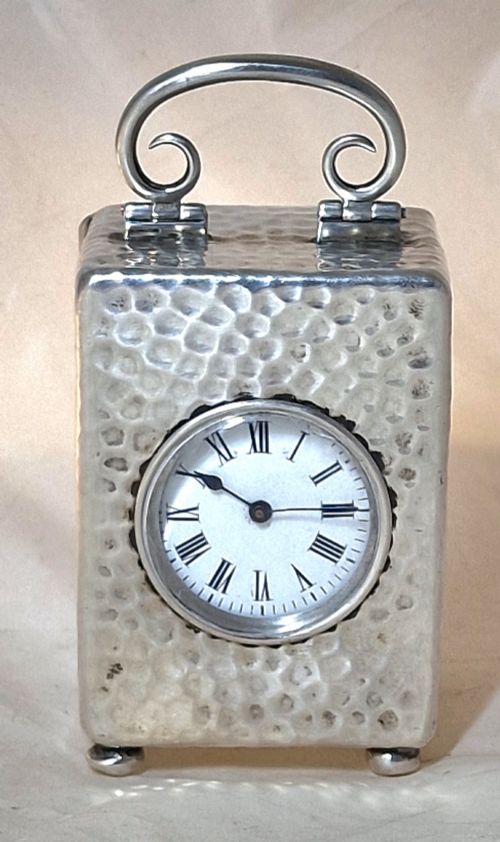
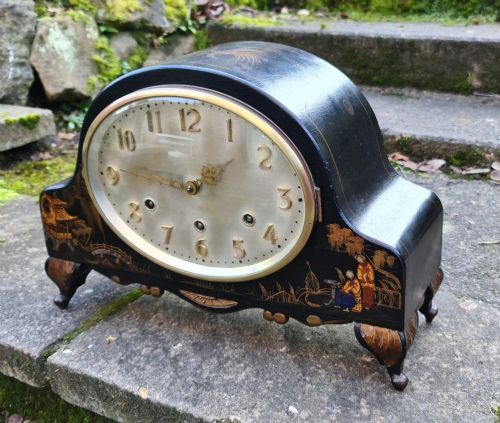
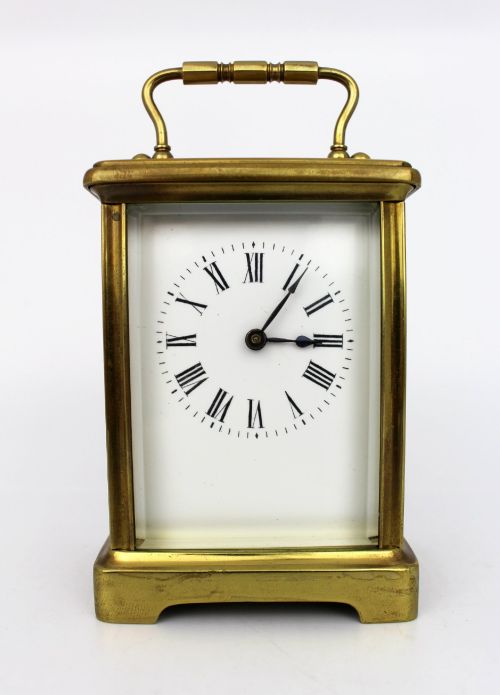
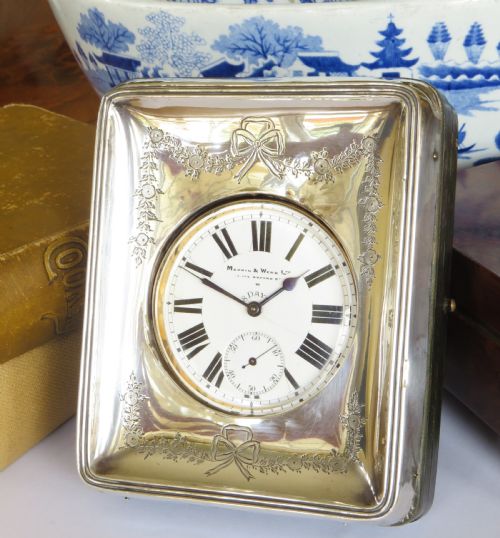
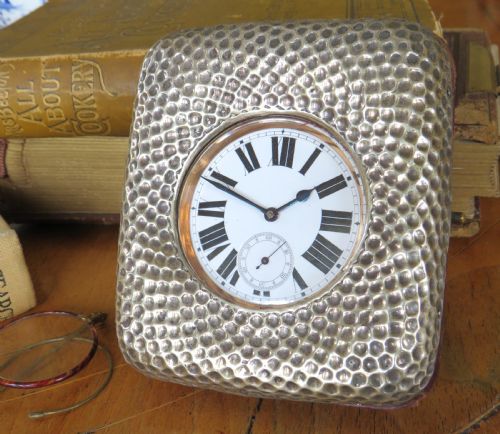
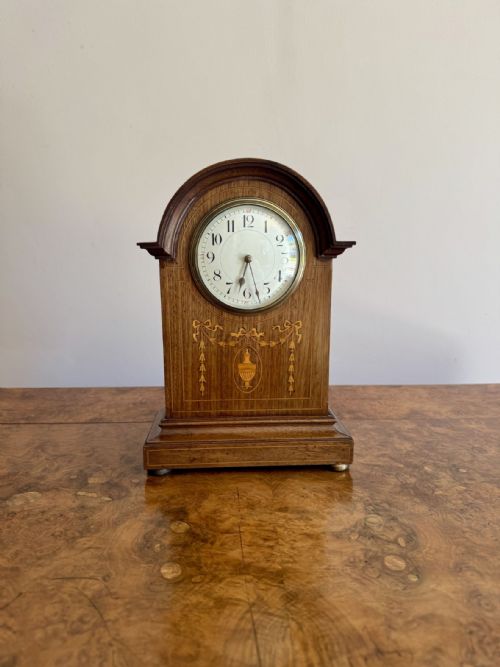
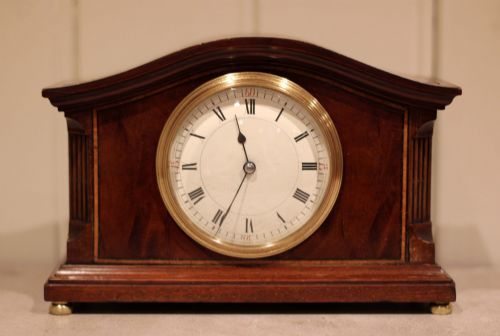
When searching for an edwardian desk timepiece, buyers encounter compact carriage clocks, wooden mantel clocks, and small bedside travel pieces originating around the turn of the twentieth century. These items were built to sit upon writing desks, dressing tables, and smaller surfaces in domestic interiors.
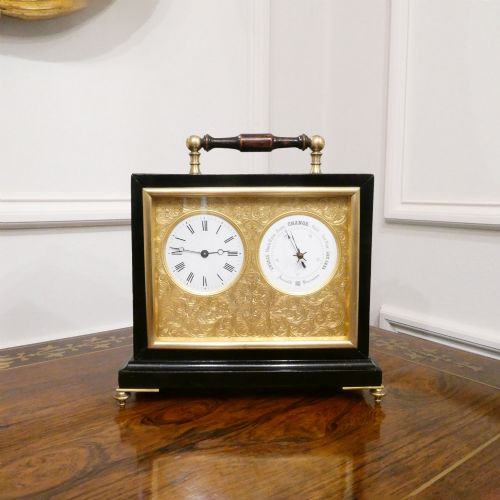
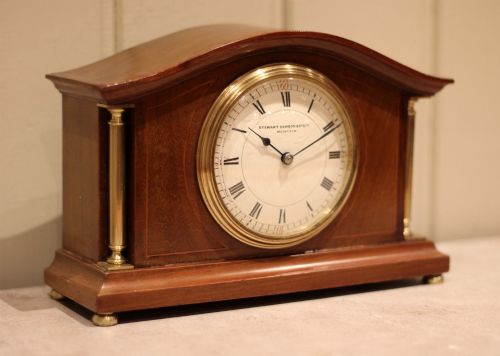
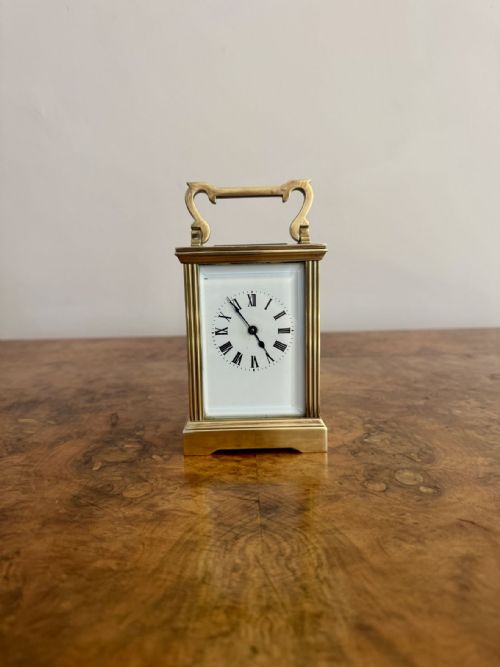
The selection ranges from brass-framed carriage clocks with bevelled glass panels to inlaid mahogany and oak mantel clocks reflecting Edwardian, Art Nouveau, and Arts and Crafts tastes. Many examples incorporate subsidiary barometers or feature silver-fronted cases made for domestic utility and display.
Materials and Construction
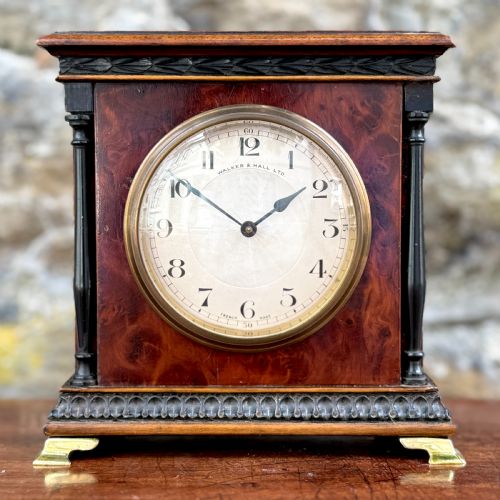
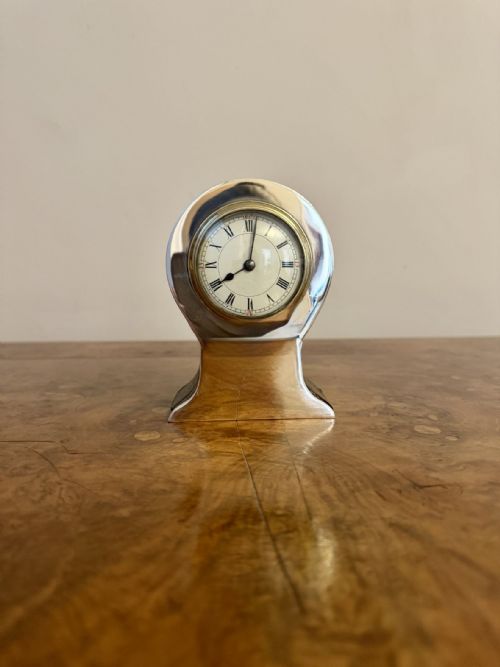
Makers utilised brass, sterling silver, nickel, and pewter for the exterior metalwork and bezels, often pairing them with white enamel dials and delicate black numerals. Wooden cases rely upon mahogany, oak, walnut, and faux tortoiseshell, frequently finished with marquetry inlay or brass stringing.
Movements were housed securely within protective metal frames or wooden housings, driven by spring-wound mechanisms rather than heavy weights. Glass panels were bevelled and fitted tightly into brass carriage frames to protect the internal escapement while allowing full visibility of the ticking mechanism.
Some miniature travel clocks included hidden alarm functions designed to rouse Victorian gentlemen before their morning railway departures.
Distinctions in Execution
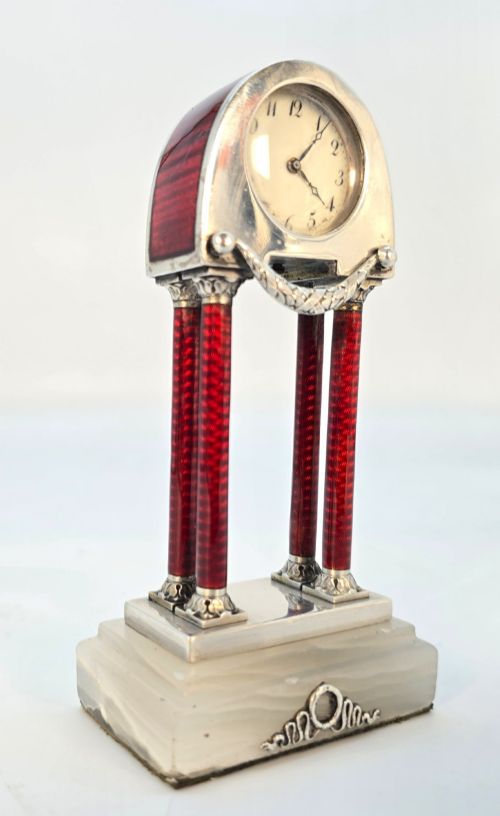
Quality rests upon the crispness of the metal casting, the depth of the wood grain, and the precision of the dial painting. Better examples display hand-cut woodwork, crisply hallmarked silver mounts, and fine guilloche enamel work rather than stamped mass-produced substitutes.
The standard of the mechanical movement determines the grade of the piece, with Swiss or reputable English escapements providing greater longevity and reliability. Original travel cases, retaining keys, and undamaged bevelled glass panels distinguish superior survivals from altered or heavily restored items.
R Varnier·Walker and Hall·Georg Adam Scheid·Mappin & Webb·William Comyns·J Batson & Son·David Veasey·Liberty & Co·Winterhalder & Hofmeier
The Edwardian Desk Timepiece Glossary
- Carriage clock
- A portable spring-driven timepiece with a carrying handle, originally designed for travellers in the nineteenth and early twentieth centuries.
- Goliath pocket watch
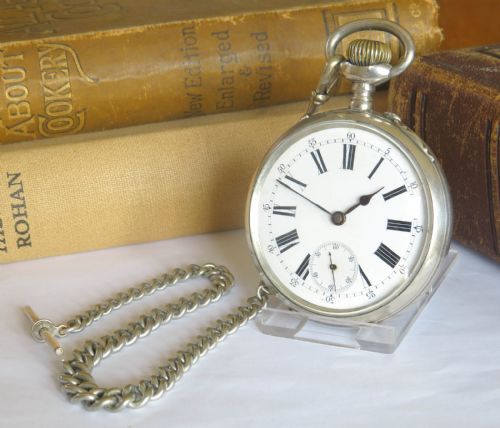
- An oversized pocket watch frequently mounted in a dedicated leather travel case or silver desk stand to serve as a desk timepiece.
- Guilloche enamel
- A decorative technique where a geometric pattern is engraved beneath a translucent layer of coloured enamel.
- Fusee
- A conical pulley used in clock movements to maintain equal power as the mainspring unwinds.
- Portico desk clock
- An architectural clock design resembling a classical portico, often executed in miniature for desk placement.
Edwardian Desk Timepiece: Frequently Asked Questions
How do I wind an edwardian desk timepiece?
Most portable timepieces and carriage clocks require a small matching key inserted into the backplate to tension the mainspring.
Care must be taken not to overwind the mechanism, stopping as soon as resistance is felt.
Were these clocks meant for travel?
Many brass carriage clocks and silver cased travel pieces were supplied with leather cases specifically for moving between rooms or journeys.
Larger wooden mantel clocks remained stationary upon desks and writing tables.
How can I tell the period?
Stylistic markers such as Art Nouveau whiplash curves, Edwardian mahogany inlay, or hallmarks on silver mounts provide dating evidence.
Movements and dial typography also reflect the manufacturing techniques prevalent around nineteen hundred.
Do these clocks keep accurate time?
While capable of reliable daily timekeeping, mechanical clocks from this era benefit from professional service and oiling.
They rely on traditional escapements which may vary slightly compared to modern quartz movements.