


Edwardian Desk Letter Box
An Edwardian desk letter box is a practical writing-desk accessory designed for domestic correspondence, offering timber construction and brass fittings.
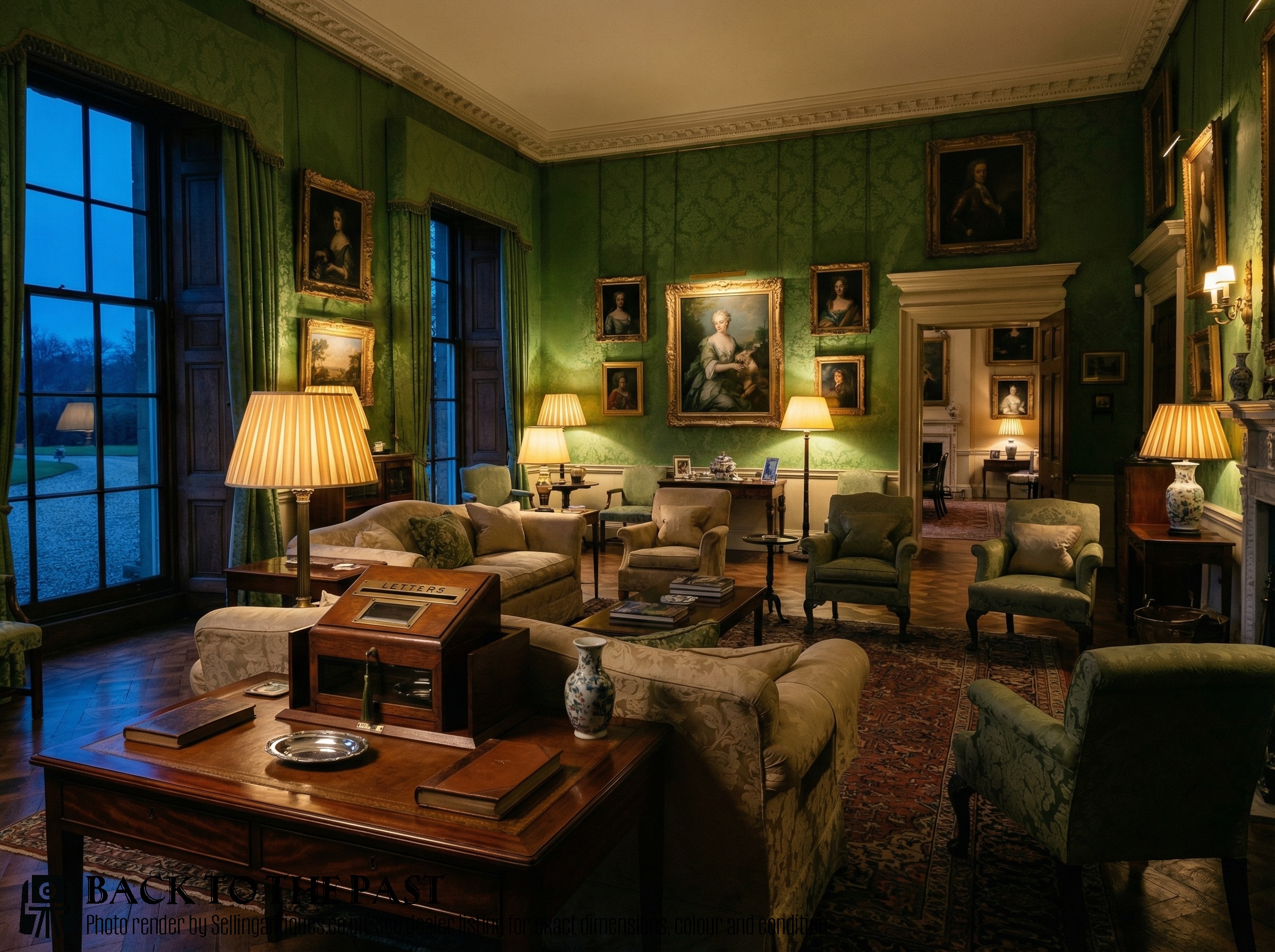
Edwardian Desk Letter Box
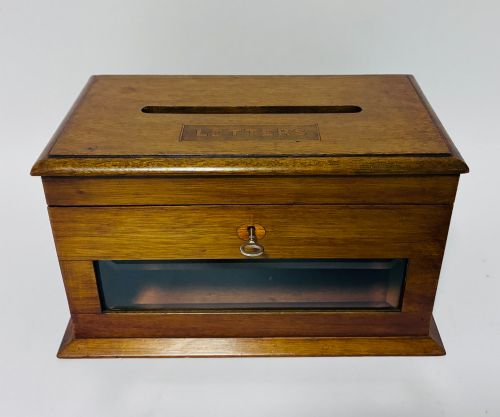
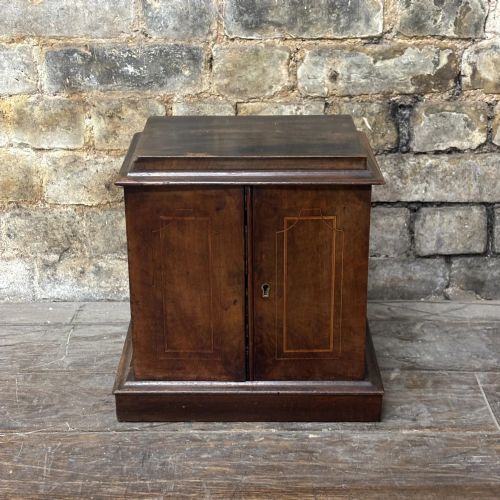
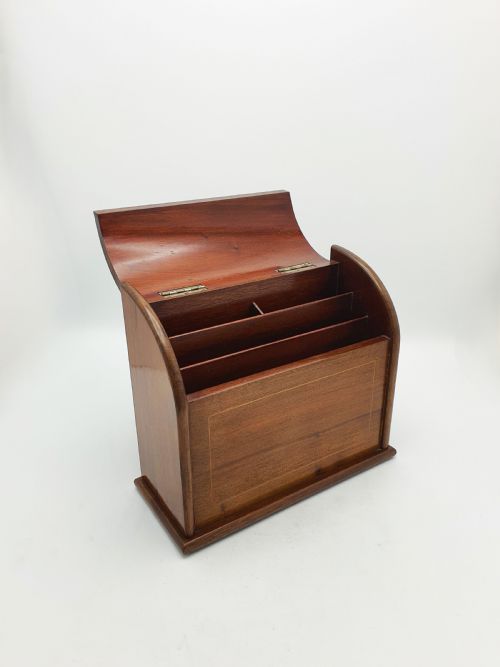
An Edwardian desk letter box is typically encountered as a mahogany, oak or walnut stationery cabinet placed on a writing table or desk. These boxes manage incoming and outgoing mail, often combining letter slots with compartments for envelopes and paper.
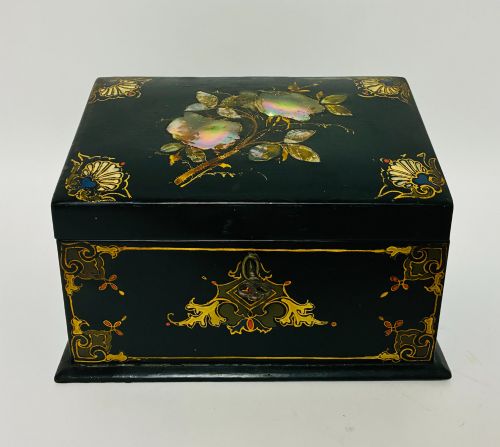
The objects seen span periods from the nineteenth century into the twentieth, encompassing Victorian, Edwardian, and Arts and Crafts styles. Forms range from simple hinged-lid boxes to drop-front stationery cabinets and desk tidies with integrated ink bottles or calendars.
Materials and construction
Makers utilised solid timbers such as mahogany, golden oak and walnut, occasionally employing boxwood or satinwood for inlay and stringing. Secondary woods and metal fixtures provided structural support and durability for daily domestic use.
Brass mounts, hinges and carrying handles appear frequently, alongside copper panels seen on Arts and Crafts examples. Glass inserts, applied carvings and lacquered papier mache surfaces complete the decorative repertoire recorded in the evidence.
Listings feature items built from mahogany, oak, walnut, coromandel, brass, copper, and glass across Victorian, Edwardian, and Arts and Crafts styles.
Judging quality in desk letter boxes
Quality rests upon the selection of timber grain, such as burr walnut or figured mahogany, and the precision of inlaid details or marquetry. Superior pieces exhibit robust dovetail joinery and well-fitted internal partitions rather than simple glued construction.
Hardware selection distinguishes standard production from finer workshop output, with heavy cast brass mounts and operational drop-front mechanisms indicating superior execution. The integration of functional extras, such as adjustable dates, ink bottles or novelty mechanisms, elevates the utility and interest of the piece.
The Edwardian Desk Letter Box Glossary
- Stationery cabinet
- A desktop box designed to hold writing paper, envelopes and correspondence. These pieces often feature tiered internal dividers and hinged or drop-front lids.
- Desk tidy
- A combined desktop accessory holding various writing implements, inkwells and letters in one compact unit. They frequently incorporate letter racks and small drawers.
- Fall front
- A hinged front panel that drops downward when opened to reveal interior compartments and pigeonholes. This mechanism allows easy access to stacked stationery.
- Marquetry
- The art of applying decorative veneer pieces in wood to form geometric or floral patterns. It appears on Edwardian cabinet surfaces to enhance visual appeal.
- Arts and Crafts
- A design movement prioritising handcraftsmanship, simple construction and honest materials. Copper panels and oak construction are typical of this style.
Edwardian Desk Letter Box: Frequently Asked Questions
What is an Edwardian desk letter box used for?
These boxes served to organise incoming mail, envelopes and writing paper on a household desk before postal services became fully automated. They kept correspondence private and tidy in domestic studies and country houses.
Many examples include dedicated slots for answered and unanswered letters, reflecting the structured social correspondence habits of the period.
How do I tell an Edwardian box from a Victorian one?
Edwardian pieces often feature lighter timbers like golden oak or satinwood alongside delicate marquetry inlay and subtle Arts and Crafts influences. Victorian examples tend to use darker woods such as mahogany and walnut, sometimes with heavy brass banding.
Stylistic markers overlap because cabinetmakers continued producing traditional forms across the turn of the twentieth century.
What materials are common in these letter boxes?
Solid oak and mahogany form the vast majority of surviving boxes, supplemented by walnut, coromandel and papier mache. Brass and copper provide structural hardware, hinges and decorative letter plates.
Interior fittings occasionally include glass ink bottles, ceramic tiles or velvet-lined ledges for pens.
Where should I place a desk letter box at home?
These boxes sit naturally upon a study desk, writing table or hall console where mail and stationery gather. Their enclosed compartments keep modern notes and letters neatly concealed.
Keep them away from direct sunlight and strong heat sources to protect the polished wood surfaces and delicate brass fittings.