





Edwardian Decorative Urn
When you look for an Edwardian decorative urn, you are seeking the ceramic and metal display vessels shaped by early twentieth-century design.
Edwardian Decorative Urn
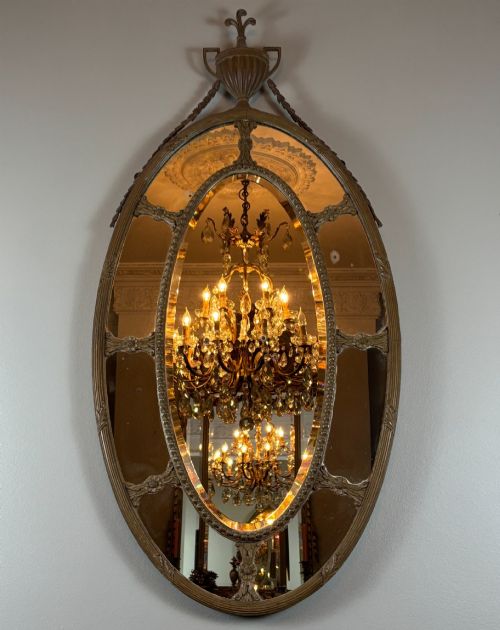
An edwardian decorative urn encompasses vessels designed for display rather than utility, drawing on periods spanning the late nineteenth century through to the 1920s. These pieces frequently appear alongside related vases, jardinieres, and ewers originating from Edwardian and Victorian workshops.
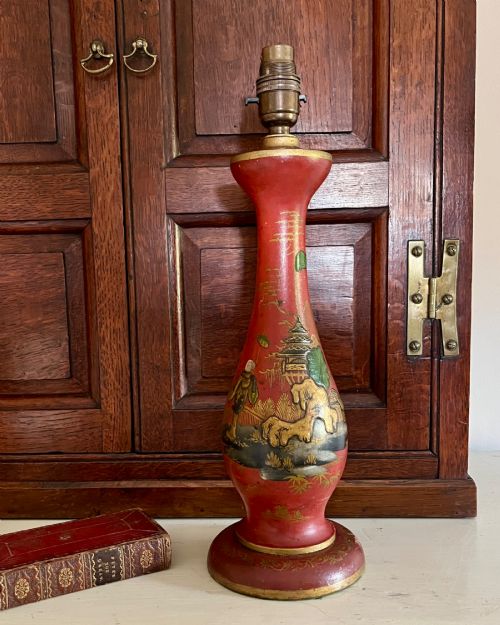
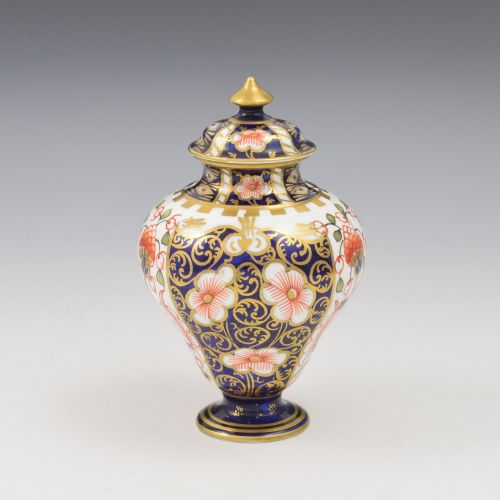
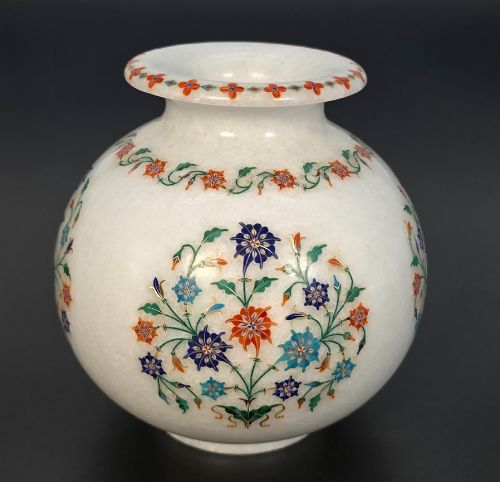
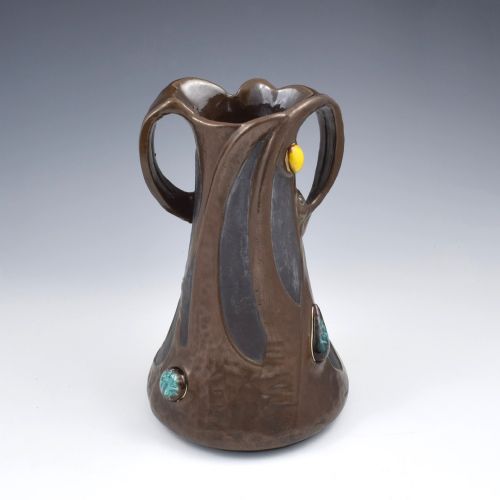
The most common versions on this page combine porcelain, earthenware, or copper with styles ranging from flowing Art Nouveau curves to traditional Adam revival motifs. Makers utilised diverse influences, including Japanese Imari palettes and Indian pietra dura inlay, to produce ornamental containers intended for prominent placement in the home.
Materials and Techniques
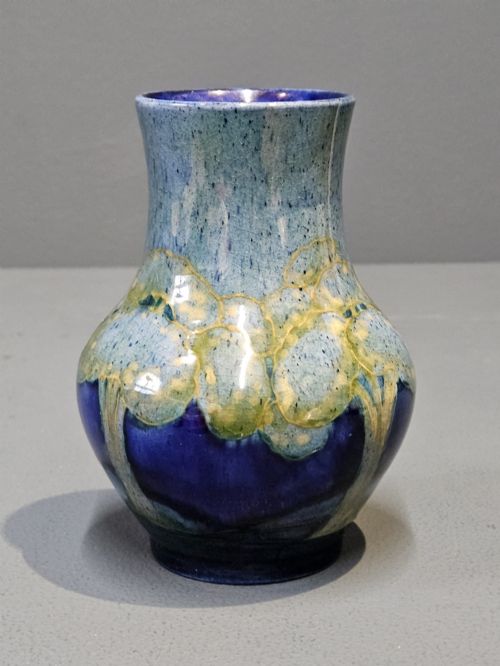
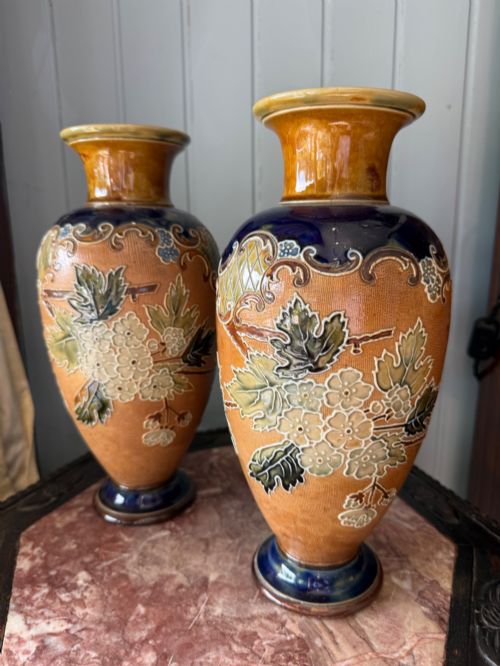
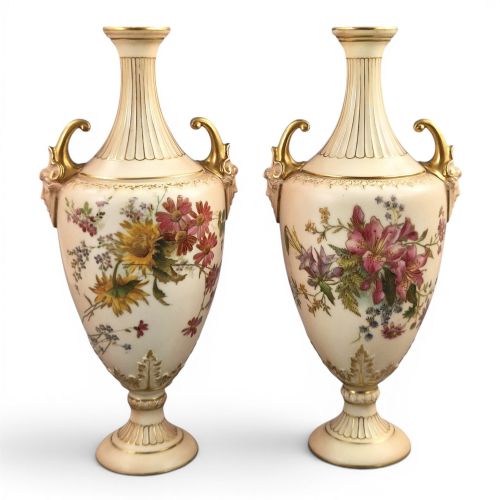
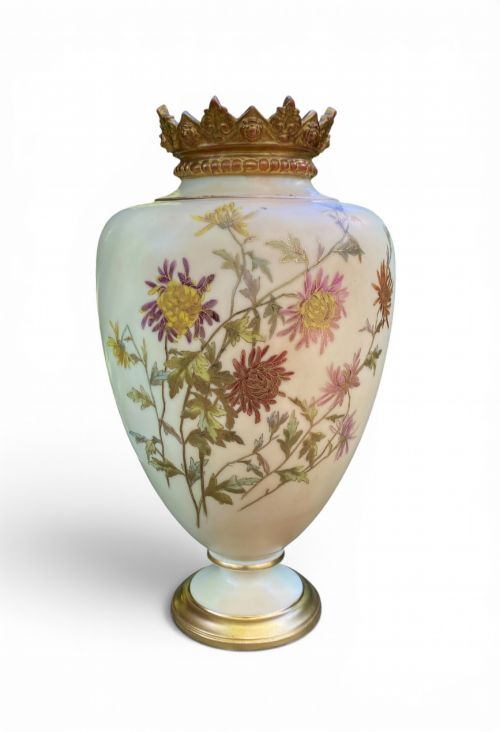
Pottery and stoneware pieces rely on skilled throwing and moulding, often finished with polychrome glazes, enamel, or gold leaf. Stoneware examples from major factories employ specialised firing techniques to achieve rich surface textures and deep cobalt blue or blush ivory colourways.
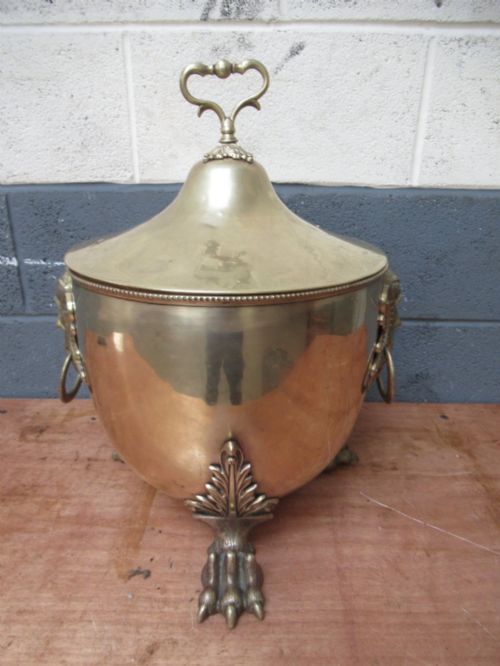
Metal vessels utilise copper, brass, and cast iron formed through chasing, patination, and pewter overlay. Artisans applied hand-enamelled decoration, jewelled cabochons, and parcel-gilt details to enrich the surfaces of both ceramic and metallic ornamental urns.
Edwardian Decorative Urn Retail Price Guide 2026
Typical asking prices for edwardian decorative urn among the pieces listed under this phrase on Sellingantiques today, from the lower quarter to the upper quarter. They describe what is for sale here now, not the wider market.
Listings feature items spanning the Victorian, Edwardian, and Art Deco periods, created in porcelain, stoneware, copper, and giltwood.
Distinctions in Execution
The distinction between standard commercial output and superior craftsmanship rests in the precision of the hand-painted details and the crispness of the modelling. Signed works by named artists or established potteries display a control of line and glaze that marks them out from unmarked production pieces.
Material application also dictates the tier of the piece, with weighty bronze, substantial stoneware, and finely chased copper demonstrating greater durability and depth of design than lighter, simpler substitutes.
Royal Doulton·Royal Worcester·Royal Crown Derby·Coalport·Minton·Galle·Bretby Pottery·William Moorcroft
The Edwardian Decorative Urn Glossary
- Blush ivory
- A soft, creamy ceramic ground developed by porcelain manufacturers to imitate ivory, frequently decorated with hand-painted floral motifs.
- Art Nouveau
- A decorative style characterised by flowing, organic lines and plant-inspired asymmetry popular around the turn of the twentieth century.
- Imari
- A ceramic decoration style featuring rich iron-red, cobalt blue, and gilt palettes inspired by Japanese export porcelain.
- Jardiniere
- An ornamental ceramic or metal pot or stand designed to hold growing plants or flowers.
- Pewter overlay
- A decorative technique where molten or sheet pewter is applied to a glass or ceramic body to form metallic surface patterns.
Edwardian Decorative Urn: Frequently Asked Questions
What is an edwardian decorative urn used for?
These vessels served primarily as ornamental display pieces on mantelpieces, pedestals, or side tables rather than for holding cut flowers.
Their substantial presence and elaborate ornamentation added formal elegance to domestic interiors during the early twentieth century.
How do I identify Art Nouveau styling?
Look for sinuous, whiplash lines, stylised floral motifs, and asymmetrical plant forms across the ceramic or metal surface.
This aesthetic dominated decorative arts around the turn of the twentieth century, influencing both pottery shapes and metalwork overlays.
How do I distinguish Edwardian from Victorian pieces?
Edwardian designs generally favour lighter palettes, cleaner classical revivals, and softer pastel tones like blush ivory.
Victorian items often display heavier forms, darker ebonised or parcel-gilt surfaces, and denser ornamentation.