





Edwardian Decorative Desk
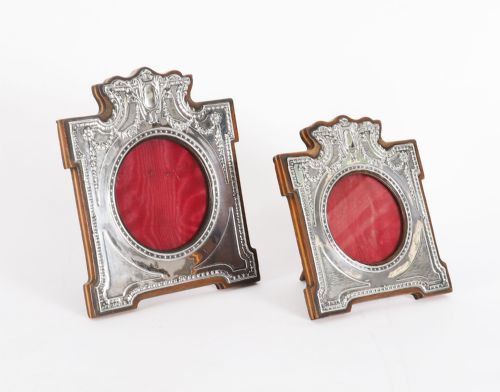
These pieces for an Edwardian decorative desk bring functional workspace charm through period brass, sterling silver and mahogany.
Edwardian Decorative Desk
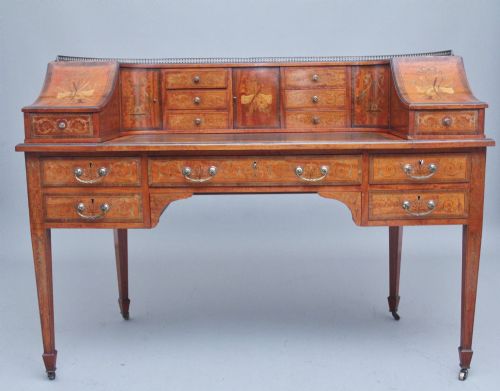
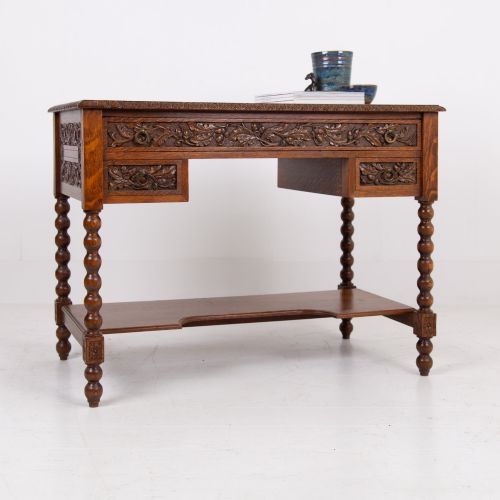
An edwardian decorative desk selection brings together workspace furniture and accessories from the turn of the twentieth century alongside related nineteenth century and interwar pieces. Buyers find primary writing surfaces like Carlton house desks, cylinder desks and side table desks accompanied by supporting items.
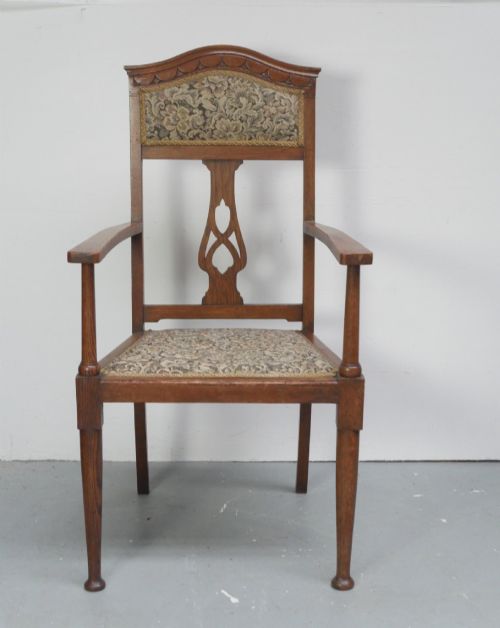
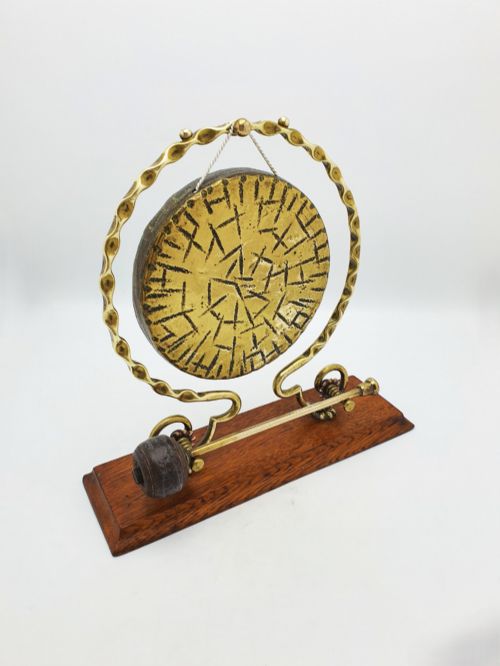
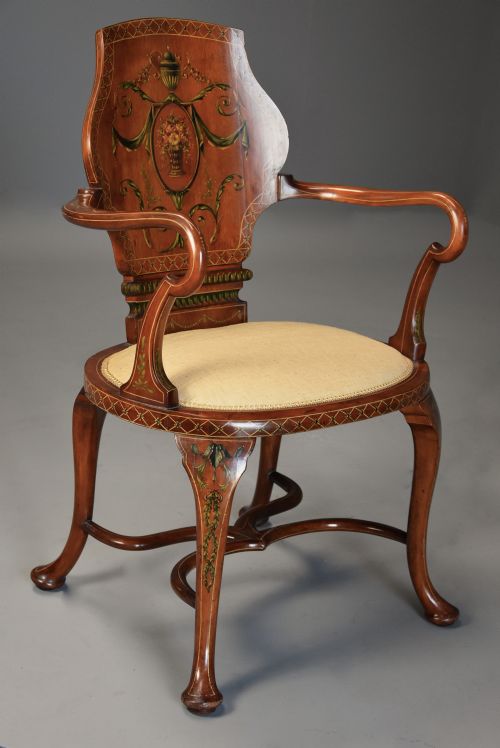
The assortment spans matching seating, lighting and small desk accessories such as photo frames, letter racks, inkwells and perpetual calendars. Oak, mahogany and satinwood dominate the larger furniture forms while brass and sterling silver shape the smaller tabletop articles.
Materials and construction
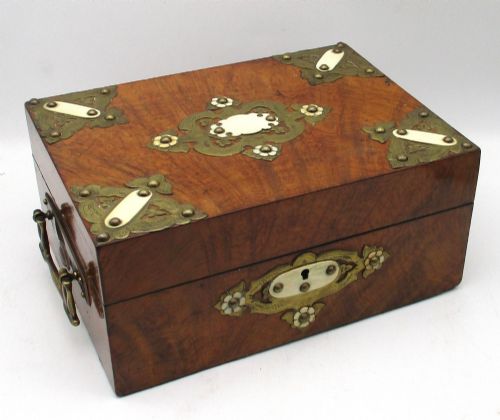
Cabinetmakers utilised hardwoods including oak, mahogany, walnut and satinwood, frequently incorporating intricate inlay work, painted decoration or Sheraton Revival and Chinoiserie motifs. Metalwork items relied heavily on cast brass, copper and sterling silver, sometimes accented with enamel, glass cabochons or velvet backings.
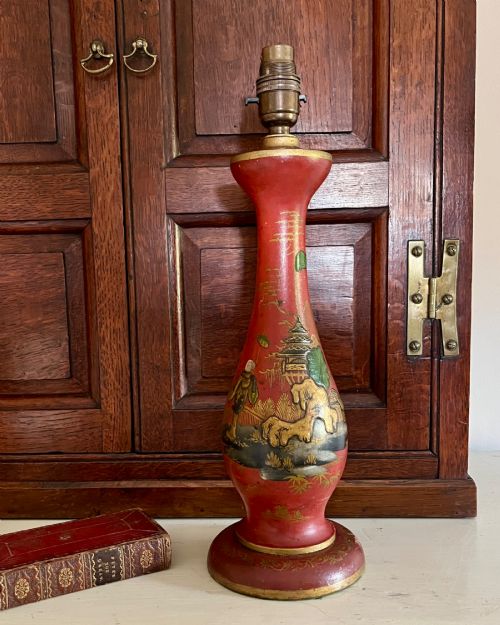
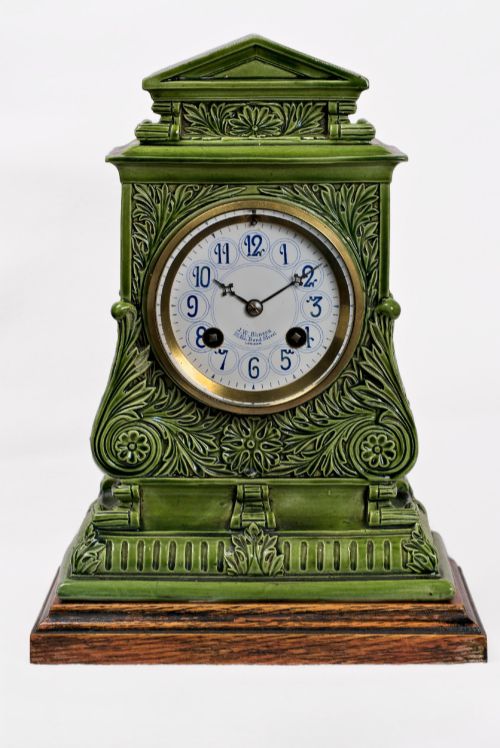
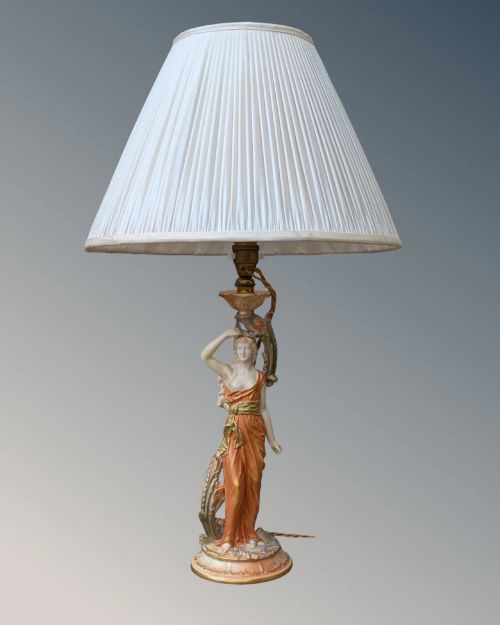
Lighting and decorative accessories combined spun or cast brass bases with glass components, porcelain elements from makers such as Minton Hollins and Royal Worcester, and bronze castings shaped in Art Nouveau or Neoclassical styles.
Edwardian Decorative Desk Retail Price Guide 2026
Typical asking prices for edwardian decorative desk among the pieces listed under this phrase on Sellingantiques today, from the lower quarter to the upper quarter. They describe what is for sale here now, not the wider market.
Listings feature lighting elements including brass Corinthian column table lamps, Art Nouveau bronze lamps and glass shades dating from the late nineteenth century to the interwar period.
Quality factors
The standard of an edwardian decorative desk and its associated items rests upon the crispness of surface carving, inlay precision and the integrity of original materials such as glass inserts and velvet linings. Pieces bearing documented maker attribution or refined hand-painted detailing command greater interest from collectors.
Subtleties in casting quality for brass components and the retention of original patination on wood and metal surfaces distinguish standard utility items from finer decorative examples.
Mappin Bros·Minton Hollins·Georges Leleu·WAS Benson
The Edwardian Decorative Desk Glossary
- Carlton house desk
- A Davenport-style writing desk featuring a curved superstructure of small drawers and compartments enclosing the writing surface. It typically stands on tapering legs with spade feet.
- Cylinder desk
- A writing desk featuring a rolling cylindrical shutter that encloses the writing slide and internal pigeonholes when closed. It represents a sophisticated evolution of the bureau.
- Perpetual calendar
- A desk accessory designed to show the day and date indefinitely through adjustable cards, drums or dials. Examples often incorporate brass frames and decorative motifs.
- Writing slope
- A portable box with a slanted lid that opens to reveal a velvet or leather-lined writing surface and storage for stationery and ink bottles. They were widely used for correspondence during the nineteenth and early twentieth centuries.
- Corinthian column
- An architectural order adapted for table lamps and desk lighting, characterised by ornate capitals decorated with acanthus leaves. It appeared frequently in brass lighting designs from the late Victorian and Edwardian eras.
Edwardian Decorative Desk: Frequently Asked Questions
What is an edwardian decorative desk?
An edwardian decorative desk encompasses writing furniture and tabletop accessories produced around the start of the twentieth century. These pieces combine practical writing surfaces with ornamental detailing typical of the period.
They reflect diverse stylistic influences including Arts and Crafts, Art Nouveau and Sheraton Revival. Buyers use them to create functional and period-authentic workspace settings.
How were brass desk accessories used?
Brass desk accessories served functional roles in daily correspondence and organisation. Items like letter racks, inkwells, calendars and hand bells helped maintain an orderly writing environment.
Craftsmen often embellished these utilitarian objects with cast decorative motifs, ranging from classical columns to Egyptian-inspired ornamentation.
How do I identify an edwardian piece?
Identifying pieces from this era involves examining the combination of materials, construction methods and stylistic motifs. Lighter woods like satinwood, painted floral decorations and specific hardware often point toward the Edwardian period.
Comparing items against documented maker marks and known design movements helps clarify the exact date of origin.
Can I use antique desk items today?
Antique desk accessories integrate well into modern workspaces for daily use. Sterling silver photo frames, wooden letter racks and brass table lamps remain fully functional.
Careful placement and gentle cleaning preserve the original patination and materials while serving contemporary organisational needs.