



Edwardian Crystal
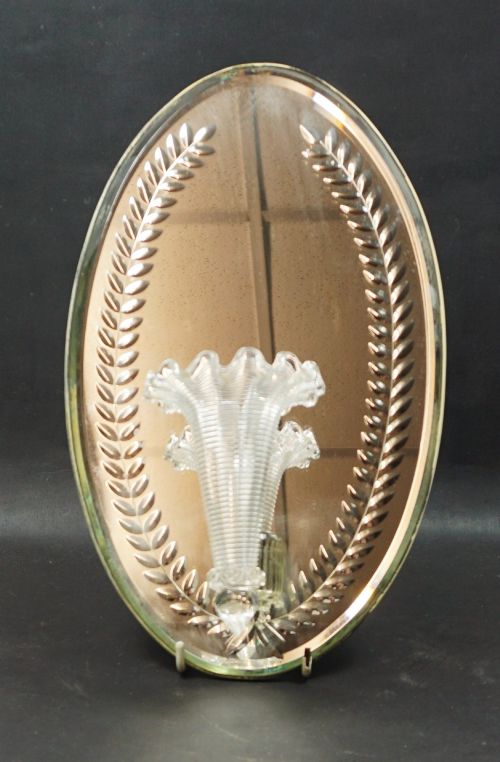
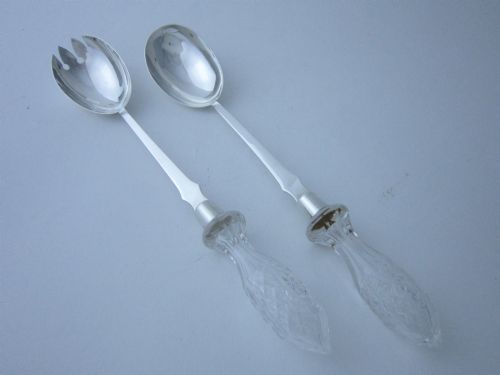
Edwardian crystal brings together brilliant cut glass and polished silver mounts to illuminate rooms and serve drinks with period grace.
Edwardian Crystal
When you search for edwardian crystal, you encounter a focused selection of tablewares, lighting, and decorative accessories spanning the early twentieth century. The period embraces practical drinking vessels alongside ornate overhead illumination designed to catch and refract light.
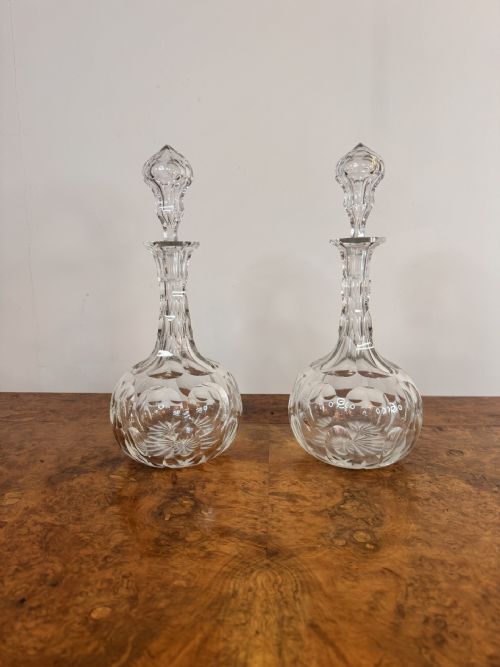
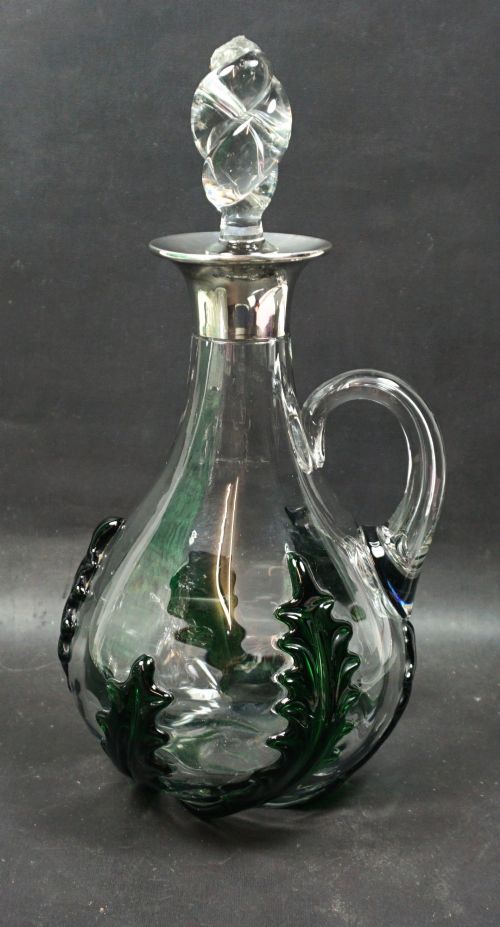
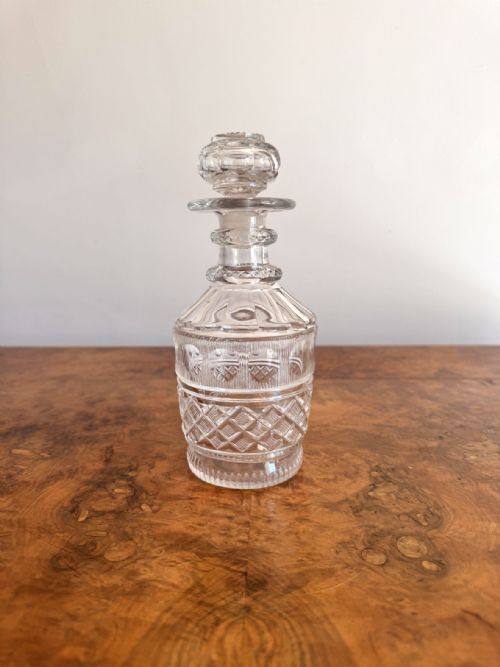
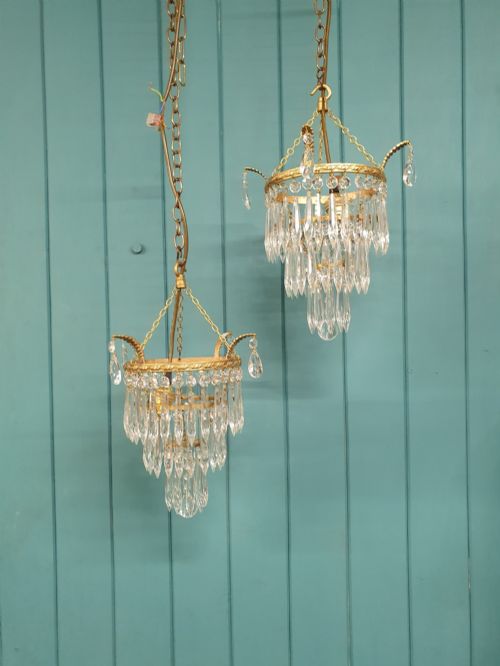
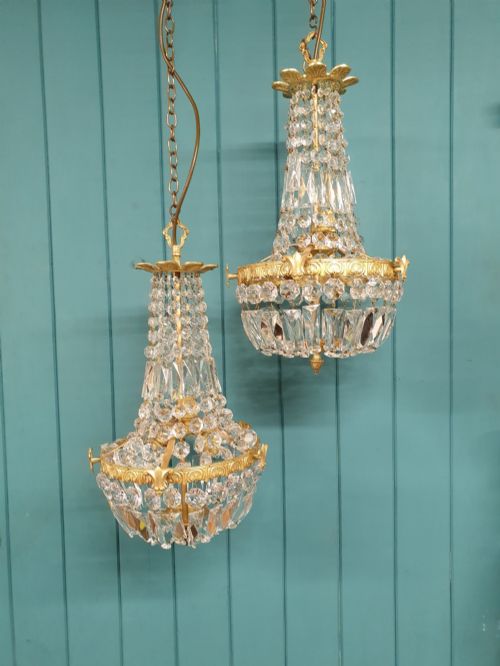
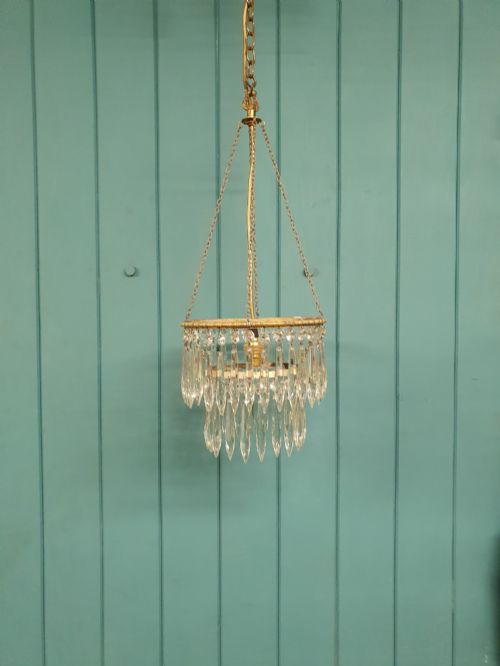
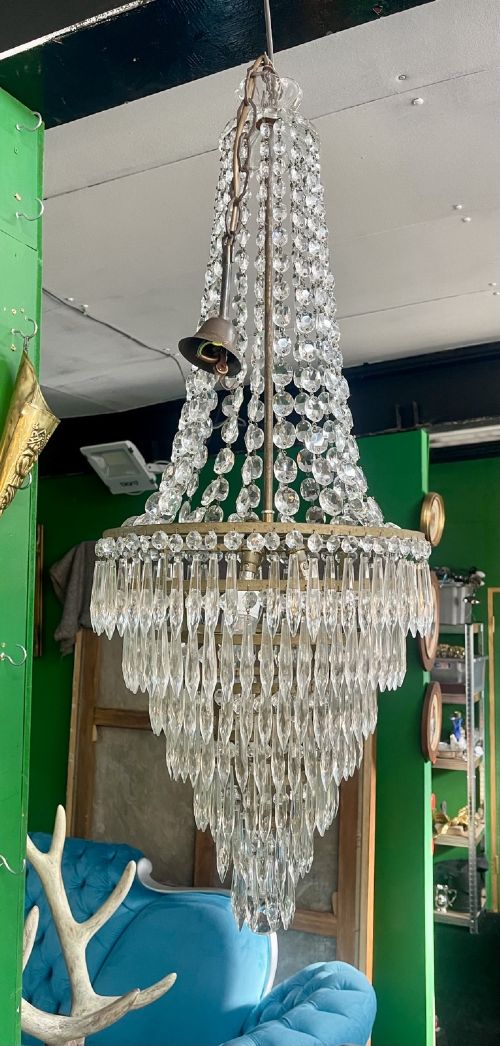
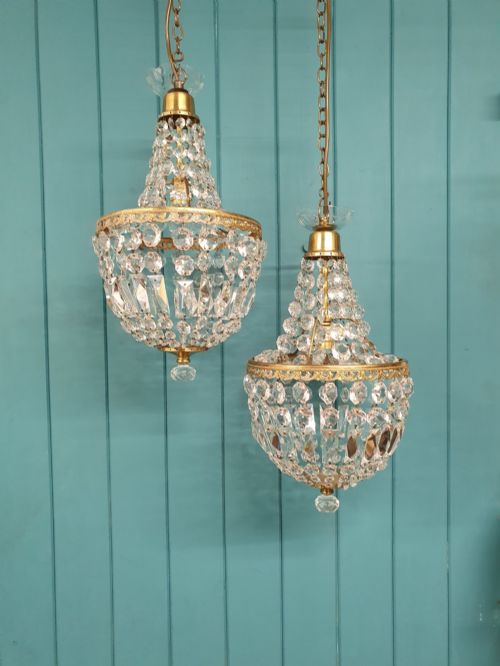
Decanters, jugs, and glassware form a large portion of these listings, often finished with sterling silver collars or stoppers. Chandeliers and ceiling lights, including spike and tent configurations with brass frames, represent the heavier decorative side of the category.
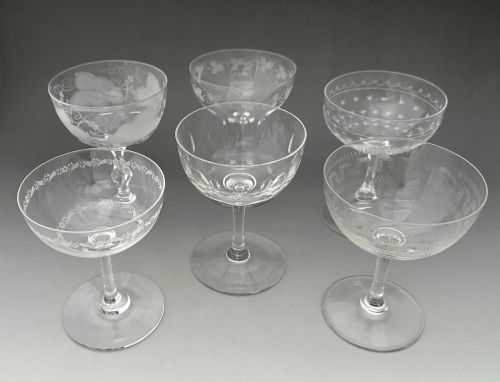
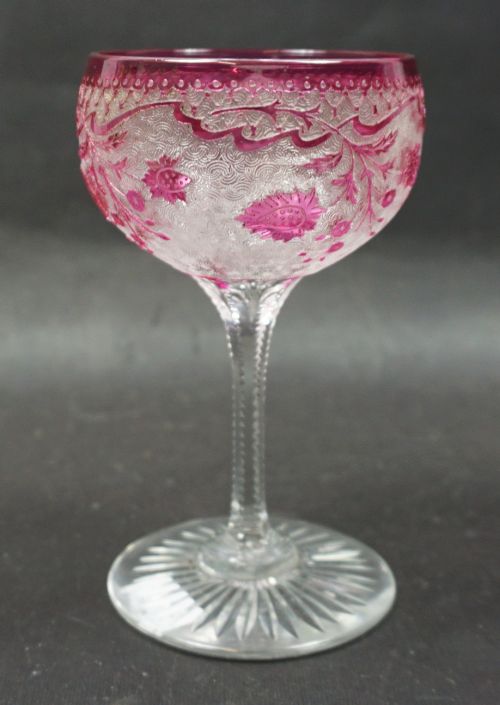
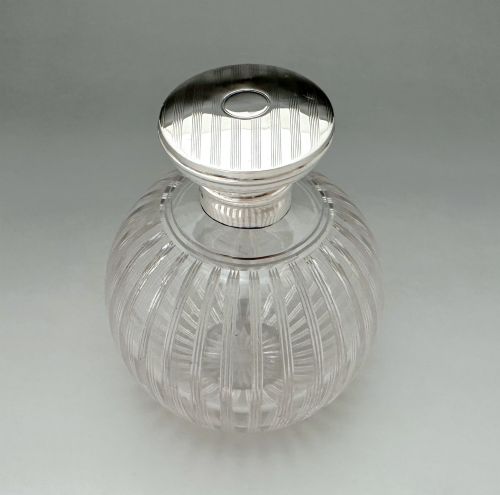
Smaller items such as scent bottles with tortoise shell tops, trinket boxes, and champagne coupes appear alongside larger lighting fixtures. These objects bridge late Victorian weightiness and the lighter decorative movements of the early 1900s.
Variations in quality
The clarity of the material and the crispness of the cutting define the upper tier of these pieces. Deep, sharply defined facets on crystal reflect light cleanly, whereas softer edges indicate hurried finishing or heavy wear.
The integration between metal mounts and glass bodies marks another distinction in standard. Secure silver collars, substantial bronze or brass framing, and intact prismatic drops elevate the integrity of individual items.
Edwardian Crystal Retail Price Guide 2026
Typical asking prices for edwardian crystal among the pieces listed under this phrase on Sellingantiques today, from the lower quarter to the upper quarter. They describe what is for sale here now, not the wider market.
Listings feature items from the Edwardian period, Victorian era, and the 1920s to 1930s, utilising cut glass, crystal, silver, and brass.
Baccarat Vallee·William Comyns·Stevens and Williams
The Edwardian Crystal Glossary
- Lead crystal
- Glass containing a high percentage of lead oxide to increase weight, brilliance, and softness for deep cutting. This material accounts for the heavy feel and bright refractive properties seen in period decanters and chandeliers.
- Tent chandelier
- A lighting fixture featuring a cascading upper canopy of glass drops arranged in a tent-like shape above the main tier of arms. These fixtures use brass or gilt bronze frames to suspend rows of cut crystals.
- Claret jug
- A vessel specifically designed for serving red wine, typically combining a cut glass or crystal body with a silver handle, mount, and hinged lid. Examples often feature star-cut bases and handle mounts bearing period hallmarks.
- Hobnail cut
- A decorative glass-cutting pattern consisting of raised, square-profile facets that resemble the hobnails used on heavy boots. This technique creates a textured surface that disperses light intensely.
- Plafonnier
- A ceiling-mounted bowl light that sits flat or close against the ceiling surface rather than hanging on a suspension chain. These fixtures utilise cut or moulded glass shades supported by metal fittings.
Edwardian Crystal: Frequently Asked Questions
How do I identify genuine edwardian crystal?
Authentic pieces rely on heavy lead content, sharp hand-cut facets, and period mounting metals like sterling silver or brass. Look for subtle irregularities in the glass surface that indicate hand-finishing rather than modern machine moulding.
Examine any attached metal components for period hallmarks or maker marks that confirm the manufacturing era. The combination of weight, deep cutting, and appropriate period styles points to genuine early twentieth century origin.
How were these decanters and glassware used?
Decanters and jugs served alcoholic beverages such as port, claret, and whisky during formal dining and drawing room gatherings. Glassware sets, including champagne bowls and tumblers, catered to the social hosting habits of the era.
Smaller items like scent bottles and trinket boxes sat on dressing tables to hold personal perfumes and small valuables. Lighting fixtures illuminated reception rooms and hallways with shimmering candle or electric light.
Can I use edwardian crystal every day?
Most decanters, jugs, and glassware pieces remain fully functional for modern dining and entertaining. Hand washing in lukewarm water preserves the fragile silver mounts and prevents thermal shock to the old crystal.
Avoid using dishwashers or abrasive scourers, which can damage the polished glass surfaces and erode silver elements. With careful handling, these practical objects integrate smoothly into daily use.
What styles influenced edwardian lighting fixtures?
Lighting designs drew upon French Empire, Art Nouveau, and classical revival styles popular across Europe at the turn of the century. Ormolu frames and gilt bronze mounts introduced continental opulence to domestic interiors.
At the same time, simpler geometric forms anticipated the cleaner lines of the Art Deco period that followed. This stylistic crossover produces both ornate multi-tiered chandeliers and restrained, elegant ceiling lights.