



Edwardian Crystal Wine Jug
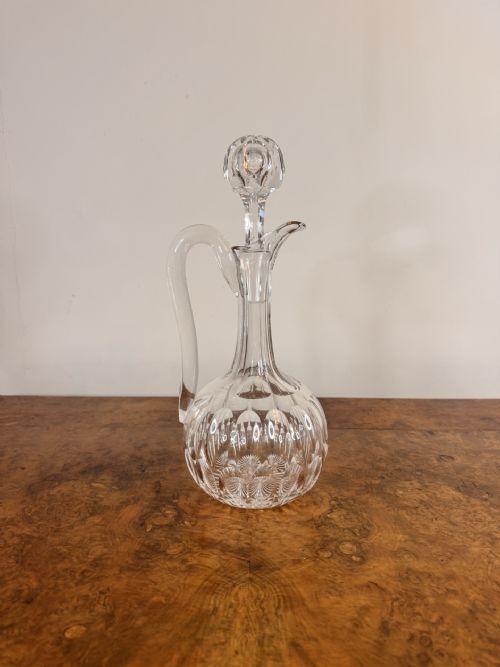
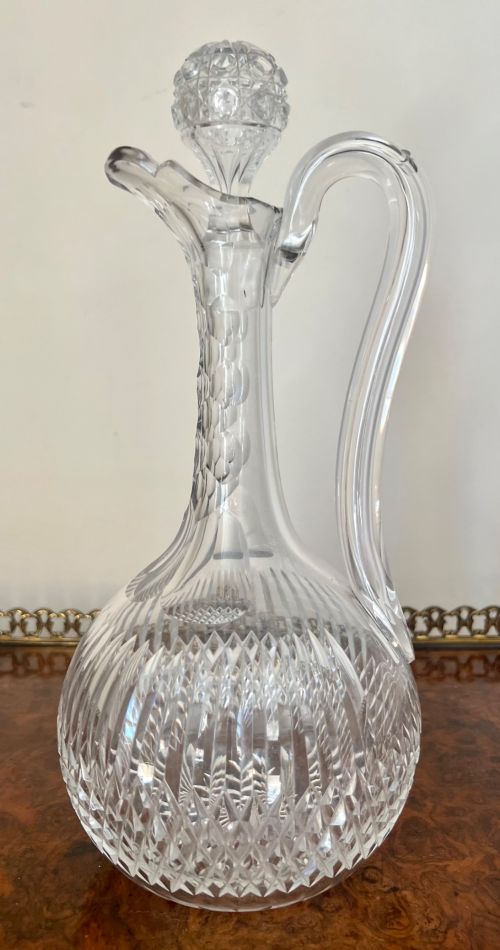
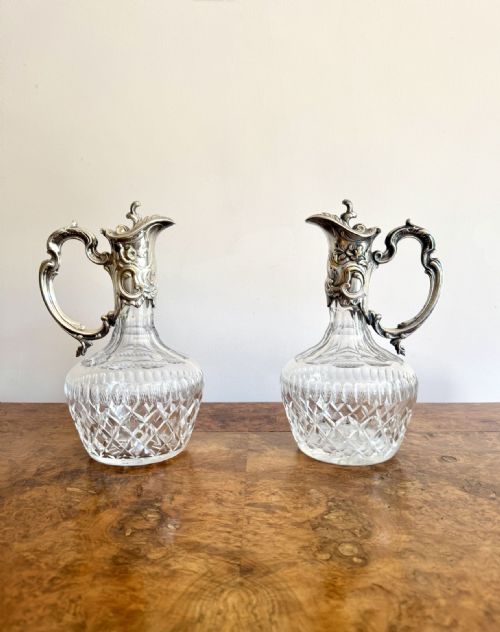
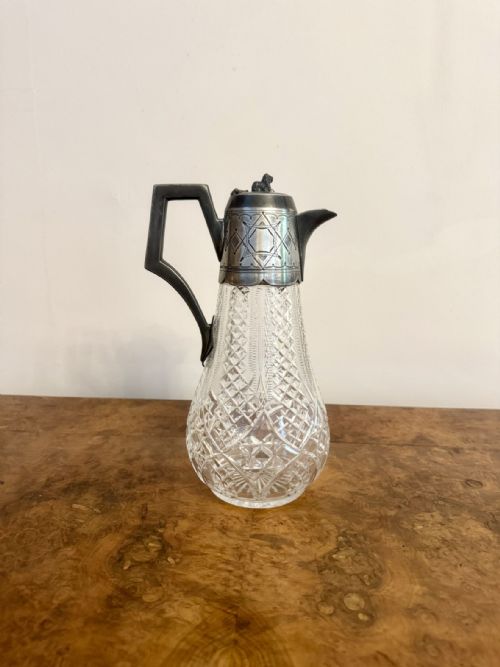
An edwardian crystal wine jug brings table service from the early twentieth century into modern dining rooms with cut glass brilliance.
Edwardian Crystal Wine Jug
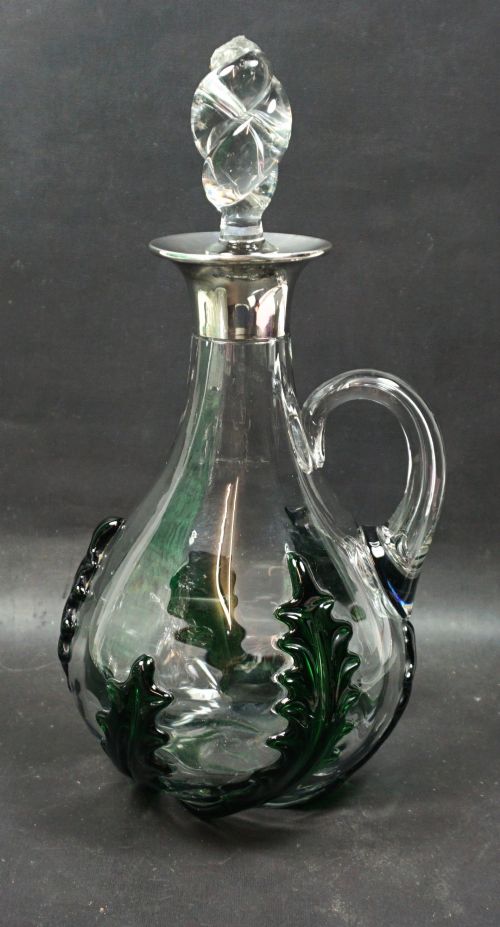
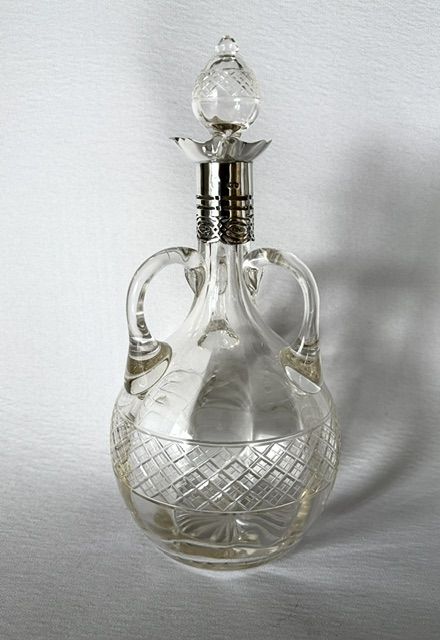
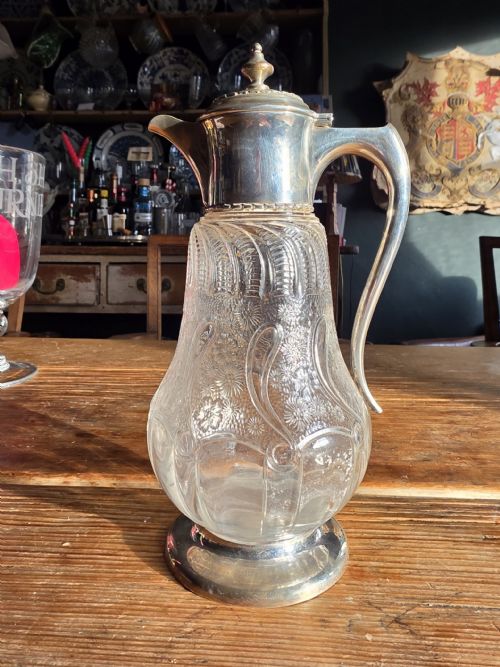
An edwardian crystal wine jug brings together heavy glass vessels and polished metal mounts for formal dining service. The listings here comprise claret jugs, ewers, and decanters spanning the late Victorian and Edwardian periods.
Most examples you encounter on this page date from the Edwardian era, formed with cut glass bodies and fitted with silver plate or sterling silver hardware. These serve primarily as table jugs for wine, water, or cordials.
How they were made
Maker's workshops combined heavy lead crystal with hand-cut patterns to refract light through the vessel walls. Cut glass and rock crystal forms were paired with silver plate or sterling silver mounts, secured around the neck and hinged at the lid.
Craftsmen shaped glass blanks by blowing and moulding before applying wheel-cut facets, flutes, and intaglio designs. Metalfounders cast mounts in silver and plated white metal, attaching handles and spouts to complete each jug.
Edwardian Crystal Wine Jug Retail Price Guide 2026
Typical asking prices for edwardian crystal wine jug among the pieces listed under this phrase on Sellingantiques today, from the lower quarter to the upper quarter. They describe what is for sale here now, not the wider market.
Listings span the Victorian and Edwardian eras, incorporating cut glass, rock crystal, sterling silver, and silver plate in claret jugs and ewers.
What varies in quality
Quality rests in the depth and precision of the glass cutting and the weight of the metal mounts. Finer pieces display crisp, deep wheel-cutting and substantial sterling silver hardware rather than light silver plate.
The balance of the vessel, the clarity of the lead crystal, and the snugness of the hinged silver cover distinguish the work of prominent makers from standard production pieces.
William Comyns·Webb Corbett
The Edwardian Crystal Wine Jug Glossary
- Ewer
- A large jug with a wide spout and arched handle, traditionally used for serving water or wine at table.
- Claret jug
- A specialised vessel designed specifically for serving red wine, usually fitted with a hinged metal lid and handle.
- Intaglio
- A design carved into the surface of the glass rather than raised in relief, creating smooth sunken motifs.
- Lead crystal
- Glass containing metal oxides that increase weight, refractive index, and clarity for deep cutting.
- Silver plate
- A thin layer of silver fused or electroplated onto a base metal foundation, such as brass or copper.
Edwardian Crystal Wine Jug: Frequently Asked Questions
How do I clean an edwardian crystal wine jug?
Wash these vessels by hand in warm soapy water using a soft bottle brush. Avoid abrasive scourers that scratch the surface or damage metal mounts.
Dry the silver mounts immediately with a soft cloth to prevent tarnishing, and leave the jug inverted on a linen mat until completely dry inside.
Can I use these jugs for serving wine today?
These vessels function properly for decanting and serving wine at modern dinner parties. Rinse the interior thoroughly before filling to remove any dust.
Take care when handling heavy lead crystal pieces, particularly when tipping the vessel to pour, as the combined weight of glass and metal is substantial.
How do I tell Victorian jugs from Edwardian ones?
Victorian examples often feature heavier, more ornate ornamentation with dense surface cutting and robust cast mounts. Look for registry marks or hallmarks that give precise dating.
Edwardian pieces lean toward lighter proportions and graceful Arts and Crafts influences, though significant overlap in styles occurs across the turn of the century.
What is the difference between silver plate and sterling silver mounts?
Sterling silver contains a high purity standard of precious metal and carries hallmarks indicating the maker, assay office, and date. Silver plate consists of a base metal coated with a thin layer of silver.
Both materials were used extensively for mounts, but sterling silver holds higher intrinsic value and develops a distinct patina over time.