


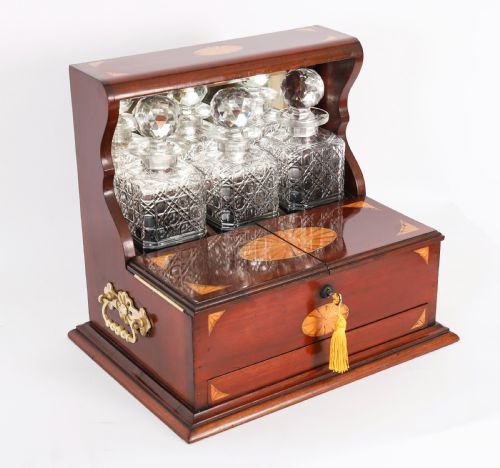

Edwardian Crystal Glass Bottle
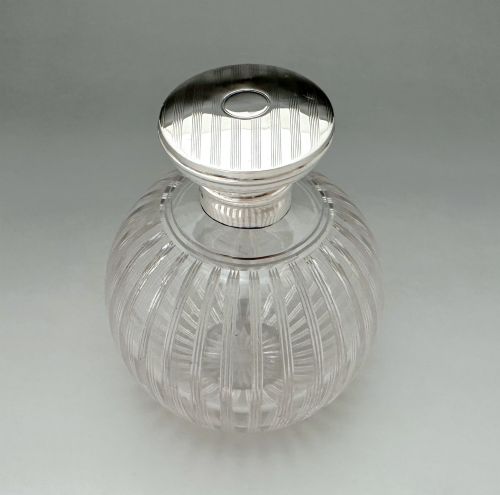
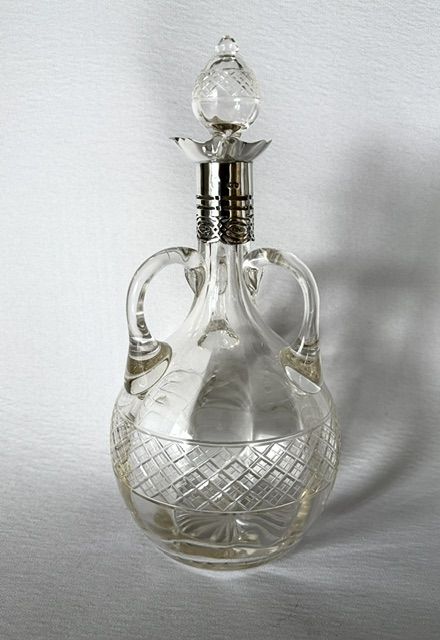
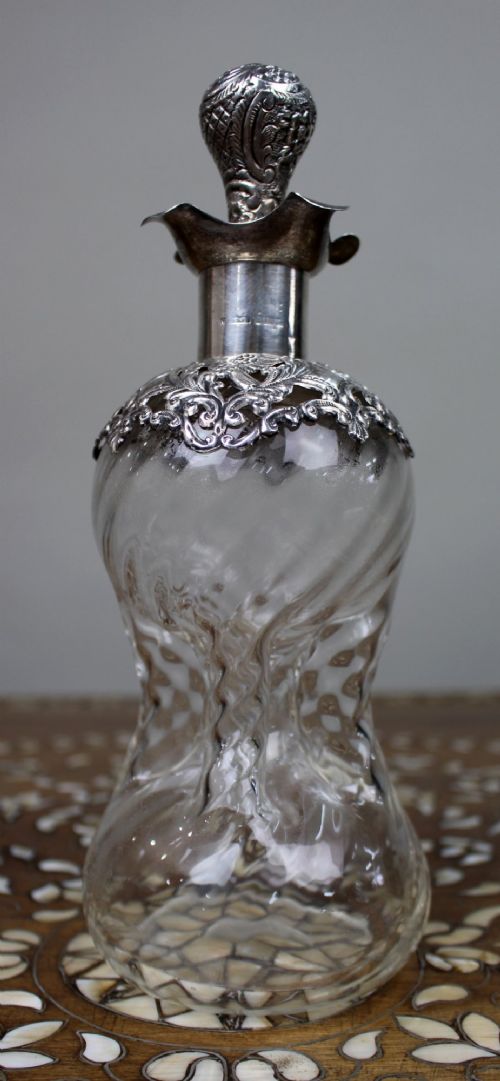
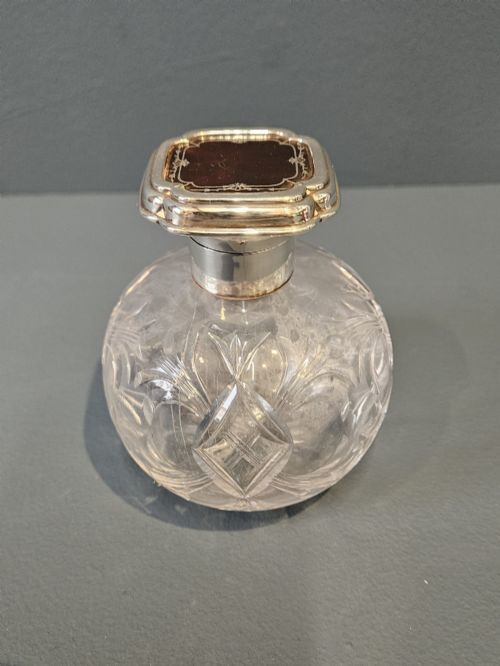
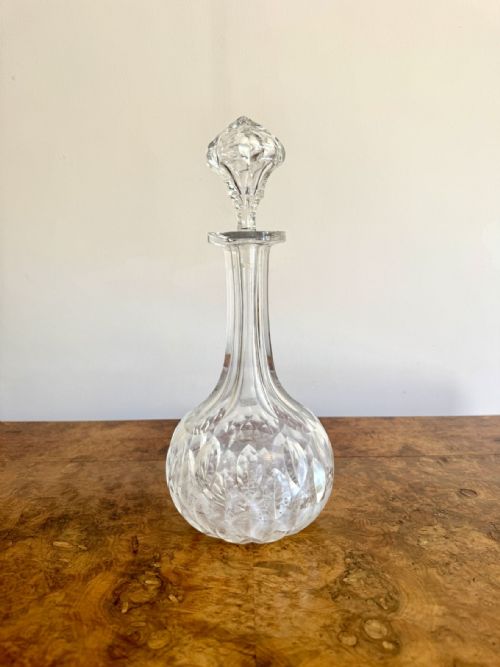
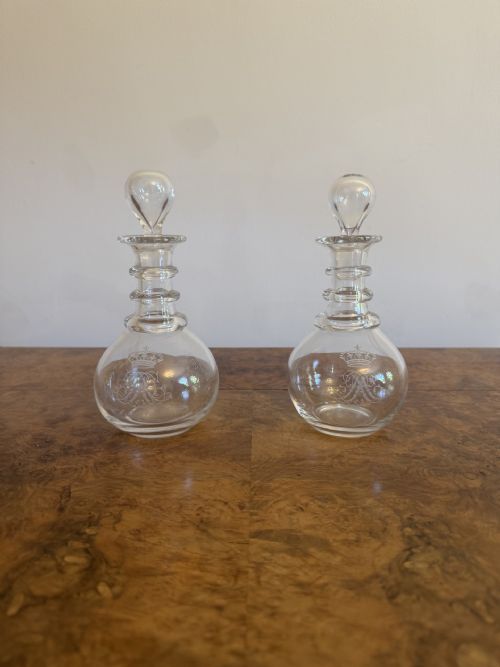
These edwardian crystal glass bottle examples span decanters, scent vessels and cruets, offering brilliant cut glass and silver collars for the collector of domestic antiques.
Edwardian Crystal Glass Bottle
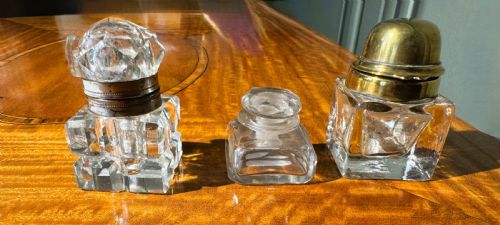
An edwardian crystal glass bottle search reveals a wide assortment of functional vessels, most commonly taking the form of decanters, scent bottles and inkwells. These items served domestic and personal needs in homes during the late nineteenth and early twentieth centuries.
The selections encountered here frequently date from the Edwardian period and the late Victorian era, alongside related pieces from the George V and Art Deco years. Decanters and scent bottles dominate the forms available on this page.
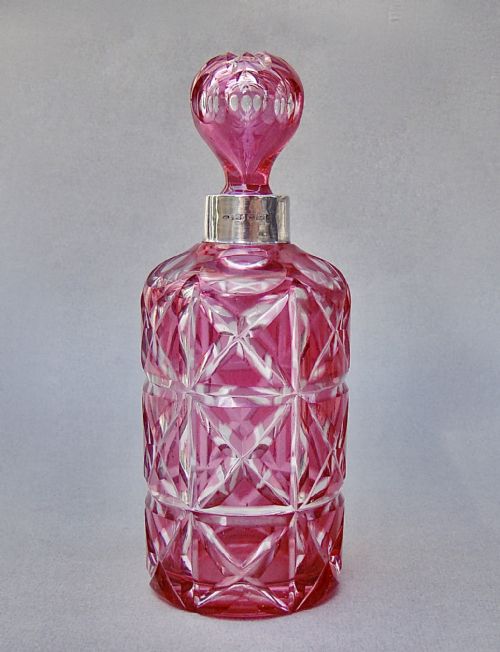
Makers and manufacturers utilised various materials to house spirits and perfumes, pairing clear crystal with sterling silver collars, mounts and stoppers. Buyers also encounter coloured glass and fitted tantalus sets within this grouping.
How they were made
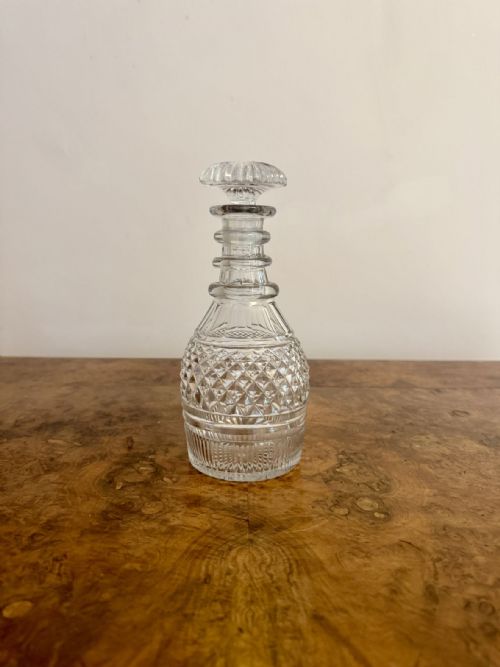
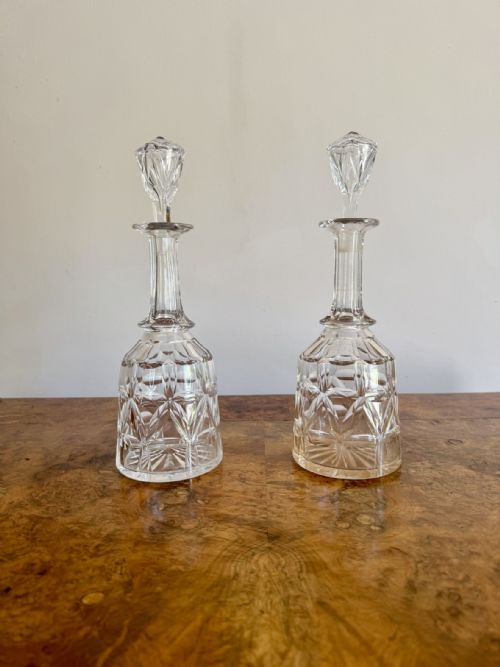
Glassmakers utilised lead crystal and standard glass, often shaping vessels through heavy cutting to create deep geometric patterns that catch the light. Workshops also employed optical blowing techniques to form smooth bell shapes and carafes.
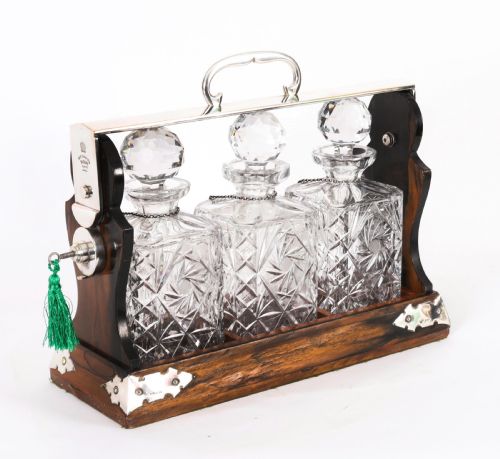
Metalworkers added sterling silver, silver plate, brass and tortoise shell as collars, lids and mounts to secure the glass tops. Woodworkers constructed oak, satin wood and coromandel frames to house multiple decanters securely within locking tantalus sets.
Victorian hosts locked their whiskey away in wooden tantalus frames to keep the spirits safe from thirsty household staff.
What varies in quality
The precision and depth of the glass cutting separate standard utility items from finer decorative examples. Crisp facet cuts and well-matched stoppers indicate superior craftsmanship.
The quality of the metal mounts, including hallmarked sterling silver collars and heavy cast handles, dictates the overall grade of the piece. Fitted woodwork in tantalus sets demonstrates a similar standard of construction.
Harold Bushell & Co·James Powell
The Edwardian Crystal Glass Bottle Glossary
- Cut Glass
- Glass decorated by grinding facets or patterns into the surface using a rotating wheel. This technique enhances the refractive quality of the material.
- Tantalus
- A locked wooden frame holding decanters so that the bottles cannot be removed without a key. The contents remain visible yet secure.
- Guilloche Enamel
- Decorative metalwork covered in translucent enamel over an engraved geometric pattern. It appears frequently on scent bottle lids.
- Cruet Set
- A matched collection of small glass bottles for holding condiments at the dining table, often fitted into a metal frame.
Edwardian Crystal Glass Bottle: Frequently Asked Questions
What is an edwardian crystal glass bottle used for?
These vessels served various functions around the home, primarily holding spirits, perfumes or ink. Decanters sat on sideboards for serving drinks, while smaller scent bottles rested on dressing tables.
Craftsmen designed them to combine utility with display value, utilising cut glass and precious metal mounts to suit formal interior settings of the period.
How do I identify an Edwardian decanter?
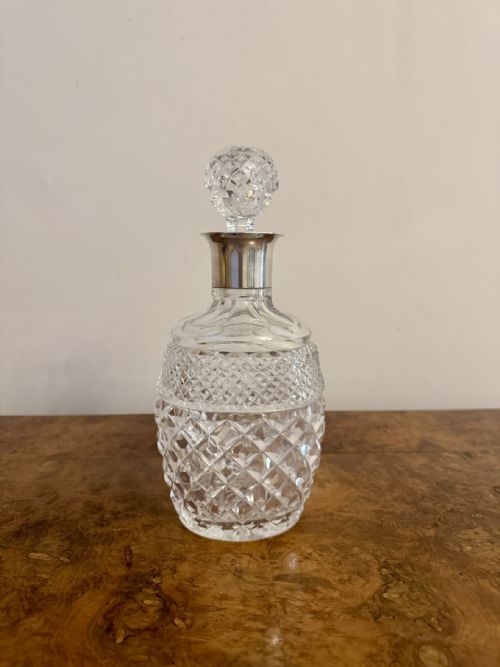
Edwardian decanters typically feature heavy lead crystal bodies with distinct facet cutting, paired with sterling silver collars bearing hallmarks for the early twentieth century. Their forms often lean towards globular or bell shapes.
Comparing the style of the silver mounts and the weight of the crystal helps distinguish pieces made between nineteen hundred and nineteen ten from earlier Victorian equivalents.
What is a tantalus holding glass bottles?
A tantalus is a locking wooden stand that secures decanters within a metal bar framework. The name derives from the mythological figure, as the bottles remain visible yet out of reach.
Victorian and Edwardian households utilised these locking frames on sideboards to prevent servants or guests from accessing spirits without permission.