
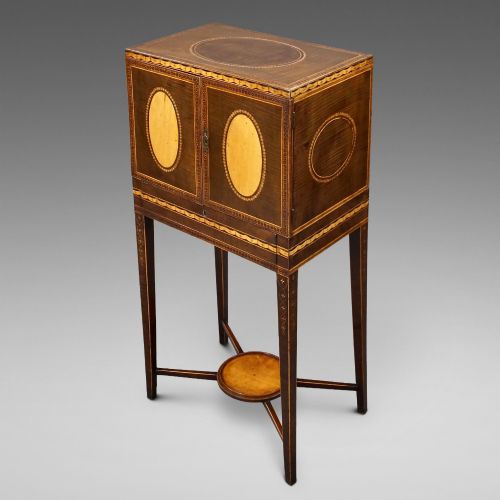
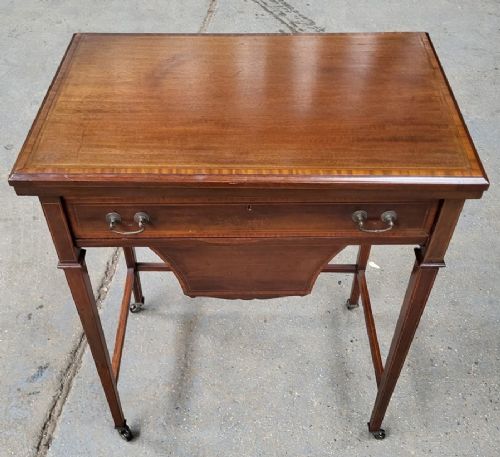

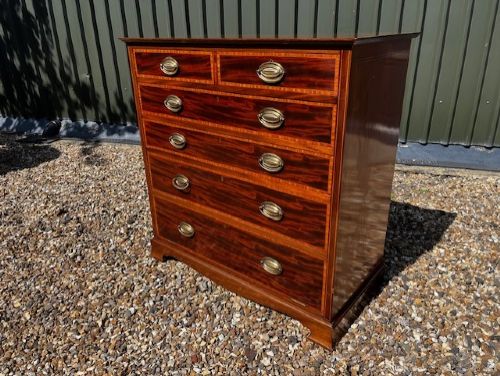


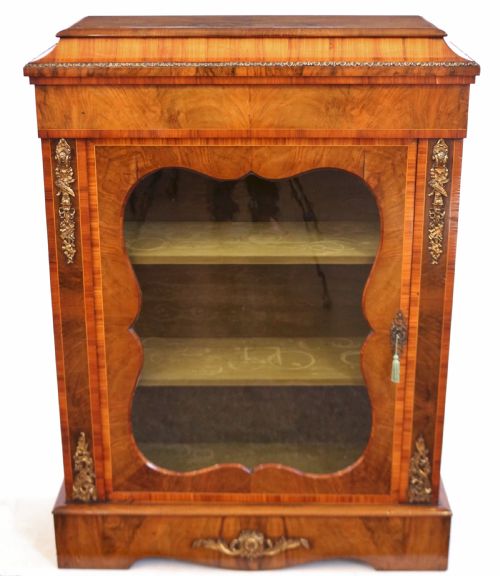

Edwardian Crossbanded Cabinet
An edwardian crossbanded cabinet brings fine timberwork and classic inlay to a room, offering both display and storage for the discerning collector.

Edwardian Crossbanded Cabinet
The edwardian crossbanded cabinet brings together refined cabinet-making traditions of the early twentieth century and earlier revival periods. Pieces matching the edwardian crossbanded cabinet search phrase span forms including display storage, games and sewing tables, sideboards, and tall chests.
The material palette is rich, featuring mahogany, satinwood, walnut, harewood, and oak, often accented with boxwood and brass fittings. Stylistic influences draw heavily on Sheraton and Queen Anne designs, alongside Edwardian Sheraton Revival work.
Buyers frequently encounter sideboards, pier cabinets, and bijouterie cabinets from the Edwardian era, as well as select pieces from the Victorian and eighteenth-century periods. These items reflect a diverse heritage of British furniture production ranging from 1880 through to 1910.
Assessing quality and craftsmanship
Quality rests in the precision of the timber matching and the subtlety of the crossbanding and inlay work. Superior examples demonstrate seamless integration of contrasting woods like satinwood and mahogany, with clean grain alignment.
The choice of primary timber and secondary framing woods dictates the structural integrity and lasting weight of each piece. Refined brass fittings and intact original glass further separate standard utility items from exceptional cabinet-work.
Some sewing tables managed to conceal their threads and needles beneath immaculate crossbanded lids, keeping the parlour tidy.
The Edwardian Crossbanded Cabinet Glossary
- Crossbanding
- A strip of veneer applied to the border of a panel where the grain runs perpendicular to the central wood. This technique frames the surface and creates a distinct geometric contrast.
- Satinwood
- A luminous hardwood known for its golden-yellow sheen and fine grain, frequently utilised for inlay and banding. It provides a bright accent against darker timbers like mahogany.
- Bijouterie cabinet
- A specialised display table or cabinet designed with a glass top and upper section to exhibit small precious objects and curiosities. These pieces often feature satinwood crossbanding.
- Pier cabinet
- A low freestanding cabinet proportioned to sit against the wall space between windows. Victorian and Edwardian examples frequently incorporate burl walnut and glazed doors.
Edwardian Crossbanded Cabinet: Frequently Asked Questions
What is crossbanding on a cabinet?
Crossbanding involves applying a border of veneer where the wood grain runs across the width of the strip rather than along its length. This frames the central panel and highlights the natural figure of the timber.
Cabinet-makers utilised this technique to add decorative contrast using woods like satinwood or harewood against a mahogany or walnut carcase.
How do I date an Edwardian cabinet?
Dating relies on examining the timber species, construction methods, and stylistic revival cues visible in the piece. Edwardian items frequently blend Sheraton proportions with lighter satinwood banding and distinct brass hardware.
Comparing the secondary woods inside drawers and the style of the joinery against known period examples helps confirm the approximate decade of manufacture around 1900.
Where should I place a pier cabinet?
Pier cabinets are traditionally designed to stand against the narrow wall space between two windows. Their shallow depth allows them to fit compactly into reception rooms without obstructing walkways.
Glass-fronted versions work well for displaying collections of porcelain or small decorative objects while keeping them protected from dust.
What is a bijouterie cabinet used for?
A bijouterie cabinet serves as a display case specifically intended for small valuable items, jewellery, medals, and curiosities. The glazed top and upper compartment allow viewing from above and the sides.
These pieces typically feature delicate legs and crossbanded timberwork, making them suited for drawing rooms and sitting areas.