
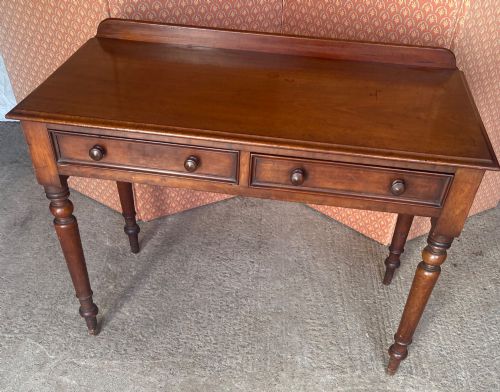
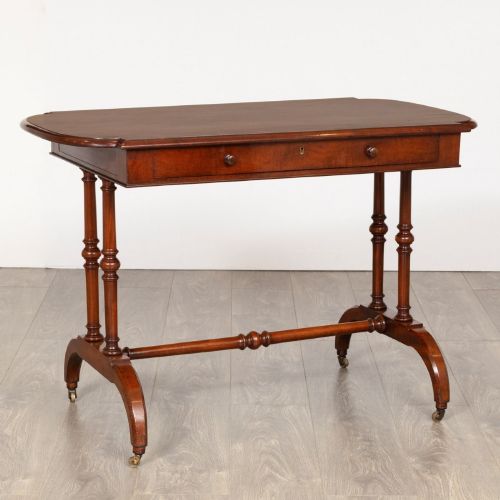
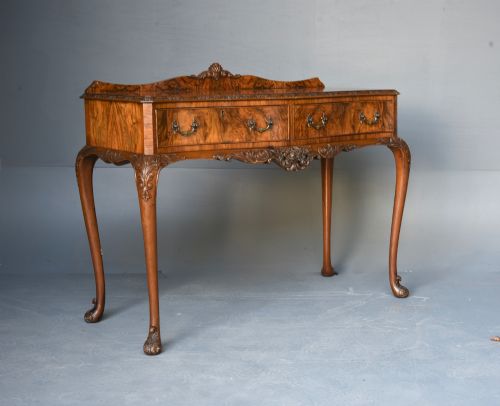
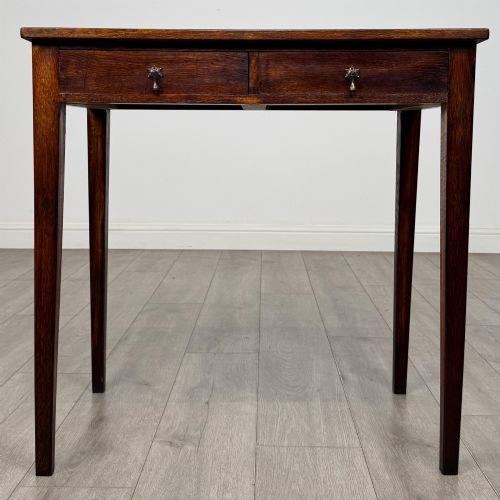


Edwardian Console Desk
An Edwardian console desk offers compact writing utility with refined proportions, suiting study spaces or reception rooms.
Edwardian Console Desk
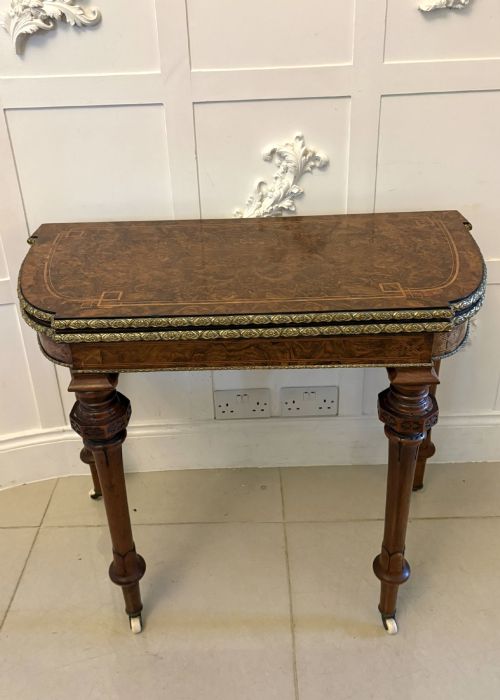
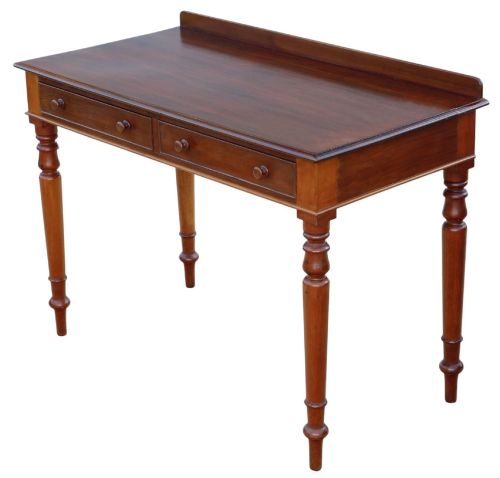
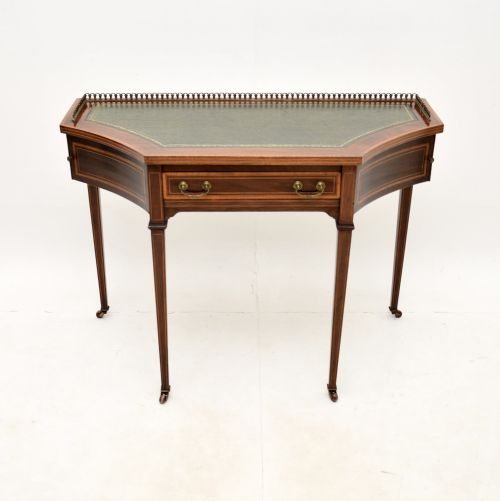
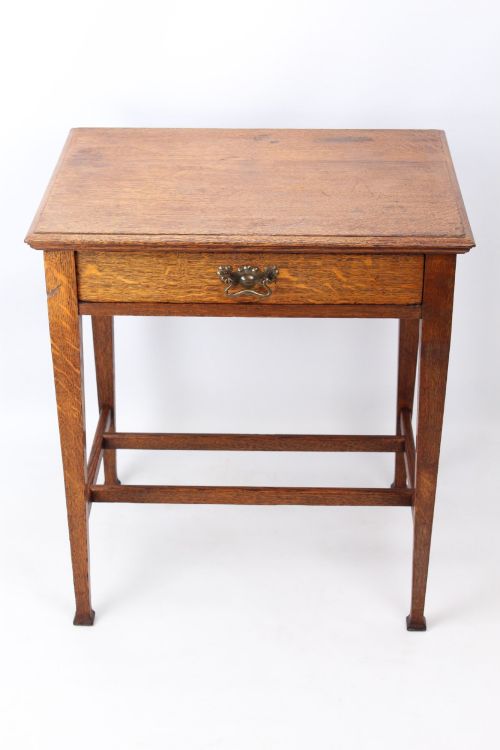
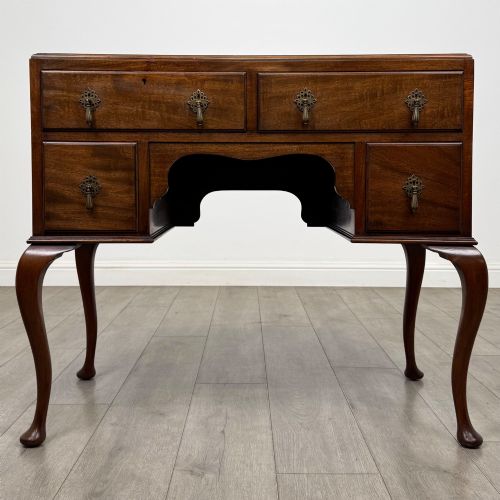
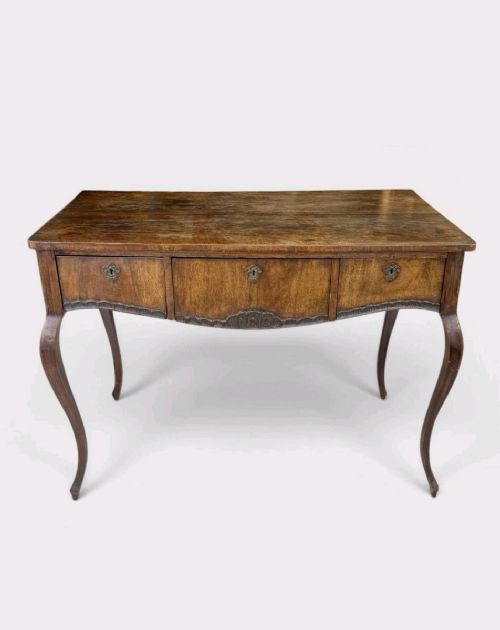
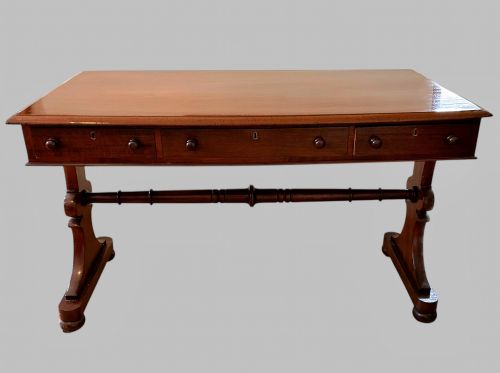
The edwardian console desk bridges the gap between a formal writing table and a decorative hallway console, combining surface space with integrated drawers. Buyers often encounter pieces fashioned from mahogany, walnut, or oak, frequently featuring inlaid details and tapered legs.
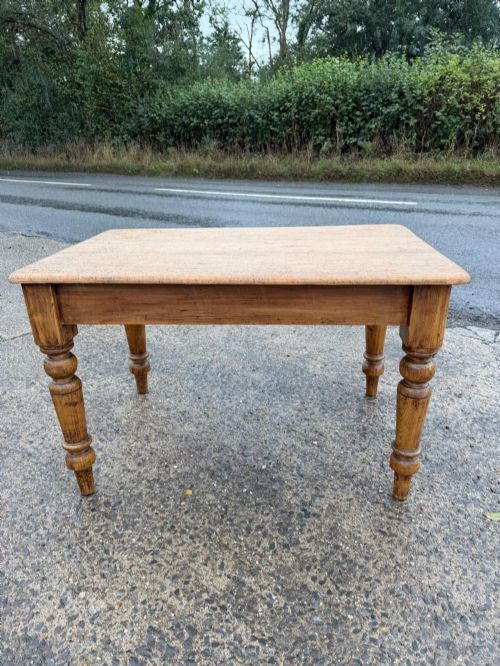
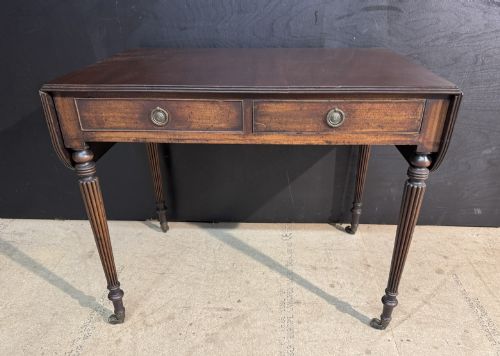
While many examples date directly to the edwardian era and the early twentieth century, the selection also draws upon nineteenth-century Victorian and Georgian design influences. These tables appear in forms such as writing desks, side tables, and demi lune consoles equipped with single or multiple frieze drawers.
Materials and construction
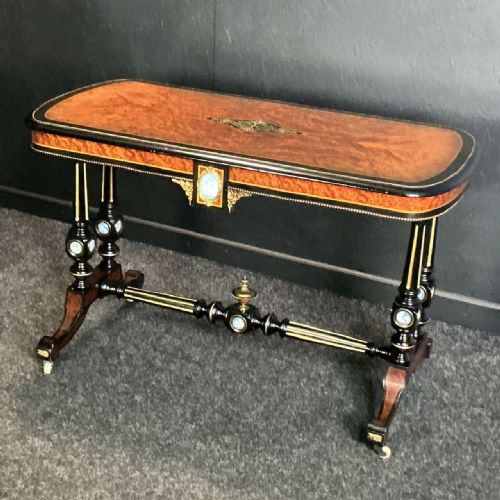
Cabinet makers utilised dense hardwoods such as mahogany, oak, and walnut as the primary structural timbers, occasionally selecting figured veneers and satinwood for decorative contrast. Tops frequently incorporate inset leather writing surfaces or polished timber grains framed by delicate stringing and inlay.
Construction relies on traditional joinery techniques, supporting functional drawers with brass or wooden pulls and sometimes mounting pieces on caster feet. Structural flourishes include ormolu mounts, carved Gothic motifs, and serpentine or bow front profiles.
Listings feature pieces spanning the victorian, edwardian, and regency periods, constructed primarily in mahogany, oak, walnut, and satinwood.
Judging quality in construction
Quality rests upon the selection of timber and the precision of the inlay work, where crisp botanical or geometric lines elevate a simple writing table. Superior examples display careful timber matching across drawer fronts and tops, along with robust internal framing that prevents warping.
The refinement of hardware, from cast brass handles to well-fitted drawer linings, distinguishes finer workshop output from utilitarian furniture. Finer desks also maintain proportion and stability across slender legs and delicate spade feet.
Heal and Son·Gillows·Edward and Roberts
The Edwardian Console Desk Glossary
- Console table
- A table designed to stand against a wall, frequently featuring decorative legs and a shallow surface depth. These pieces often double as small desks or hall tables.
- Demi lune
- A half-moon shape characteristic of table tops and side desks produced during the late nineteenth and early twentieth centuries. This profile allows the furniture to sit flush against a wall while occupying minimal floor space.
- Frieze
- The horizontal band situated directly beneath the table top, commonly housing one or more small storage drawers. Drawers within this section often feature hand-cut dovetail joints.
- Inlay
- A decorative technique where contrasting woods or materials are inserted into recessed cavities on the timber surface. Edwardian pieces frequently utilise satinwood or boxwood stringing for geometric borders.
- Sofa table
- A rectangular occasional table traditionally placed before a sofa, equipped with drop leaves and parallel pedestal supports. Examples in this category often feature multiple small drawers.
Edwardian Console Desk: Frequently Asked Questions
How do I use an edwardian console desk?
These tables function well as compact writing desks in bedrooms or living areas, providing a convenient surface for correspondence and laptop use.
Their shallow depth also makes them suitable for hallways and reception rooms where floor space is limited.
Are these desks suitable for daily work?
Most edwardian console desks accommodate light writing tasks and laptop work comfortably, though storage space remains limited to shallow frieze drawers.
Consider pairing the desk with an appropriately scaled chair to maintain correct writing posture.
How do I identify an edwardian piece?
Look for lighter proportions, mahogany or walnut timbers, and restrained inlay work such as satinwood stringing or spade feet.
Construction details like machine-sawn timber or specific maker labels can also help narrow down the date of manufacture.
What woods are most common?
Mahogany is the predominant timber found in these listings, often appearing alongside figured walnut, oak, and satinwood.
Some pieces incorporate burr walnut veneers or brass mounts to enhance their decorative appeal.