
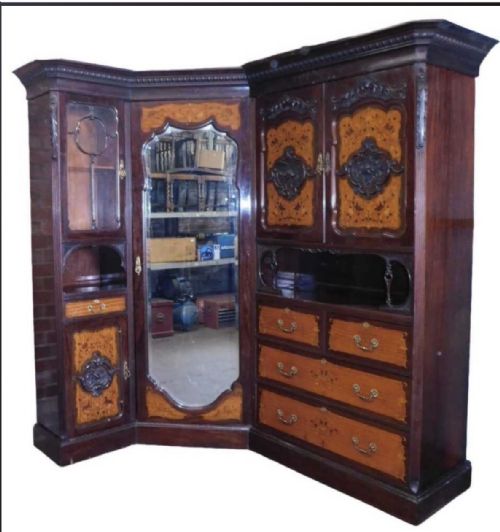
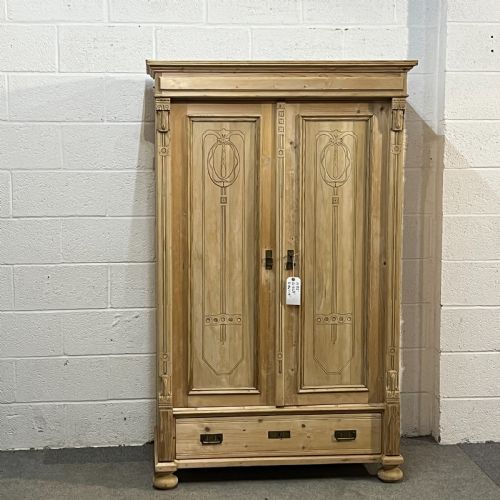


Edwardian Clothes Cabinet
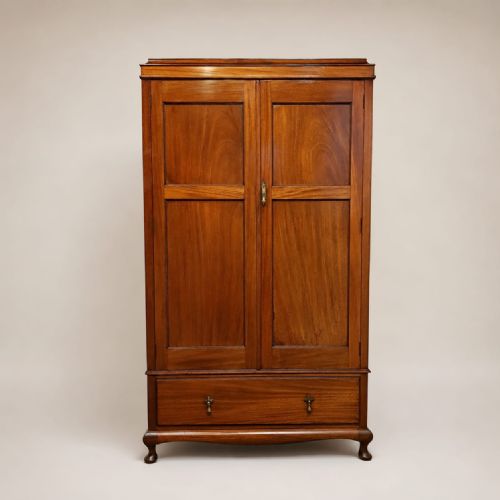
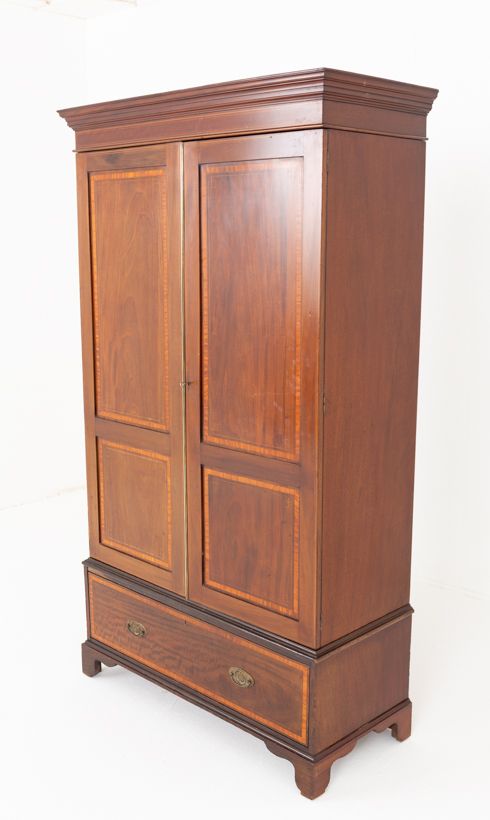
An edwardian clothes cabinet offers capacious bedroom storage, combining polished timber and subtle inlay to anchor a traditional interior.
Edwardian Clothes Cabinet
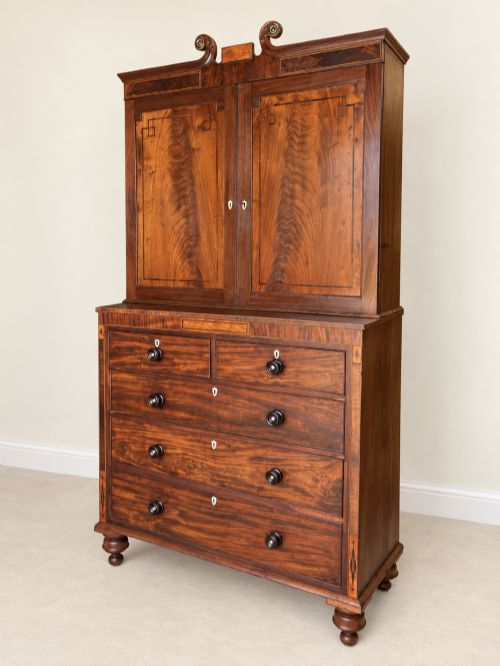
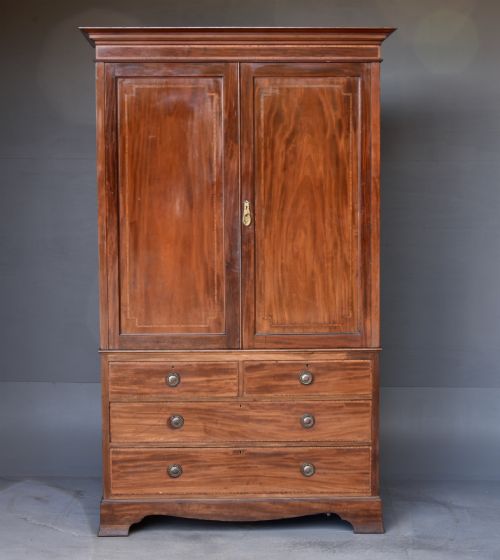
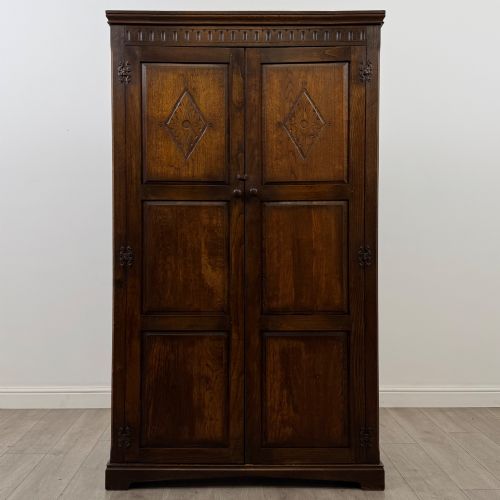
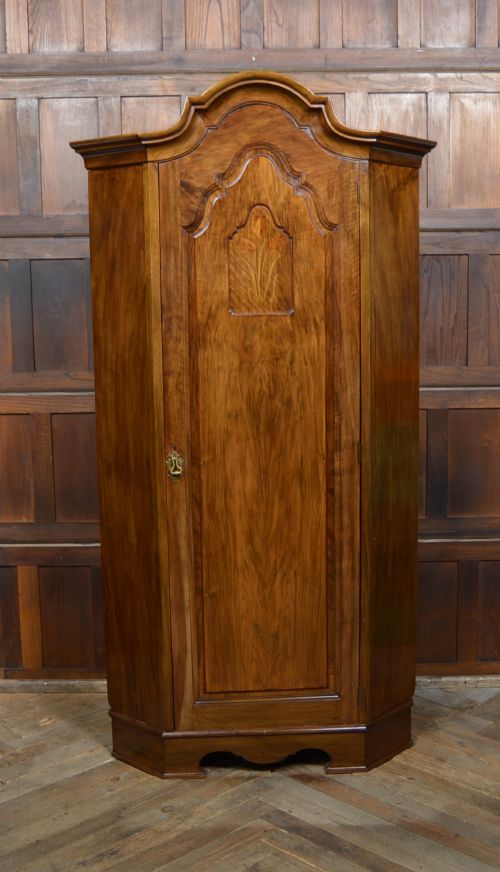
An edwardian clothes cabinet encompasses large wardrobes, compactums, and linen presses designed for domestic garment storage. The pieces meeting this search phrase are predominantly Edwardian or early twentieth-century examples, though Victorian and Georgian cupboards also appear.
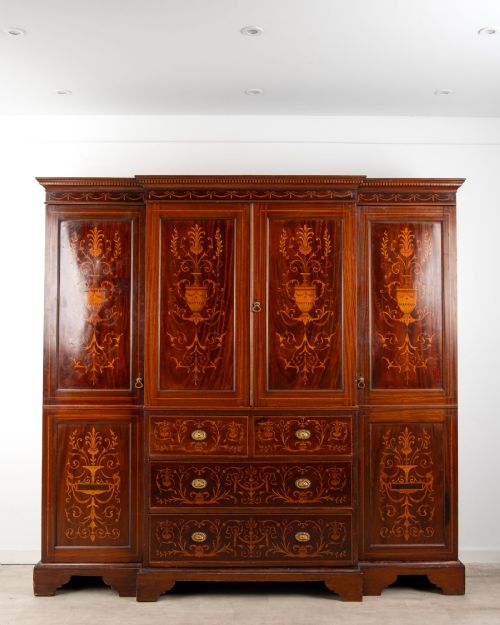
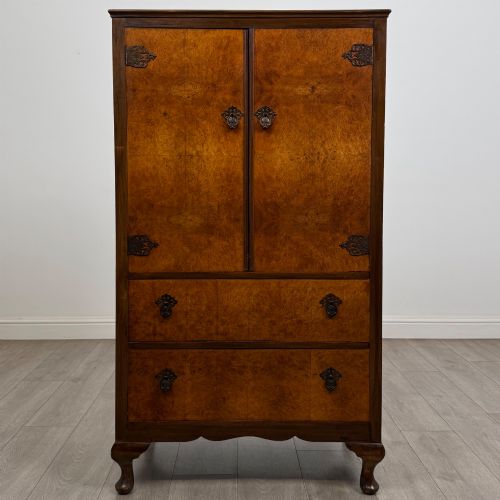
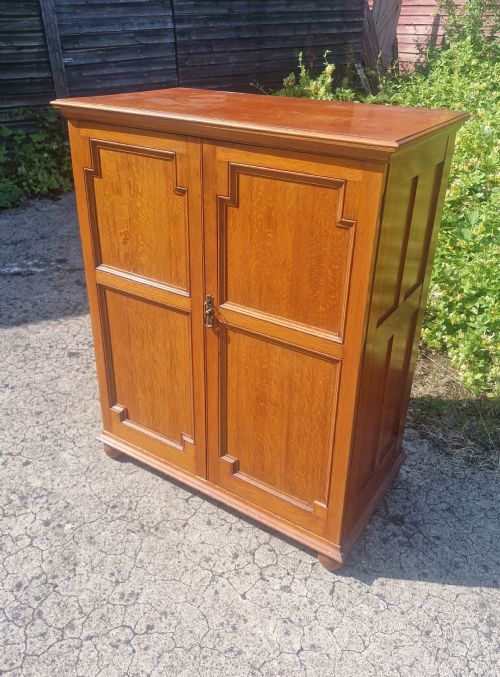
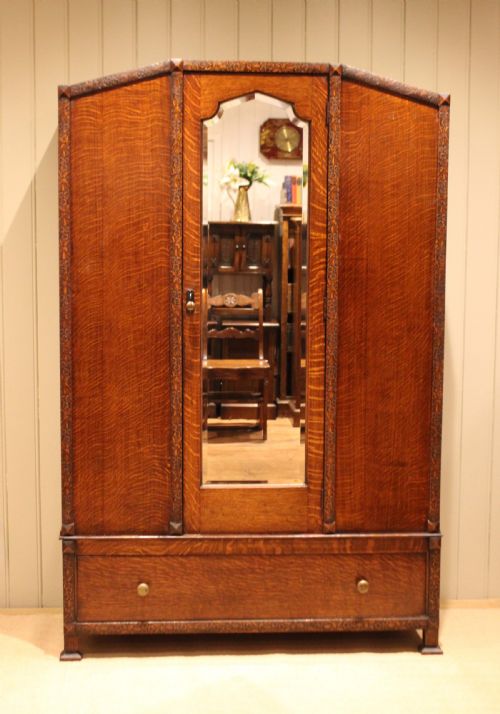
Most entries take the form of double or triple wardrobes in mahogany, oak, or satinwood, often featuring fitted internal drawers and hanging space. Buyers frequently encounter variations like gentleman's wardrobes and compactums that integrate multiple storage formats into a single footprint.
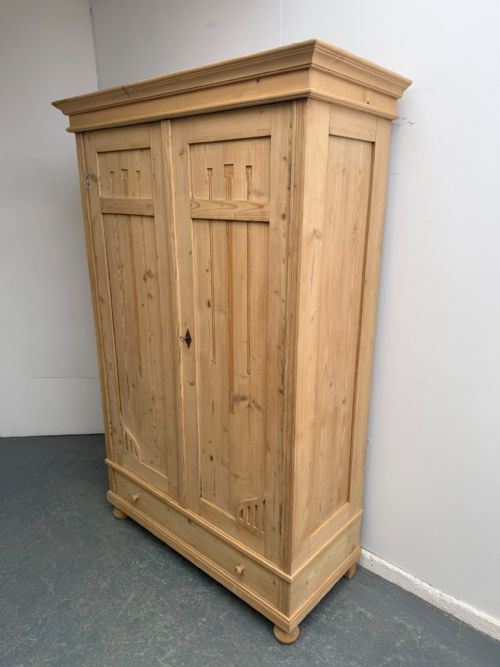
Makers such as Maples and Co, Druce and Co, and Waring and Gillow represent the finer end of these large storage items. Alongside major makers, simpler pine and oak pieces reflect domestic utility from the same eras.
How they were made
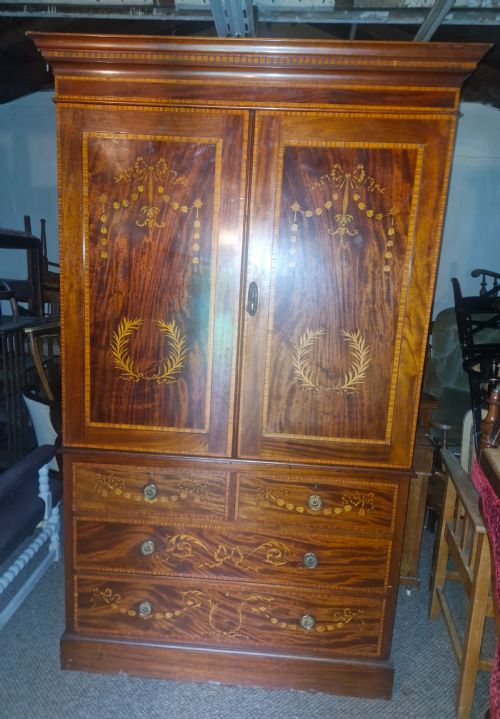
Cabinet makers utilised dense hardwoods including mahogany, walnut, and oak for structural carcasses and panelled doors. Satinwood and boxwood inlay provided delicate contrasting detail, frequently following Sheraton Revival or Edwardian Neo-Classical motifs.
Brass fittings, mirrored glass doors, and iron internal hooks completed the construction of these substantial pieces. Many designs incorporated modular or multi-part assembly to facilitate transport within domestic properties.
What varies in quality
The distinction between standard utility cupboards and exceptional pieces rests upon timber selection and cabinetmaking execution. Finer examples display carefully matched grain patterns, precise boxwood inlay, and branded maker signatures.
Internal configuration also separates basic wardrobes from superior compactums. Multi-drawer arrangements, sliding linen trays, and integrated brass hardware demonstrate the elevated ambition of workshops like Maples and Co.
Maples and Co·Druce and Co·Waring and Gillow
The Edwardian Clothes Cabinet Glossary
- Compactum
- A multi-functional wardrobe featuring a combination of hanging space, drawers, and linen shelves within a single unit. This efficient design maximises bedroom storage.
- Linen press
- A tall cupboard featuring sliding trays or shelves in the upper section above a bank of drawers below. It was traditionally used for storing folded textiles and table linen.
- Satinwood
- A lustrous, yellow-toned timber utilised for fine cabinet veneers and decorative stringing. It gained popularity during the revival styles of the late nineteenth and early twentieth centuries.
- Breakfront
- A piece of furniture where the central section projects forward from the flanking wings. This architectural arrangement creates depth and visual interest on large wardrobes.
- Stringing
- A narrow strip of contrasting wood inlaid into a timber surface to form delicate geometric borders. Boxwood was frequently employed for this decorative technique.
Edwardian Clothes Cabinet: Frequently Asked Questions
What is a compactum wardrobe?
A compactum is a specialised storage piece that combines hanging compartments, linen shelves, and multiple drawers in one cabinet.
This multi-functional layout provides comprehensive clothing storage without requiring separate chests of drawers.
How do I care for polished mahogany?
Maintain polished mahogany surfaces by dusting with a soft dry cloth and applying natural beeswax periodically.
Keep the timber away from direct sunlight and strong heat sources to prevent the wood from drying out.
Where should I place a large wardrobe?
Position large wardrobes against sturdy interior walls away from damp exterior masonry and fluctuating temperatures.
Ensure the room has sufficient ceiling height and clearance for doors to open fully.
How do I distinguish Edwardian from Victorian styles?
Edwardian furniture generally exhibits lighter timbers, simpler lines, and delicate inlay inspired by neoclassical motifs.
Victorian pieces tend to be heavier in scale, utilising darker mahogany or walnut with more robust carvings.