
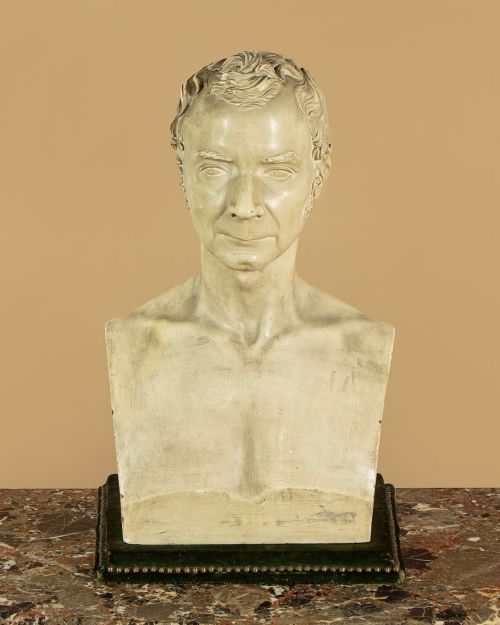


Edwardian Classical Bust Sculpture
These edwardian classical bust sculpture pieces bring academic realism and stately charm into a room, offering timeless portraiture carved from marble or cast in plaster.
Edwardian Classical Bust Sculpture
The most common examples encountered here are plaster and alabaster portraits, alongside bronze and terracotta figures. These sculptural works celebrate human form and character, reflecting the aesthetic preferences of the Edwardian era and the Victorian period.
How they were made
Sculptors utilised traditional materials such as marble, alabaster and stone, carving directly to achieve smooth facial contours and draped garments. Bronze casting captured intricate details for figures mounted upon marble bases, while terracotta offered a warm, moulded medium for portraiture.
Plaster was frequently cast from original models and finished with paint to emulate heavier stone or metal surfaces. Some works combined media, incorporating materials like ormolu alongside carved marble to highlight specific decorative elements.
Listings feature periods spanning from the mid nineteenth century through the Edwardian era into the early twentieth century, rendered in marble, plaster, alabaster, bronze and terracotta.
What varies in quality
The finesse of the carving or casting defines the upper tier of these sculptures, where facial expressions and hair textures display remarkable precision. Subtle handling of the material distinguishes master works from simpler studio productions.
The choice of medium also influences the character of the piece, with dense carved marble and heavy cast bronze commanding a different presence than painted plaster. Integrity of the material and the sophistication of the classical revival style determine overall distinction.
Giuseppe Moretti·HL Blasche·Reps and Trinte
The Edwardian Classical Bust Sculpture Glossary
- Academic realism
- A style of painting and sculpture produced under the influence of European academies of art, emphasising lifelike accuracy and classical proportions. This approach ensures anatomical precision in portraiture.
- Alabaster
- A fine-grained, translucent stone frequently used for carving classical sculptures and decorative items. Its softness allows for delicate detail work.
- Ormolu
- Gilded bronze used as a decorative mount or accent on sculptural bases and furniture. It adds a metallic contrast to stone and marble.
- Terracotta
- Baked clay used for sculptural figures, often left in its natural reddish-brown earth tone or painted. It provides a durable medium for modelled portraits.
- Classical revival
- An artistic movement drawing inspiration from the art and architecture of ancient Greece and Rome. Sculptures in this style often depict historical figures or idealized subjects.
Edwardian Classical Bust Sculpture: Frequently Asked Questions
What is an edwardian classical bust sculpture?
An edwardian classical bust sculpture is a three-dimensional portrait depicting the head, neck and upper chest of a subject. These pieces draw upon classical revival traditions and academic realism.
They reflect the artistic tastes of the nineteenth and early twentieth centuries, utilising materials like marble, bronze, alabaster and plaster to capture human likeness.
How were these portrait busts displayed?
These sculptures were traditionally placed on pedestals, mantelpieces, or library tables in formal rooms. Their presence added an air of scholarly dignity and classical refinement to domestic interiors.
Heavier pieces often required sturdy marble bases or wooden supports to display the artwork safely within a home.
What materials are most common?
Plaster and alabaster appear frequently among these portrait sculptures, offering varied textures and weights. Bronze and terracotta are also utilised for cast and modelled figures.
Marble remains a prominent medium, valued for its smooth finish and association with classical antiquity.
How do I care for a plaster bust?
Plaster requires gentle dusting with a soft, dry brush to avoid damaging the painted or sealed surface. Moisture should be kept away from plaster and terracotta to prevent surface deterioration.
Displaying these sculptures away from direct sunlight and humidity helps preserve their original finish over time.