



Edwardian Cigar Accessories
Edwardian cigar accessories are smoking paraphernalia designed for gentlemanly leisure, offering tangible links to the refined tobacco rituals of the early twentieth century.
Edwardian Cigar Accessories
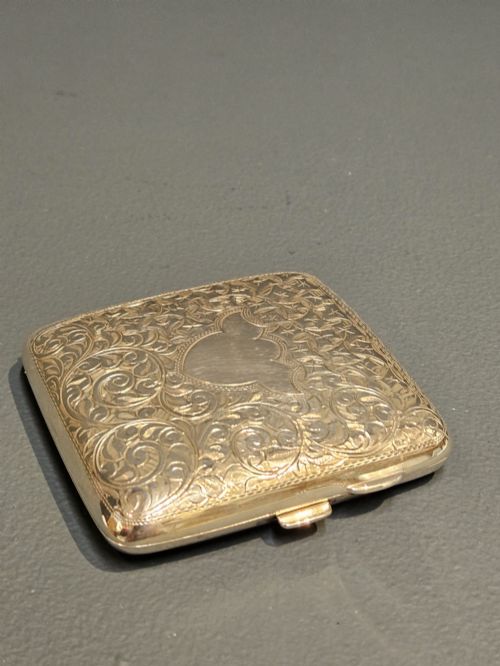
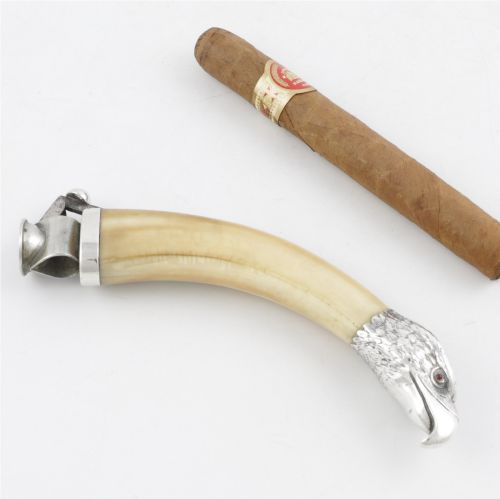
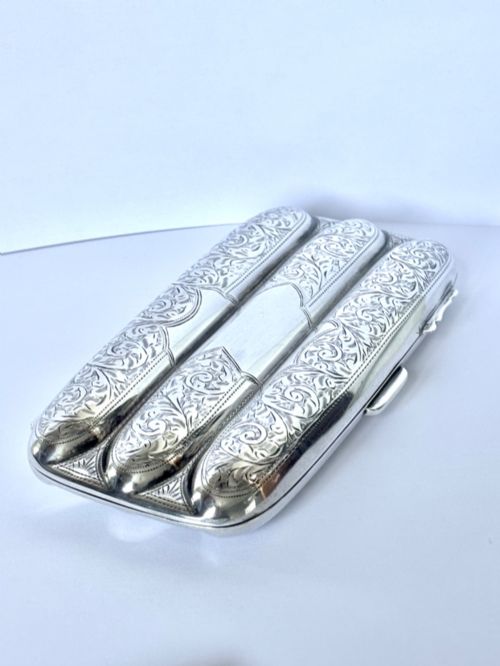
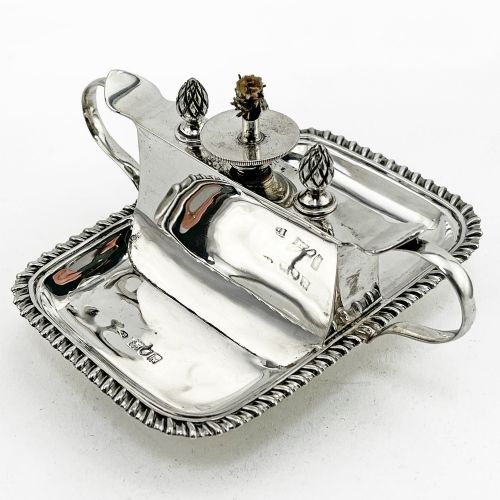
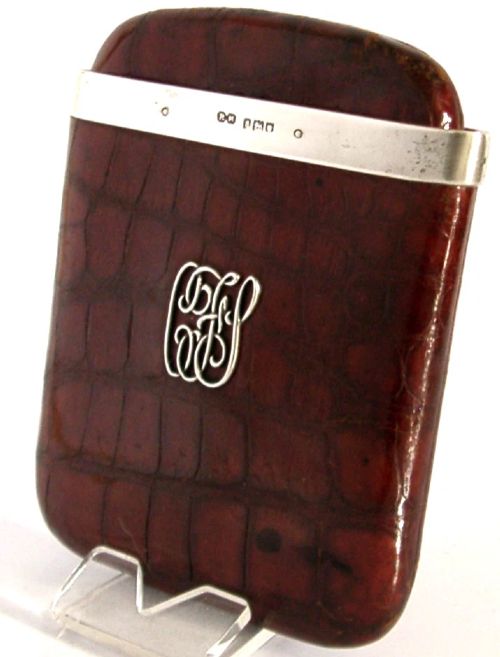
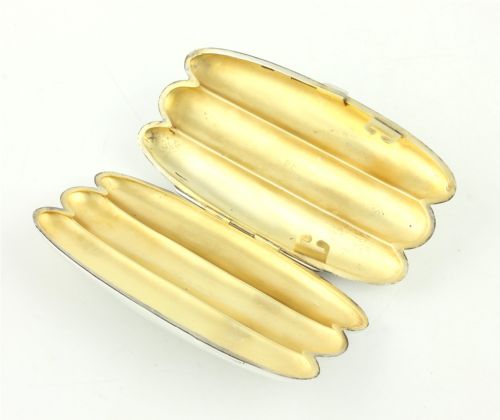
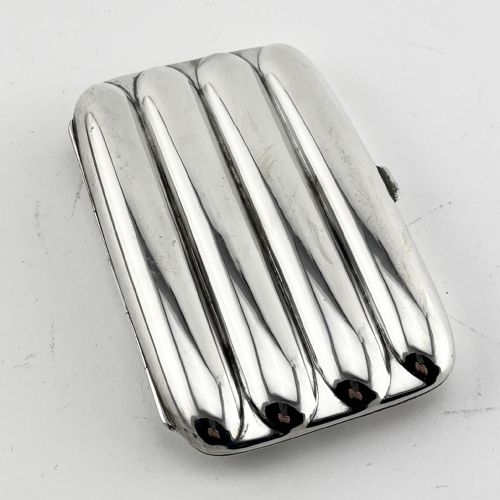
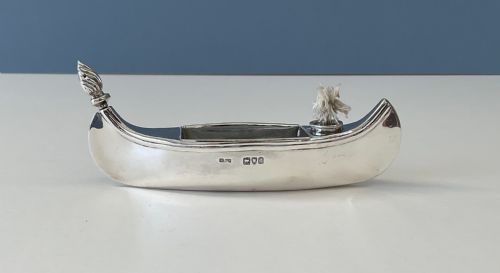
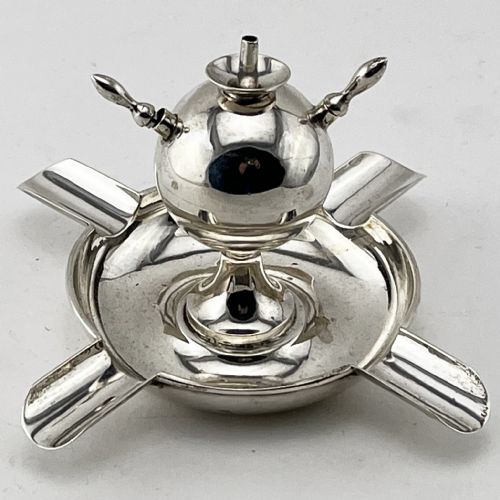
Edwardian cigar accessories encompass a diverse range of functional items intended for storage, ignition, and personal carriage of tobacco. When exploring edwardian cigar accessories, buyers encounter portable pocket cases alongside substantial stationary pieces designed for the gentleman's study or smoking room.
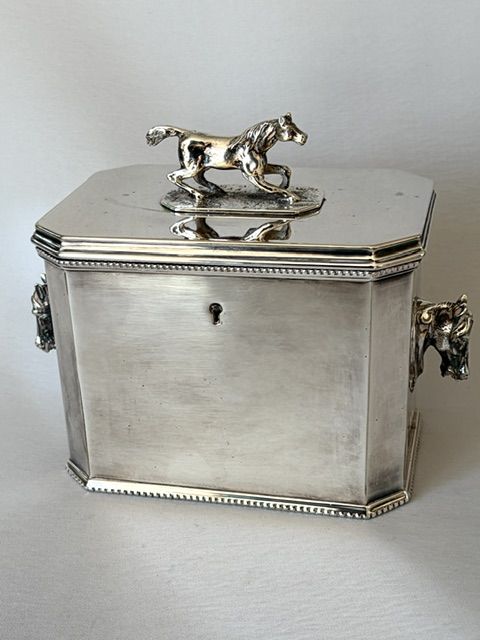
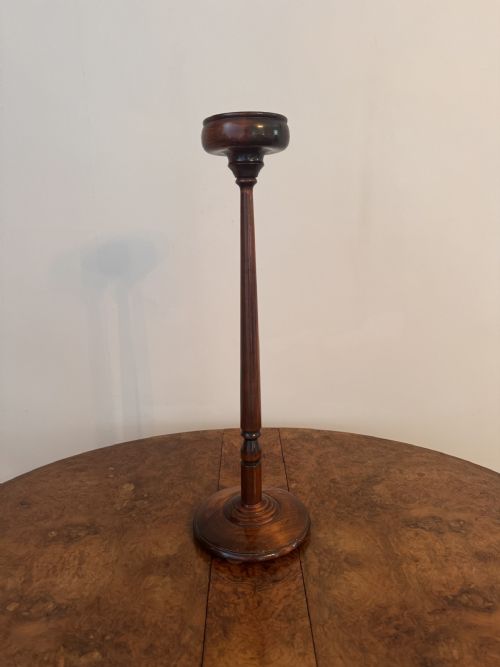
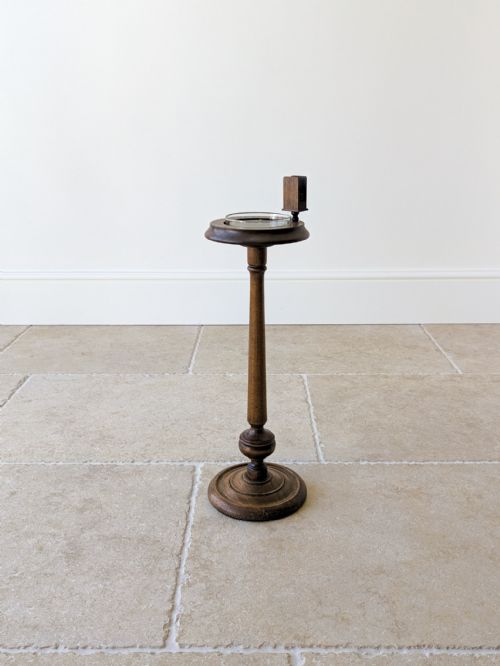
The objects span varied domestic forms including table lighters modelled as classical lamps and novelty animals, compartmentalised boxes, floor-standing smoking stands, and fitted cheroot holders. While Edwardian examples predominate, related pieces extend into the late Victorian and early Art Deco periods.
Materials range from precious metals and plated wares to fine timbers such as mahogany and burr walnut, alongside leather, glass, and carved meerschaum. These functional implements reflect the elaborate social rituals surrounding tobacco consumption during the period.
Materials and Construction
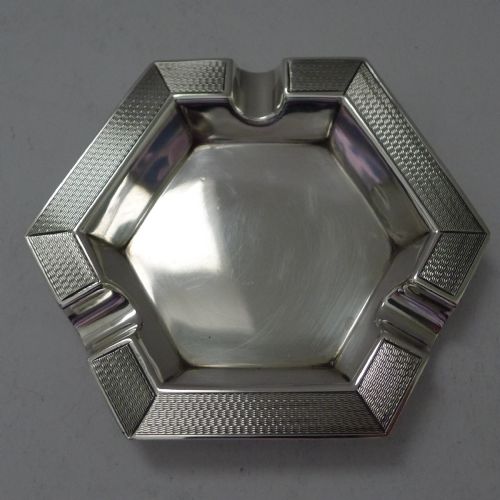
Metals form the structural foundation for many pieces, utilising solid sterling silver and silver plate shaped through casting, stamping, and smithing techniques. Silversmiths employed detailed chasing and engraving to articulate decorative motifs, ranging from Neoclassical revival patterns to whimsical novelty animal figures.
Organic and natural materials contribute distinct tactile qualities, featuring crocodile skin leather, amber, carved meerschaum, and fitted glass inserts. Cabinetmakers constructed smoking stands and desktop boxes from dense hardwoods like mahogany and burr walnut, incorporating secure locks and compartmentalised interiors.
Edwardian Cigar Accessories Retail Price Guide 2026
Typical asking prices for edwardian cigar accessories among the pieces listed under this phrase on Sellingantiques today, from the lower quarter to the upper quarter. They describe what is for sale here now, not the wider market.
Craftsmanship and Distinction
Quality rests upon the crispness of detail in cast metalwork and the precision of mechanical elements such as hinged lids, clasps, and table lighter mechanisms. Finer examples display deliberate weight in solid silver or substantial timber construction, avoiding thin gauge plating or superficial assembly.
Unusual forms and sculptural novelty designs command greater interest than standard utilitarian shapes, particularly when attributed to documented makers or specific silversmithing workshops. The integrity of internal fittings, original fitted cases, and well-preserved natural materials further distinguish superior items.
William Neale·John Grinsell And Sons·Joseph Braham·Comyns
The Edwardian Cigar Accessories Glossary
- Cheroot holder
- A short mouthpiece designed to hold a small cheroot during smoking, often fashioned from amber or meerschaum with precious metal mounts. These personal accessories frequently survive inside custom-fitted leather cases.
- Meerschaum
- A soft, white mineral carved into intricate decorative bowl forms for pipes and cheroot holders, prized for its ability to absorb nicotine and colour gradually with use. The material allows for high-relief sculptural carving.
- Smoking compendium
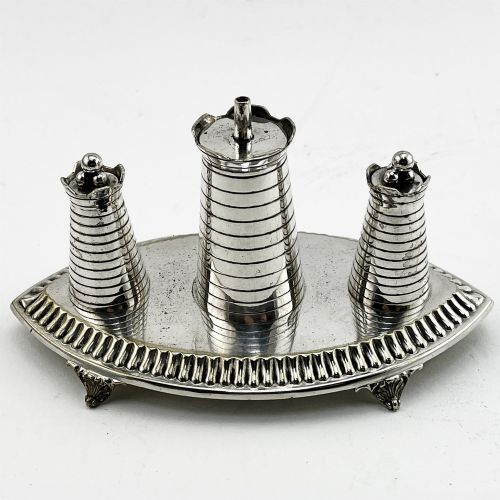
- A comprehensive tabletop ensemble combining multiple smoking requirements such as lighters, ashtrays, and storage compartments within a single unified display piece. These were prominent fixtures in Edwardian smoking rooms.
- Tobacciana
- An umbrella term encompassing all antiques and collectables associated with the consumption, storage, and preparation of tobacco. This field spans utilitarian containers through to elaborate domestic display objects.
- Table lighter
- A stationary mechanical ignition device intended to remain on a desk or table, frequently styled as a classical oil lamp, novelty animal, or architectural model. They operate using fluid fuel reserves and internal wick assemblies.
Edwardian Cigar Accessories: Frequently Asked Questions
What are edwardian cigar accessories?
Edwardian cigar accessories are functional objects created to store, light, and transport cigars and cheroots during the early twentieth century. They include portable pocket cases, desktop boxes, table lighters, and smoking stands.
These pieces were essential components of formal smoking etiquette and masculine domestic spaces. They combine practical utility with the decorative tastes of the Edwardian era.
How were table lighters used?
Table lighters served as permanent stationary ignition sources in studies, smoking rooms, and drawing rooms. Guests and hosts would use them to light cigars without relying on matches.
Many were designed as decorative conversation pieces, taking the shape of classical oil lamps, historical vessels, or novelty animals. They relied on fluid fuel reservoirs and manual wicks.
What materials are common?
Sterling silver and silver plate are the most frequently encountered metals, often paired with glass inserts or leather exteriors. Timbers such as mahogany and burr walnut appear in larger stationary boxes and floor-standing stands.
Personal items incorporate organic materials like amber, crocodile skin leather, and carved meerschaum. Gold accents occasionally highlight high-end personal accessories like cheroot holders.
How do I distinguish periods?
Differentiating periods relies on observing stylistic markers, hallmarks, and construction techniques. Edwardian pieces often favour light Neoclassical revival motifs or whimsical naturalism, while Victorian examples lean toward heavier ornamentation and novelties.
Silver items carry hallmarks that provide precise assay office marks and date letters. Comparing these official stamps with known stylistic shifts helps confirm the era of manufacture.
Can these pieces still be used?
Many boxes, cases, and stands remain entirely functional for modern use, offering secure storage and practical organisation for cigars. Mechanical items like table lighters require careful inspection and professional servicing before attempting to use fuel.
Most collectors choose to preserve delicate materials like antique meerschaum and aged leather as display objects. Their structural integrity varies depending on past care and original construction quality.