





Edwardian Child Portrait Painting
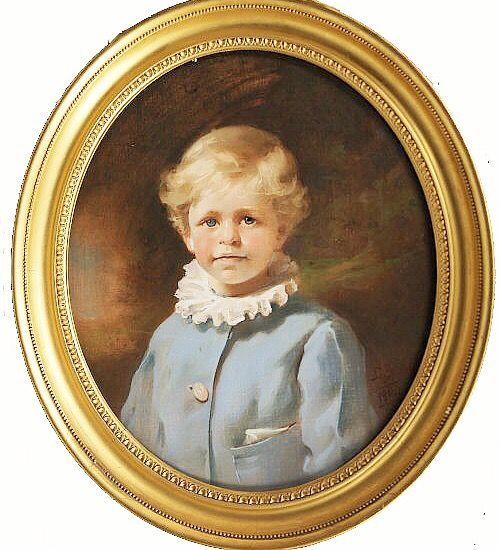
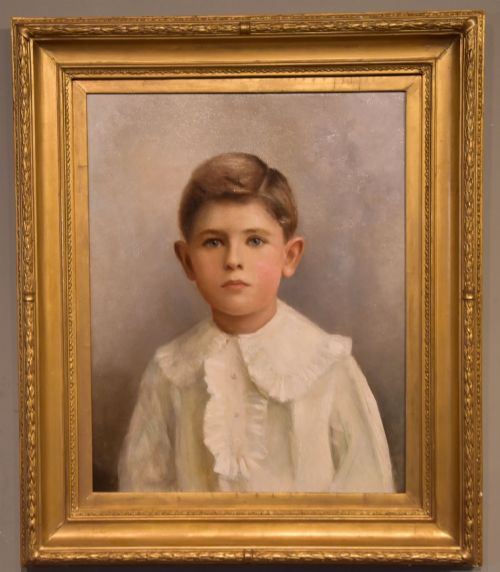
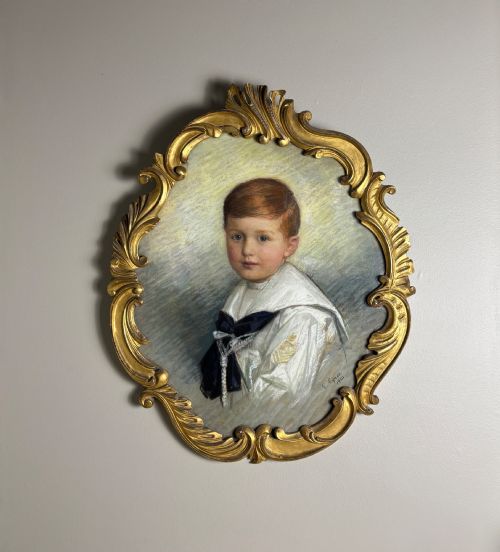
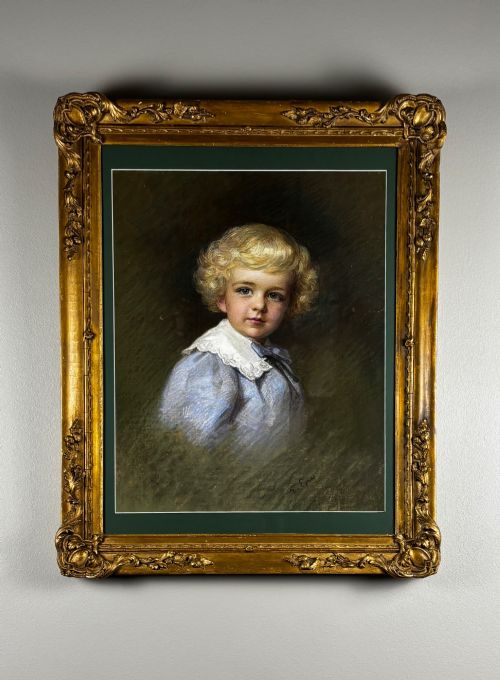
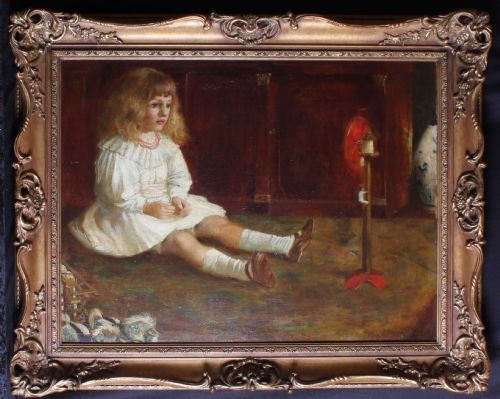
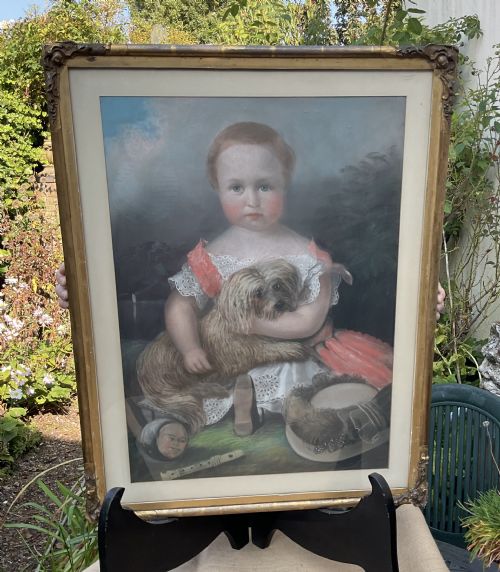
An edwardian child portrait painting captures youth with direct charm, offering collectors intimate glimpses into past lives through skilled brushwork and pastel application.
Edwardian Child Portrait Painting
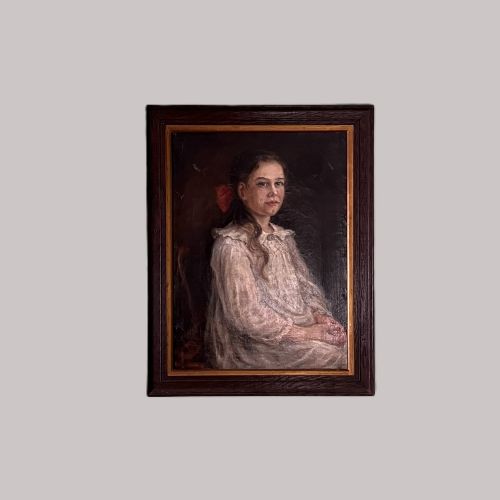
An edwardian child portrait painting brings together works from the Edwardian era, alongside related pieces spanning the Victorian period up to the early twentieth century. Buyers seeking an edwardian child portrait painting will encounter framed oils, watercolours, and pastels depicting young subjects in domestic or coastal settings.
Most pieces on show originate from around nineteen hundred to nineteen twenty, utilising traditional supports such as canvas, paper, and wood panels. These works range from tightly finished likenesses to more impressionistic interior scenes.
Materials and techniques
Artists working in this genre relied primarily on oil on canvas or delicate pastel applied to paper, mounted behind glass for protection. Supports often sit within period giltwood or gilt wood frames that complement the tones of the artwork.
Watercolour also appears frequently, capturing translucent light in domestic interiors and outdoor views. Pigments were handled with varying degrees of finish, from smooth academic blending to energetic impressionistic brushstrokes.
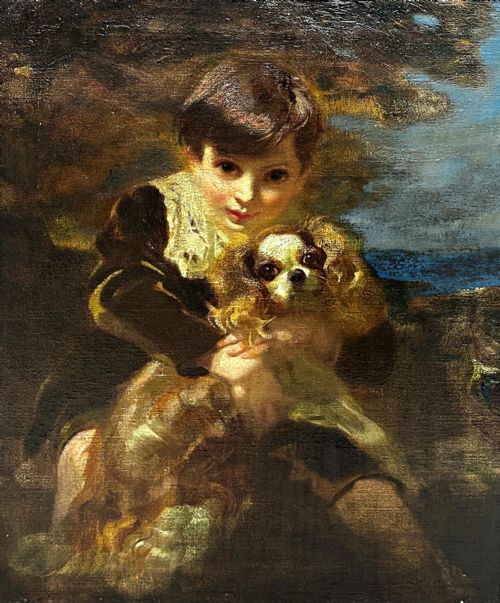
One young subject appears proudly holding a Cavalier King Charles Spaniel, proving that pampered pets stole the show even a century ago.
Assessing quality and execution
The condition of the medium also dictates worth, particularly with pastels where pigment loss on paper affects visual impact. Original period framing in giltwood adds significantly to the integrity of the piece.
Emily Eyres·Leon Sprinck·Henry Windsor Fry·Arthur Percy Dixon·Byam Shaw·Robert Eadie·Frank Owen Salisbury·Harold Arthur Burke·John Mc Ghie·William Orpen·Karl Feiertag·William Lee Hankey·Harry John Pearson
The Edwardian Child Portrait Painting Glossary
- Pastel
- A dry painting medium consisting of powdered pigment and a binder, frequently used on paper for soft portraits. It requires protection beneath glass to prevent smudging.
- Giltwood
- Wood carved and covered with a thin layer of gold leaf, commonly used for period picture frames. This finish ages to a warm, mellow tone.
- Impressionism
- A style of painting emphasising light and visible brushstrokes rather than detailed finish. British practitioners applied these principles to domestic portraiture.
- Watercolour
- Pigments ground in a water-soluble binder, painted onto paper to create translucent washes. It allows for rapid, expressive execution.
- Provenance
- The documented history of ownership surrounding a work of art. It helps establish attribution and authenticity.
Edwardian Child Portrait Painting: Frequently Asked Questions
How do I date these portraits?
Dating relies on costume details, hairstyles, and artist signatures where available. Clothing styles such as sailor suits or specific dresses often provide a clear decade marker.
Framing materials and backing boards also offer clues, as original giltwood frames frequently match the period of the canvas.
Are pastels fragile to own?
Pastels require secure framing under glass to protect the pigment from touch and atmospheric moisture. Keeping them away from direct sunlight prevents fading of delicate pigments.
When properly glazed and sealed, pastel works remain stable over generations.
How should I display them?
These works suit traditional reception rooms, studies, or hallways where lighting can be controlled. Pairing smaller works together creates a cohesive gallery effect.
Avoid hanging pieces in rooms with high humidity or fluctuating temperatures to protect canvas and paper supports.